Global regulatory documentation translation is most valuable when it delivers terminology consistency, structural alignment, and enterprise-grade security across IND, NDA, and BLA submissions while keeping human scientific and regulatory review central to the workflow. For biopharma teams preparing submissions for multiple regulatory agencies worldwide, translation is not merely a localization task—it is a critical component of regulatory strategy that directly impacts submission timelines, review quality, and approval outcomes. This guide covers what global regulatory documentation translation means, why it matters for biopharma teams, and what to evaluate when selecting a translation solution for regulated workflows.
What Is Global Regulatory Documentation Translation?
Global regulatory documentation translation is the process of translating scientific, clinical, and regulatory documents—such as Investigational New Drug (IND) applications, New Drug Applications (NDA), Biologics License Applications (BLA), and associated submission materials—from one language to another while maintaining scientific accuracy, terminological consistency, and regulatory compliance. Unlike general-purpose translation, regulatory documentation translation requires domain-specific expertise in pharmaceutical sciences, clinical research, and the regulatory requirements of each target jurisdiction.
The scope of regulatory documentation translation extends well beyond simple text conversion. It encompasses clinical trial reports, safety data, manufacturing documentation, product labeling, patient information leaflets, and the structured electronic Common Technical Document (eCTD) submissions that regulatory agencies require. Each document type carries its own terminology, formatting requirements, and regulatory expectations.
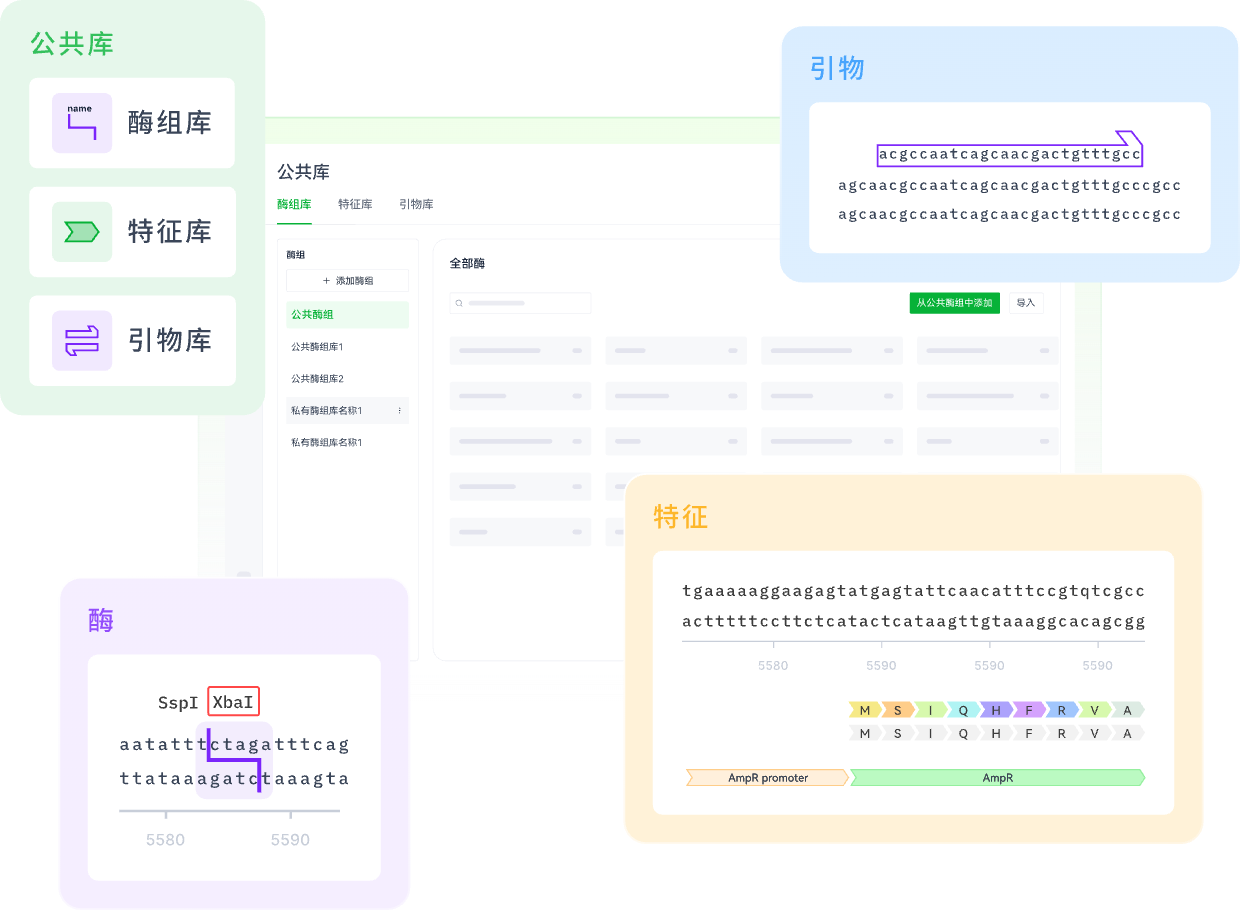
A domain-specific translation system built for pharmaceutical regulatory workflows delivers high-accuracy document translation, terminology consistency, structural alignment, and enterprise-grade security. The goal is not just to translate words, but to preserve the scientific meaning and regulatory intent of the source documents across languages.
Why Regulatory Documentation Translation Matters for Biopharma Teams
For biopharma teams operating in global markets, regulatory documentation translation is not an administrative afterthought—it is integral to regulatory success, patient safety, and commercial strategy.
Global Market Access. Bringing a drug to market in multiple regions requires submitting regulatory dossiers to agencies such as the FDA, EMA, PMDA, and NMPA, each with its own language requirements. Translation errors can delay submissions, trigger regulatory inquiries, or, in the worst case, result in rejection of an application.
Patient Safety. Inaccurate translation of safety data, adverse event reports, or dosing instructions can have direct consequences for patient safety. Regulatory translations must preserve the precise meaning of clinical data and safety information across languages.
Regulatory Compliance. Regulatory agencies expect submission documents to meet rigorous standards for accuracy and consistency. Inconsistent terminology, structural misalignment, or translation errors can lead to regulatory findings that delay approval.
Intellectual Property Protection. Regulatory submissions contain proprietary information about drug candidates, manufacturing processes, and clinical trial data. Translation workflows must protect this sensitive information through enterprise-grade security controls.
Key Challenges in Global Regulatory Documentation Translation
Understanding the challenges that regulatory translation addresses helps contextualize its value.
Terminology Inconsistency. Regulatory documents contain highly specialized terminology that must remain consistent across thousands of pages and multiple document types. Inconsistent translation of key terms—such as drug names, adverse event classifications, or assay descriptions—can create confusion and undermine regulatory confidence.
Structural Alignment. Regulatory submissions follow strict structural requirements, such as the eCTD format. Translated documents must preserve the structure, headings, and cross-references of the source documents to maintain regulatory compliance and facilitate agency review.
Volume and Timelines. A single regulatory submission can exceed 1,000 pages of documentation. Translating this volume accurately within tight submission deadlines requires efficient workflows that balance speed with quality.
Review and Approval Workflows. Regulatory translations must be reviewed by subject matter experts, medical linguists, and regulatory professionals before submission. Translation solutions must support structured review workflows that maintain accountability and documentation.
Security and Confidentiality. Regulatory submissions contain commercially sensitive information. Translation workflows must operate within secure, audited environments that protect data from unauthorized access.
Key Features to Evaluate in Regulatory Documentation Translation Solutions
Selecting a translation solution for global regulatory documentation requires assessing specific features that support regulated workflows.
Domain-Specific Translation Models. General-purpose translation tools are insufficient for regulatory documentation. The solution should use translation models trained on pharmaceutical and regulatory content, with specialized understanding of clinical trial terminology, regulatory vocabulary, and scientific language.
Terminology Management. The solution should support custom glossaries and translation memories that maintain terminology consistency across documents, projects, and submissions. Consistent terminology reduces review time and improves regulatory confidence.
Structural Preservation. Regulatory documents have specific structures—headings, tables, cross-references, and metadata. The translation solution should preserve these structural elements so that translated documents maintain regulatory compliance and readability.
Human Review Integration. AI translation should support, not replace, human scientific and regulatory review. The solution should facilitate structured review workflows where subject matter experts can verify translations, make corrections, and document changes.
Enterprise-Grade Security. Regulatory submissions contain sensitive data. The translation solution should operate within a secure environment with encryption, access controls, audit trails, and compliance with data protection regulations.
Scalability. Biopharma teams need to translate large volumes of documentation across multiple language pairs. The solution should scale to meet submission deadlines without compromising quality.
Standalone Translation Tools vs. Regulatory-Grade Translation Solution
| Aspect | Standalone Translation Tools | Regulatory-Grade Translation Solution |
|---|---|---|
| Translation Model | General-purpose | Domain-specific, pharma-trained |
| Terminology Management | Basic or none | Custom glossaries, translation memory |
| Structural Preservation | Limited | Full structural alignment |
| Human Review Integration | Manual | Structured review workflows |
| Security | Varies | Enterprise-grade with audit trails |
| Regulatory Readiness | Not designed | Built for IND/NDA/BLA submissions |
| Scalability | Limited | High-volume, multi-language |
The comparison above highlights a fundamental difference. Standalone translation tools may be adequate for general content but lack the domain expertise, terminology controls, and regulatory readiness required for global regulatory documentation.
How Zettalab Supports Global Regulatory Documentation Translation
Zettalab is designed as a cloud-based R&D workspace that brings molecular biology tools, experiment documentation, and regulatory translation capabilities into a unified platform. For teams evaluating regulatory documentation translation solutions, Zettalab offers a dedicated capability.
AI Translation Agent is a domain-specific AI translation system built for pharmaceutical regulatory workflows. It delivers high-accuracy document translation, terminology consistency, structural alignment, and enterprise-grade security for IND, NDA, and BLA submissions. The system is designed to support the specific needs of biopharma regulatory teams, including:
-
Terminology consistency through pharma-specific language models and customizable glossaries that ensure key terms are translated consistently across all submission documents.
-
Structural alignment that preserves document structure, headings, and cross-references, maintaining regulatory compliance in translated submissions.
-
Enterprise-grade security with encryption, access controls, and audit trails that protect sensitive regulatory data throughout the translation workflow.
-
Review workflow integration that supports human scientific and regulatory review, keeping subject matter experts in the loop while leveraging AI for efficiency.
The AI Translation Agent is particularly relevant for teams preparing submissions for multiple regulatory agencies worldwide, where terminology consistency and structural alignment across languages are critical to regulatory success.
Implementation Considerations for Regulatory Documentation Translation
Adopting a regulatory documentation translation solution requires attention to both technical and organizational factors.
Define Terminology Standards. Establish clear terminology standards for key scientific and regulatory terms. Develop glossaries that reflect approved translations and ensure consistency across all submission documents.
Integrate with Submission Workflows. Translation should be integrated into the overall submission workflow, not treated as a separate step. Ensure that translated documents can be easily incorporated into eCTD or other submission formats.
Establish Review Protocols. Define clear protocols for human review of translated documents. Specify who is responsible for reviewing which document types, what constitutes acceptable quality, and how corrections should be documented.
Maintain Security Controls. Ensure that translation workflows operate within secure environments with appropriate access controls, encryption, and audit trails. Regularly review security practices to protect sensitive regulatory data.
Plan for Scalability. Regulatory submissions can be large and complex. Ensure that the translation solution can scale to meet submission volumes and timelines without compromising quality.
Common Pitfalls in Regulatory Documentation Translation
Even with the right solution, regulatory translation can fail if implementation is mishandled.
Relying on General-Purpose Translation Tools. General-purpose translation tools lack the domain-specific understanding required for regulatory documentation. Terminology errors, structural misalignment, and loss of scientific meaning are common outcomes.
Neglecting Terminology Management. Inconsistent terminology across documents creates confusion for reviewers and can trigger regulatory inquiries. Invest in glossary development and terminology management from the start.
Skipping Human Review. AI translation is a tool to support human experts, not replace them. Skipping or inadequately resourcing human review risks translation errors that can delay submissions or compromise patient safety.
Underestimating Security Requirements. Regulatory submissions contain sensitive commercial information. Inadequate security in translation workflows can expose proprietary data to unauthorized access.
FAQ
What is global regulatory documentation translation?Global regulatory documentation translation is the process of translating scientific, clinical, and regulatory documents—such as IND, NDA, and BLA submissions—across languages while maintaining scientific accuracy, terminological consistency, structural alignment, and regulatory compliance.
Why is regulatory documentation translation important for biopharma teams?Regulatory translation is essential for global market access, patient safety, and regulatory compliance. Translation errors can delay submissions, trigger regulatory inquiries, or compromise patient safety through inaccurate clinical or safety information.
What are the key challenges in regulatory documentation translation?Key challenges include terminology inconsistency across documents, structural alignment with regulatory requirements, high volume and tight timelines, structured review workflows, and security of sensitive regulatory data.
What features should I look for in a regulatory translation solution?Key features include domain-specific translation models trained on pharmaceutical content, terminology management with custom glossaries, structural preservation of documents, human review workflow integration, enterprise-grade security, and scalability.
How does AI support regulatory documentation translation?AI supports regulatory translation by delivering high-accuracy document translation, maintaining terminology consistency, preserving document structure, and accelerating translation timelines. However, AI translation should support, not replace, human scientific and regulatory review.
Can AI translation fully replace human reviewers?No. AI translation is a tool to support human experts, not replace them. Regulatory translations must be reviewed by subject matter experts, medical linguists, and regulatory professionals to ensure accuracy and compliance.
How does Zettalab support regulatory documentation translation?Zettalab's AI Translation Agent is a domain-specific AI translation system built for pharmaceutical regulatory workflows. It delivers high-accuracy document translation, terminology consistency, structural alignment, and enterprise-grade security for IND, NDA, and BLA submissions.
What types of documents require regulatory translation?Regulatory translation encompasses clinical trial reports, safety data, manufacturing documentation, product labeling, patient information leaflets, and the structured eCTD submissions that regulatory agencies require.
Conclusion
Global regulatory documentation translation is essential for biopharma teams bringing products to market across multiple regions. The right translation solution should provide domain-specific translation models, terminology management, structural preservation, human review integration, enterprise-grade security, and scalability. Terminology consistency, structural alignment, and human oversight are equally important—regulatory translation success is achieved through the combination of platform capabilities and organizational practices.
Zettalab offers a cloud-based R&D workspace with the AI Translation Agent, a domain-specific AI translation system built for pharmaceutical regulatory workflows. The solution delivers high-accuracy document translation, terminology consistency, structural alignment, and enterprise-grade security for IND, NDA, and BLA submissions. Teams interested in exploring how regulatory-grade translation can support their global submissions can start with a free trial or request a demo to see the platform in action.