Can AI-Driven Primer Analysis Software Redefine PCR Success Rates?
Why Primer Design Still Determines PCR Success
Every polymerase chain reaction begins with a single question: will the primers work? Despite decades of methodological refinement, poorly designed primers remain the leading cause of PCR failure in both research and clinical laboratories. Off-target binding, secondary structures, and suboptimal melting temperatures waste reagents, delay timelines, and erode confidence in downstream results.
The traditional approach—manual sequence inspection followed by trial-and-error bench validation—no longer scales with the demands of modern molecular biology. As genomic datasets grow and experimental complexity increases, laboratories need a more systematic way to evaluate primer candidates before they ever reach the thermocycler.
The Shift Toward AI-Driven Primer Analysis
Artificial intelligence is reshaping how researchers approach primer design and validation. Rather than relying on static thermodynamic calculations alone, modern primer analysis software integrates machine learning models trained on millions of experimentally validated primer pairs. These platforms predict not just binding affinity but the entire experimental context: template secondary structure, GC clamp stability, primer-dimer probability, and amplicon specificity.
This shift moves primer analysis from a reactive troubleshooting step to a proactive design phase. Researchers can evaluate dozens of candidate pairs in minutes, flagging potential failure modes before committing to synthesis. The result is a measurable reduction in experimental iteration cycles.
Key Capabilities of Modern Primer Analysis Tools
| Feature | Traditional Tools | AI-Enhanced Platforms |
|---|---|---|
| Specificity Checking | Basic BLAST alignment | Genome-wide off-target prediction with scoring |
| Melting Temperature | Salt-adjusted formula | Neural network prediction with nearest-neighbor accuracy |
| Secondary Structure | Simple hairpin detection | Full folding simulation across temperature gradients |
| Primer-Dimer Risk | 3' complementarity check | Multi-body interaction modeling |
| Amplicon Design | Manual length selection | Context-aware optimization for downstream applications |
Redefining "Dry Lab" Standards for Biomolecular Research
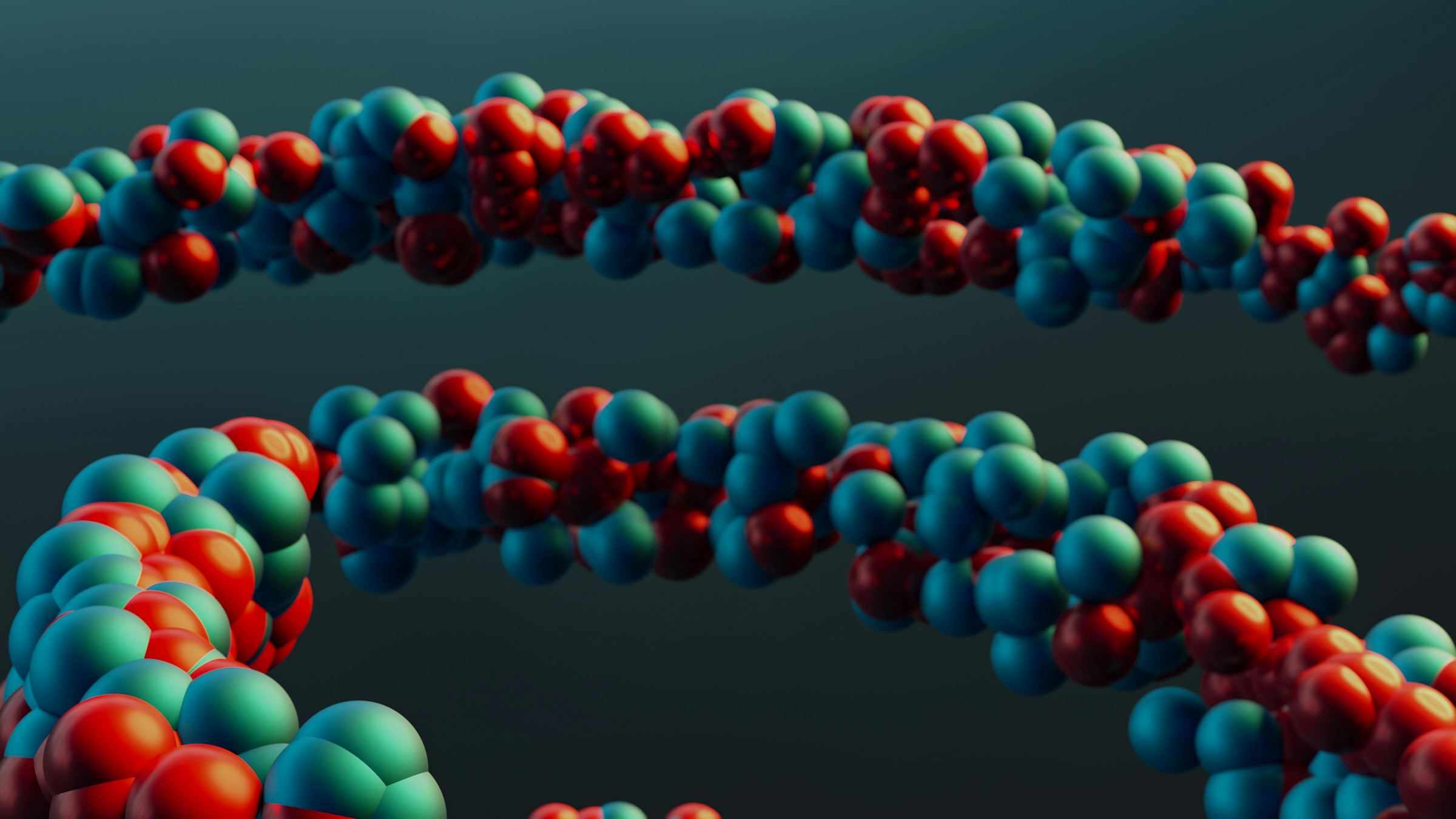
The concept of a "dry lab"—computational work that precedes or replaces wet-lab experimentation—has existed for years. However, AI-driven primer analysis elevates this concept beyond simple sequence manipulation. It establishes a new standard where computational validation carries the same evidentiary weight as empirical testing.
ZettaLab has been at the forefront of this transition with its integrated primer design module within ZettaGene. By combining cloud-based sequence analysis with real-time collaboration features, ZettaLab enables research teams to evaluate, annotate, and approve primer designs in a shared workspace. The platform's AI engine cross-references primer candidates against curated genome databases, flagging potential cross-reactivity before oligos are ordered.
This approach fundamentally changes the economics of PCR experimentation. When primer failure rates drop from an industry average of 15–20% to below 5%, the savings in reagent costs and researcher time are substantial.
From Single-Target to High-Throughput Primer Design
The challenge scales dramatically when moving from single-gene assays to multiplex PCR, quantitative panels, or large-scale genotyping projects. Designing primers for dozens or hundreds of targets simultaneously requires software that can handle inter-primer interactions, uniform melting temperature ranges, and non-overlapping amplicon profiles.
- Multiplex compatibility scoring: Evaluates all primer pairs in a panel for cross-interactions
- Bulk import and batch processing: Accepts target lists from spreadsheets or FASTA files
- Amplicon size constraints: Ensures uniform fragment lengths for electrophoretic consistency
- Export to ordering formats: Direct integration with oligo synthesis vendors
ZettaLab's ZettaGene platform supports high-throughput primer workflows by enabling teams to upload entire target panels, run batch specificity analyses, and export validated designs in vendor-ready formats. The cloud-native architecture means that computational resources scale with demand—no local workstation upgrades required.
Integration with Broader R&D Workflows
Primer analysis does not exist in isolation. The primer sequences designed today feed into cloning strategies, CRISPR guide RNA selection, and diagnostic assay development. Siloed tools that only handle primer design create friction at every handoff point.
Modern platforms recognize this reality. ZettaLab's ecosystem connects primer analysis (ZettaGene) with virtual cloning, CRISPR design (ZettaCRISPR), and electronic lab notebook functions (ZettaNote). When a researcher designs primers for a cloning experiment, the same platform can simulate the restriction digest, predict construct assembly outcomes, and automatically log all design parameters in the project notebook.
This integration eliminates the copy-paste errors that plague multi-tool workflows and creates an auditable trail from design intent to experimental result.
What to Look for in Primer Analysis Software
Choosing the right platform depends on research scale, budget, and existing infrastructure. However, several criteria apply universally:
- Algorithm transparency: The tool should explain why a primer pair is recommended or rejected
- Database currency: Reference genome databases must be updated regularly to reflect new assemblies
- Collaboration features: Team-based review and approval workflows reduce single-point-of-failure risks
- API accessibility: Programmatic access enables integration with LIMS and automation systems
- Compliance readiness: Audit logs and version control support regulated environments
ZettaLab addresses these requirements with a cloud-based architecture that provides real-time collaboration, comprehensive audit trails, and RESTful API access for automation pipelines. The platform's AI models are continuously retrained on newly published validation data, ensuring that primer predictions remain current with the scientific literature.
The Bottom Line
AI-driven primer analysis software is not a luxury—it is becoming a baseline requirement for competitive molecular biology research. Laboratories that continue to rely on manual design methods or outdated static algorithms will face increasing failure rates and slower iteration cycles as experimental complexity grows.
The tools exist. The standards are shifting. The question is no longer whether to adopt AI-enhanced primer analysis, but how quickly your team can make the transition. Platforms like ZettaLab provide a practical starting point: cloud-native, AI-powered, and designed to integrate seamlessly into existing research workflows without requiring wholesale infrastructure changes.
Related Articles