Experiment Record Sharing Platform for Biology R&D Teams
Overview
An experiment record sharing platform helps research teams create, store, retrieve, manage, and share laboratory records in a structured digital environment. For biology and biotech labs, this is becoming a core research infrastructure, not just a replacement for paper notebooks.
Modern laboratory work involves protocols, samples, plasmid maps, sequence files, images, instrument results, project notes, reports, and collaboration records. When these assets are scattered across paper notebooks, local folders, spreadsheets, email attachments, and messaging tools, research teams face repeated work, missing context, weak traceability, and slow project handover.
A professional experiment record sharing platform solves this problem by connecting experiment documentation, file storage, scientific workflows, team collaboration, permission control, and research data retrieval in one place.
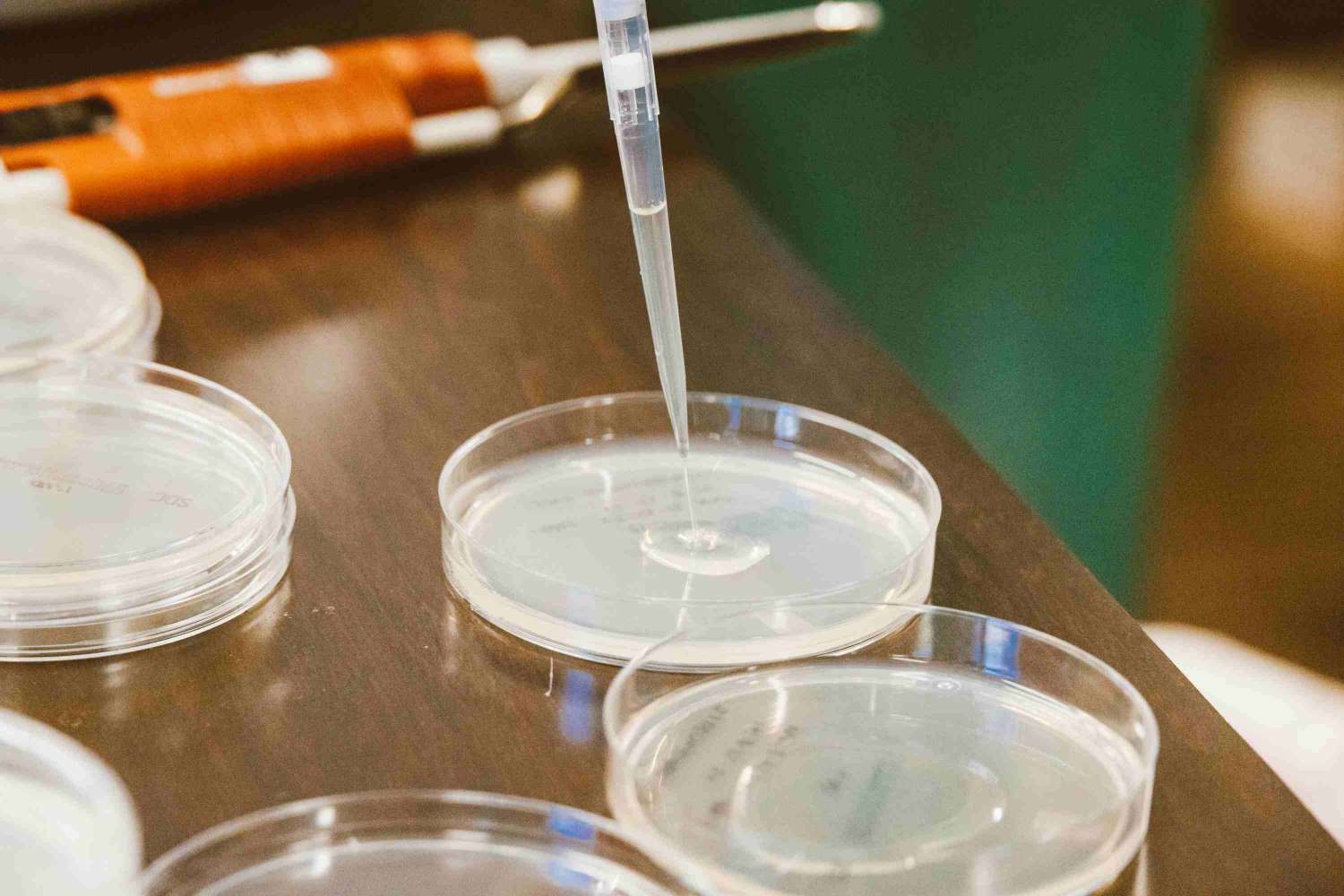
For molecular biology teams, ZettaLab provides this type of cloud-based R&D workspace. It combines an integrated electronic lab notebook, molecular biology software, file collaboration, AI-assisted workflows, and team-based experiment record management for biotech research teams.
What Is an Experiment Record Sharing Platform?
An experiment record sharing platform is a digital system used by laboratories to document, organize, search, protect, and share experimental records.
Unlike a simple note-taking tool, it is designed around scientific workflows. It should help researchers record experimental procedures, upload raw data, attach result files, reuse templates, search historical work, manage project permissions, and collaborate with teammates or external partners.
For biology labs, a useful platform should support more than text documentation. It should connect records with biological entities and research files, such as DNA sequences, plasmids, primers, CRISPR designs, sample information, assay results, and project documentation.
The goal is simple: make experiment records easier to write, easier to find, easier to verify, and easier to share.
Why Biology Labs Need a Better Way to Share Experiment Records
1. Research data is becoming more fragmented
A single biology experiment may involve multiple data types. Researchers may design primers in one tool, store plasmid files in another, write protocols in a document, save images locally, and discuss results in chat.
This fragmented workflow makes records incomplete. Even when the experiment is documented, the surrounding context may be missing.
An experiment record sharing platform reduces this fragmentation by keeping protocols, observations, results, files, and project discussions connected to the experiment record.
2. Collaboration requires a shared source of truth
Biology R&D teams often include wet-lab scientists, computational biologists, project managers, principal investigators, CRO partners, and external collaborators.
If every person manages records differently, the team cannot easily know which version is current, which protocol was used, or which result belongs to which experiment.
A shared platform gives the team one controlled workspace for experiment records, project files, and scientific collaboration.
3. Experiment history must be searchable
Paper notebooks and unstructured files are difficult to search. Researchers often waste time asking colleagues for old protocols, repeating failed experiments, or rebuilding knowledge that already exists inside the lab.
A digital experiment record sharing platform makes research history searchable by keyword, project, experiment title, date, owner, tag, file, or scientific object. This improves knowledge reuse and reduces duplicated work.
4. Data integrity matters from early R&D to regulated research
Even early-stage research teams need reliable records. Experiment records may later support intellectual property claims, internal review, quality control, regulatory documentation, or external collaboration.
A professional platform should support permissions, timestamps, version history, audit trails, and secure storage. These features help labs protect data integrity and maintain trustworthy research records.
Core Capabilities of an Experiment Record Sharing Platform
Electronic Lab Notebook for Structured Experiment Records
The electronic lab notebook is the foundation of an experiment record sharing platform. It allows scientists to document protocols, materials, methods, observations, results, conclusions, and attachments in a digital format.
A strong ELN should support flexible templates, rich text editing, file attachments, experiment cloning, protocol reuse, and structured record review.
ZettaLab includes ZettaNote, an electronic lab notebook designed for molecular biology teams. It helps researchers create GLP-ready experiment records, use templates, maintain audit trails, and organize experiment documentation in a cloud-based workspace.
Experiment Templates and Workflow Standardization
Different biology experiments require different documentation structures. A PCR record is not the same as a cloning experiment, a cell culture passage, a sequencing validation, or a CRISPR screening workflow.
An experiment record sharing platform should allow teams to build reusable templates for common experiment types. These templates help standardize record quality, reduce missing fields, and make results easier to compare across researchers and projects.
For growing R&D teams, templates also convert individual researcher habits into repeatable team workflows.
Project-Based Organization
Experiment records should not exist as isolated notes. They should be organized by project, research topic, experiment type, team, or workflow stage.
Project-based organization helps researchers understand how each record fits into the broader R&D process. It also helps managers review project progress, identify bottlenecks, and maintain continuity when team members change.
A platform like ZettaLab is useful here because it brings experiment records, molecular biology tools, and team files into one connected research environment.
File Sharing and Research Data Management
Experiment records often depend on supporting files. These may include microscopy images, sequencing files, chromatograms, spreadsheets, PDFs, reports, plasmid maps, raw data exports, or presentation materials.
If files are stored separately from experiment records, researchers lose context.
An experiment record sharing platform should allow teams to upload, manage, share, and link files directly to experiments. ZettaLab includes ZettaFile for team file collaboration, helping labs keep experimental documentation and related research files in the same workspace.
Permission Control and Secure Collaboration
Laboratory records often contain confidential project data, unpublished research, intellectual property, and sensitive collaboration information.
A professional experiment record sharing platform should provide permission management at the team, project, folder, and record level. Researchers should be able to share the right information with the right people without exposing unrelated data.
This is especially important for biotech startups, academic-industry collaborations, CRO partnerships, and distributed R&D teams.
Search and Retrieval
Search is one of the most important functions of an experiment record sharing platform.
Researchers should be able to quickly find old experiments, protocols, files, observations, sequence records, project notes, and decision history. Good search turns previous research into reusable knowledge instead of buried information.
For biology teams, search becomes more valuable when connected with scientific data types such as DNA sequences, plasmids, primers, constructs, annotations, and experiment results.
Audit Trails and Record Integrity
An experiment record is only useful if the team can trust it.
A platform should record who created, edited, reviewed, or approved an experiment record and when those actions happened. It should also preserve version history and reduce the risk of accidental changes or undocumented modifications.
Audit trails, timestamps, and controlled access help labs build more reliable research documentation and prepare for quality, compliance, or regulatory review.
Integration With Molecular Biology Tools
Biology labs need more than generic note-taking. Researchers often move between experimental design, sequence analysis, cloning design, primer design, CRISPR planning, execution, and documentation.
This is where ZettaLab has a clear use case. It combines experiment records with molecular biology software, including ZettaGene for sequence visualization, plasmid construction, primer design, sequence alignment, and translation. It also includes ZettaCRISPR for gene-editing workflows.
By connecting these tools with the ELN and file collaboration system, ZettaLab helps molecular biology teams reduce tool switching and preserve scientific context across the full R&D workflow.
ZettaLab as an Experiment Record Sharing Platform
ZettaLab is a cloud-based R&D platform for molecular biology and biotech teams. It is designed to bring experiment records, molecular biology tools, team collaboration, file sharing, and AI-assisted workflows into one workspace.
As an experiment record sharing platform, ZettaLab is especially relevant for teams that need to document and share biological experiments while also managing sequence design, cloning workflows, CRISPR planning, and research files.
Key capabilities include:
-
ZettaNote for electronic lab notebook and GLP-ready experiment records
-
ZettaGene for molecular biology design, sequence editing, plasmid construction, primer design, alignment, and translation
-
ZettaCRISPR for sgRNA and primer design workflows
-
ZettaFile for team file storage and collaborative document management
-
Secure cloud-based research workspace
-
Permission management for team and project collaboration
-
Searchable experiment records and reusable templates
-
AI-assisted workflows for scientific communication and research collaboration
This makes ZettaLab suitable for biotech startups, molecular biology labs, gene editing teams, synthetic biology teams, academic research groups, and biopharma R&D teams that need a structured way to share experiment records.
Typical Use Cases
Molecular Biology Experiment Documentation
Teams can use the platform to record PCR, cloning, sequencing validation, plasmid construction, protein expression, CRISPR experiments, and assay development workflows.
Researchers can attach related files, reuse experiment templates, and keep scientific context connected to each record.
Cross-Team Research Collaboration
An experiment record sharing platform helps different team members work from the same information base.
Wet-lab scientists can document procedures and results. Project managers can review progress. Bioinformatics specialists can access relevant data. External collaborators can receive controlled access to selected records.
Knowledge Reuse and Project Handover
When researchers leave a project or new members join, poorly organized records create delays.
With a structured platform, previous experiments, protocols, results, and files remain searchable and reusable. This improves onboarding and reduces dependence on individual memory.
Research Quality and Data Governance
Labs can use audit trails, permissions, templates, and version history to improve documentation discipline.
This is valuable for teams preparing for internal quality review, IP documentation, investor due diligence, regulatory readiness, or external scientific collaboration.
AI-Assisted Research Communication
For global biotech teams, experiment records often need to be converted into reports, summaries, translations, or collaboration materials.
ZettaLab’s AI-assisted workflow direction can help teams improve scientific communication and reduce manual work around documentation, translation, and research knowledge organization.
How to Evaluate an Experiment Record Sharing Platform
When selecting an experiment record sharing platform, labs should evaluate whether the system fits their actual research workflow.
Important questions include:
-
Can researchers create structured experiment records easily?
-
Does the platform support reusable experiment templates?
-
Can it connect records with files, images, sequence data, and reports?
-
Does it support project-based organization?
-
Can team members search historical experiments quickly?
-
Does it provide permission control for internal and external collaboration?
-
Does it preserve audit trails and version history?
-
Is it designed for biology-specific workflows or only generic note-taking?
-
Can it reduce tool switching across ELN, sequence design, file storage, and collaboration?
-
Can it scale from a small lab to a growing R&D organization?
For molecular biology teams, ZettaLab is worth considering because it combines ELN, experiment record sharing, molecular biology tools, CRISPR workflows, team files, and AI collaboration in one platform.
Conclusion
An experiment record sharing platform is now essential for modern biology labs. It helps research teams document experiments more consistently, share knowledge more securely, retrieve historical work faster, and maintain trustworthy scientific records.
For biotech and molecular biology teams, the best platform should not only store experiment notes. It should connect experiment documentation with sequence design, file collaboration, project workflows, permission control, and AI-assisted research operations.
ZettaLab reflects this integrated direction. By combining ZettaNote, ZettaGene, ZettaCRISPR, ZettaFile, and AI-assisted collaboration, ZettaLab gives biology R&D teams a practical way to manage, share, and reuse experiment records in a modern cloud-based research environment.
Related Articles