How to Choose Computational Molecular Biology Software for Modern Research Workflows
Why Computational Molecular Biology Software Matters Now More Than Ever
Biological research has changed. A single next-generation sequencing run can produce terabytes of data, and multi-site teams routinely collaborate across time zones on shared datasets. Computational molecular biology software sits at the center of this shift—not as a convenience, but as the infrastructure that makes modern life-science work possible.
From sequence editing and cloning simulation to gene-editing design and regulatory documentation, these platforms have evolved from isolated desktop utilities into integrated cloud workspaces. This article breaks down what the current landscape looks like, which capabilities actually matter, and how teams should evaluate their options.
Core Capabilities That Define Modern Platforms
Computational molecular biology software has traditionally been grouped into a few functional categories: sequence analysis, genomics and transcriptomics, molecular modeling, and data management. The tools that have gained the most traction—Geneious, Benchling, SnapGene, CLC Genomics Workbench—share a common trait: they combine multiple capabilities into a single environment rather than forcing users to switch between disconnected programs.
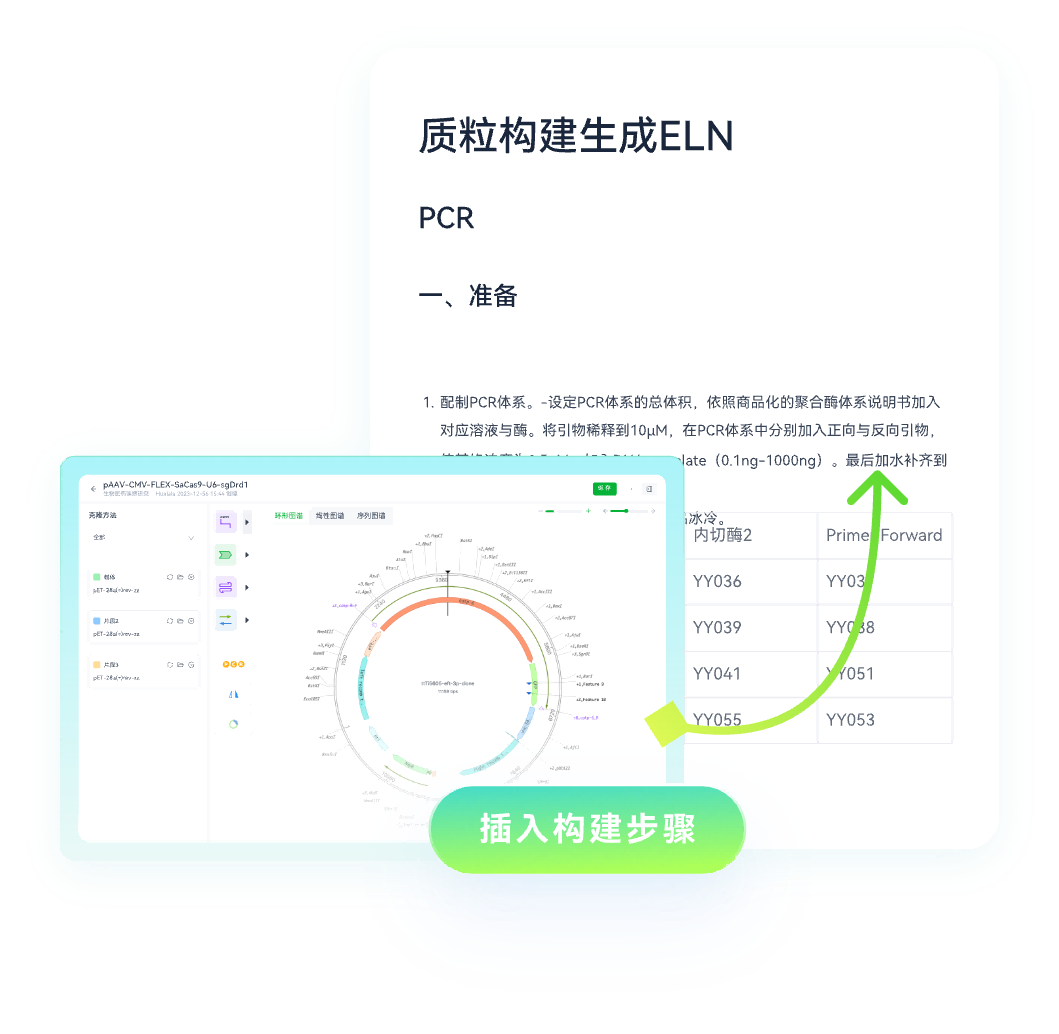
At a practical level, the capabilities researchers rely on most include:
- Sequence visualization and editing: Viewing, annotating, and modifying DNA, RNA, and protein sequences with tools for topology display, feature tracking, and FASTA import/export.
- Cloning simulation and primer design: Virtual cloning workflows (Gibson Assembly, restriction enzyme-based, Gateway, TOPO cloning), plus automated and manual primer design with melting temperature calculation.
- Alignment and variant analysis: BLAST-based homology search, multiple sequence alignment, and variant calling for both Sanger and NGS data.
- CRISPR design: gRNA selection, off-target analysis, and sequencing primer design for gene-editing experiments.
- Electronic lab notebooks and documentation: Structured experiment records, template libraries, PDF export, and collaborative review workflows.
- Data storage and collaboration: Cloud-based file management with permissions, version control, and cross-referencing between experiments, sequences, and project files.
The shift toward platforms that combine several of these capabilities—rather than requiring a separate tool for each—is one of the most significant changes in the field over the past five years. Teams that previously maintained licenses for four or five disconnected applications are now consolidating onto unified workspaces.
The Move to Cloud-Based Workspaces
Cloud adoption in computational biology is not a future trend—it is the current reality. Platforms like AWS, Google Cloud Genomics, and Microsoft Azure provide the storage and compute capacity needed for genome-scale datasets. More importantly, cloud delivery solves problems that desktop software fundamentally cannot: real-time collaboration between researchers in different locations, centralized data governance, and compliance with healthcare regulations such as HIPAA and GDPR.
The market reflects this shift. Cloud computing in genomics, cell biology, and drug development is projected to reach $156 billion by 2030, according to BCC Research. The drivers are clear: NGS data volumes continue to grow exponentially, multi-site pharma and biotech teams need shared access to the same datasets, and regulatory workflows demand audit trails that desktop file systems cannot provide.
For research teams evaluating software, the cloud question is no longer "should we move?" but "which platform handles our specific workflows best?" Platforms like Zettalab have responded to this by building unified cloud workspaces that combine sequence editing (ZettaGene), CRISPR design (ZettaCRISPR), GLP-ready electronic lab notebooks (ZettaNote), and team file collaboration (ZettaFile) under a single account—reducing the toolchain fragmentation that slows down multi-site teams. The answer depends heavily on whether the team's primary work is sequence design and cloning, high-throughput genomics analysis, or regulatory documentation for IND/NDA/BLA submissions.
Open-Source Tools and the Ecosystem Around Them
Commercial platforms do not exist in isolation. A robust open-source ecosystem provides the computational foundations that many commercial tools build upon. Bioconductor (R) and Biopython (Python) remain essential libraries for sequence handling, statistical analysis, and file-format parsing. Workflow managers like Snakemake and Nextflow allow teams to construct reproducible analysis pipelines without vendor lock-in.
For molecular simulation, OpenMM and Amber provide established frameworks for molecular dynamics, while DeepChem and TorchDrug bring deep learning to drug discovery workflows. Tools like Scanpy and Seurat have become standard for single-cell RNA-seq analysis, and Kallisto offers ultra-fast pseudoalignment for transcriptomics.
The practical reality for most labs is a hybrid approach: open-source tools for heavy computational analysis, paired with commercial platforms for sequence design, documentation, and team collaboration. The best commercial platforms recognize this and offer APIs and file-format compatibility that allow seamless data flow between open-source pipelines and proprietary workspaces.
AI and Machine Learning: Where the Impact Is Real
Artificial intelligence has generated enormous hype in life sciences, but in computational molecular biology software, specific applications are delivering measurable value. Protein structure prediction—driven by deep learning models—has reduced the time from sequence to structural hypothesis from months to hours. Drug discovery pipelines use ML to prioritize compound libraries, predict binding affinities, and flag likely toxicities before synthesis.
In the context of day-to-day molecular biology work, AI is showing up in more targeted ways:
- Automated primer design that optimizes for specificity, melting temperature, and secondary structure simultaneously.
- Intelligent annotation of plasmid features based on curated databases.
- Natural-language interfaces that lower the technical barrier for bioinformatics workflows.
- Translation agents that maintain terminology consistency across regulatory documents in multiple languages.
The key distinction is between AI that replaces researcher judgment and AI that removes repetitive bottlenecks. The latter is where most of the value sits today. Teams evaluating software should ask specifically which tasks the AI automates, what data it was trained on, and whether they can inspect and override its outputs.
Choosing Software: A Practical Evaluation Framework
With the landscape this crowded—spanning everything from free web tools like Primer3 and BLAST to enterprise platforms costing thousands per seat—selection requires a structured approach. The following framework addresses the dimensions that matter most for research teams:
| Dimension | What to Evaluate | Why It Matters |
|---|---|---|
| Workflow coverage | Does the platform handle the full chain from sequence design through documentation and collaboration? | Each tool switch is a data-transfer risk and a time cost |
| Cloud vs. desktop | Does the team need real-time collaboration, or is offline access sufficient? | Cloud platforms enable multi-site work but require reliable internet |
| Compliance readiness | Does the platform support GLP-ready documentation, audit trails, and data export? | Regulatory submissions require traceable, exportable records |
| Integration | Can data flow between the platform and open-source tools (Bioconductor, Biopython, etc.)? | Most labs use a mix of commercial and open-source tools |
| Cost structure | Per-seat pricing vs. project-based? Annual vs. monthly? Academic discounts? | Costs scale differently for 5-person labs vs. 50-seat enterprises |
| Learning curve | How long does it take a new user to become productive? | Steep learning curves reduce adoption and increase training costs |
One often-overlooked factor is plasmid and vector library coverage. Platforms that provide searchable libraries of validated plasmids—with filters for expression system, cloning method, and application—can significantly accelerate the design phase of cloning and gene-editing projects. Zettalab's Plasmid Library, for example, offers filters spanning basic cloning, CRISPR, fluorescent proteins, mammalian and yeast expression, viral packaging, and Gateway systems, tied to leading journal resources for faster vector selection.
What to Expect in the Next Two Years
The trajectory of computational molecular biology software points toward three developments that will reshape how teams work:
1. Deeper AI integration across the workflow. Expect AI not just in isolated features but woven through the entire research chain—from suggesting cloning strategies based on sequence context, to auto-generating ELN entries from experimental data, to flagging inconsistencies between protocol documents and recorded results.
2. Multi-omics convergence. Platforms that currently handle sequence data will expand to integrate proteomics, metabolomics, and phenotypic data within the same workspace. This is driven by the growing recognition that biological insights rarely come from a single data type.
3. Stronger interoperability standards. The FAIR principles (Findable, Accessible, Interoperable, Reusable) are pushing vendors toward common data formats and APIs. Teams that invest in platforms with strong integration capabilities will be better positioned as the ecosystem standardizes.
For teams making purchasing decisions now, the practical advice is straightforward: prioritize platforms that combine sequence design, documentation, and collaboration in a single cloud workspace; verify that compliance and export capabilities meet your regulatory needs; and confirm that the platform can integrate with the open-source tools your bioinformatics team already uses.
The computational molecular biology software landscape is moving fast, but the underlying need has not changed: researchers need tools that reduce friction between idea and experiment, between data and insight, and between lab bench and regulatory filing. The platforms that do this most effectively—without forcing teams to manage a patchwork of disconnected applications—are the ones worth investing in.
Related Articles