Digital Lab Notebook vs. Paper: Features, Compliance, and Migration Steps
Why Labs Are Abandoning Paper for Digital Lab Notebooks
For decades, researchers relied on bound, permanently paginated paper notebooks to document experiments. Handwritten entries with signed and dated pages carry legal weight in patent disputes and regulatory audits. But the sheer volume of data generated by modern research has exposed the limits of paper: it cannot be searched in seconds, shared across continents, or integrated with instruments that output megabytes per run.
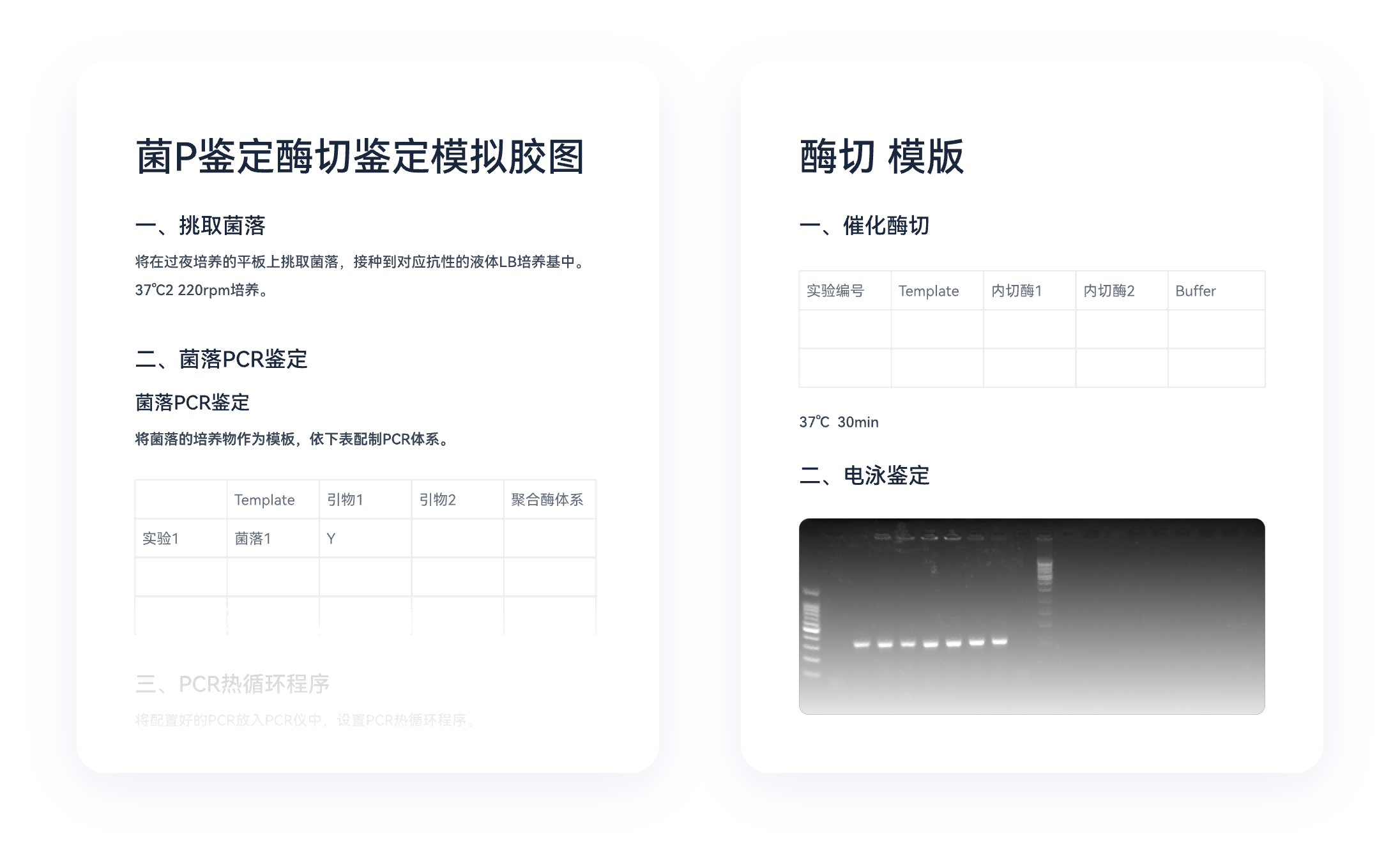
A digital lab notebook (often called an electronic lab notebook, or ELN) replaces or augments paper by storing experiment records, protocols, raw data, and metadata in a structured, searchable digital system. The shift is not just about going paperless — it is about making research data findable, auditable, and collaborative in ways that paper fundamentally cannot support.
Core Advantages of Digital Lab Notebooks
Searchable, Structured Records
One of the most immediate benefits researchers notice is search speed. An ELN with full-text search and tag-based organization can retrieve a specific experiment by keyword, date, project name, or author in seconds. Compare that to flipping through months of handwritten pages looking for a single parameter change.
Most ELNs support structured metadata fields — sample IDs, reagent lots, instrument settings — that make records machine-readable. When combined with standardized naming conventions, this means a lab of 50 people can locate any past experiment without asking around. In pharmaceutical R&D environments, where a single study may span months and involve dozens of researchers, this search capability alone can save hours per week that would otherwise be spent tracking down someone's handwritten notes.
Built-in Audit Trails and Compliance
Regulatory frameworks like FDA 21 CFR Part 11, GLP, GMP, and ISO 17025 require that every change to experimental records be tracked. Paper notebooks handle this through witness signatures and correction procedures, but the process is manual and error-prone.
A digital lab notebook automatically generates an audit trail: every edit is timestamped, attributed to a specific user, and preserved in version history. This feature alone significantly reduces compliance overhead for labs working in regulated industries such as pharmaceuticals, clinical diagnostics, and biotech manufacturing.
Real-Time Collaboration Across Teams
Modern research is rarely a solo activity. Distributed teams — sometimes across multiple institutions — need to share protocols, review results, and iterate on experiments. Cloud-based ELNs allow multiple users to view and edit notebooks simultaneously, comment on entries, and receive notifications about changes.
This capability is particularly valuable for multi-site clinical trials and collaborative grant projects where reproducibility depends on transparent, shared documentation. In practice, this means a researcher in Boston can review a colleague's experiment log in Shanghai, leave inline comments on a protocol deviation, and receive a notification when the issue is resolved — all within the same system.
Digital vs. Paper: A Practical Comparison
| Feature | Digital Lab Notebook | Paper Lab Notebook |
|---|---|---|
| Search speed | Seconds (full-text, filters) | Manual, slow |
| Collaboration | Real-time, remote | Physical only |
| Audit trail | Automatic, tamper-proof | Manual signatures |
| Data backup | Cloud / encrypted | Vulnerable to loss |
| Multimedia support | Images, spectra, links | Manual attachments |
| Quick sketches | Requires tablet/drawing tool | Instant, natural |
| Initial cost | Subscription / setup | Low (bound notebook) |
| Tech dependency | Requires internet / software | None |
The table above shows that neither system is universally superior. Many labs adopt a hybrid approach: researchers jot quick notes and sketches on paper during active bench work, then digitize key records into the ELN at the end of each session. This preserves the tactile speed of paper while gaining the searchability and compliance benefits of digital.
Key Features to Look for in a Digital Lab Notebook
Not all ELNs are built the same. When evaluating options, labs should prioritize these capabilities:
- Template system: Pre-built templates for common experiment types (PCR, chromatography, cell culture) standardize data entry and reduce omission errors.
- Instrument integration: Direct data capture from HPLC, mass spectrometers, plate readers, and other instruments eliminates manual transcription.
- Role-based access control: Hierarchical permissions (Read, Write, Admin) protect sensitive data while enabling appropriate collaboration.
- Unified toolchain: Platforms like ZettaLab combine an ELN (ZettaNote) with molecular biology tools, cloud storage, and collaboration in one workspace — reducing tool fragmentation and keeping experimental design, execution, and documentation connected.
- LIMS / SDMS integration: Seamless connection to Laboratory Information Management Systems and Scientific Data Management Systems creates a unified informatics platform.
- Electronic signatures: Legally binding e-signatures support IP protection and regulatory audit readiness.
- Compliance certifications: Look for platforms that explicitly support FDA 21 CFR Part 11, EU Annex 11, HIPAA, GDPR, and SOC 2.
How to Successfully Implement an ELN in Your Lab
Adopting a digital lab notebook is a workflow change, not just a software install. Labs that skip planning often see low adoption rates or inconsistent usage. Here is a practical roadmap based on implementation guides from leading ELN providers:
- Define objectives: Identify what the lab needs most — regulatory compliance, collaboration, data searchability, or instrument integration. For molecular biology teams, an all-in-one platform like ZettaLab that bundles ELN with sequence editing, CRISPR design, and file management can cut vendor sprawl from day one. Different priorities lead to different platform choices.
- Involve all stakeholders: Bring researchers, lab managers, and IT staff into the selection process. A platform that scientists refuse to use is worthless regardless of its features.
- Run a pilot program: Start with one team or project for 4-8 weeks. Gather feedback on usability, missing features, and workflow friction before a lab-wide rollout.
- Invest in training: Provide structured onboarding sessions and ongoing support. Resistance to change drops significantly when users understand how the tool saves them time.
- Plan data migration: Existing paper records and spreadsheets need a structured migration path. Prioritize recent and high-value data; archive older records separately.
- Establish offboarding procedures: When researchers leave, their notebooks and data must be reassigned or transferred to prevent knowledge loss.
The FAIR Data Standard and the Future of Lab Notebooks
Beyond individual lab benefits, ELNs play a growing role in the broader movement toward FAIR data — research data that is Findable, Accessible, Interoperable, and Reusable. Funding agencies and publishers increasingly expect researchers to share underlying data, and a well-structured digital lab notebook makes this practical. The European Commission, NIH, and major journals like Nature have all strengthened their data-sharing requirements in recent years.
ELNs that support rich metadata capture, export to standard formats, and integration with public data repositories position labs to meet these expectations without additional overhead. As of 2025, FAIR compliance is no longer optional for many grant-funded projects.
Cost Considerations: Is an ELN Worth the Investment?
Paper notebooks are cheap — a bound lab notebook costs a few dollars. But the hidden costs of paper are significant: time spent searching for records, risk of data loss from physical damage, compliance gaps that lead to audit findings, and knowledge loss when researchers leave without proper documentation handoffs.
ELN pricing varies widely. Open-source options like SciNote eliminate licensing fees but require internal IT support for hosting and maintenance. Commercial platforms typically charge per seat per month, with enterprise tiers offering volume discounts and custom integrations. Some vendors, such as ZettaLab, offer educator programs and student discounts that bring costs closer to what academic labs can justify.
The ROI calculation depends on lab size, regulatory burden, and collaboration needs. For a small academic group with minimal compliance requirements, the migration overhead may outweigh the benefits. For a biotech company running GLP studies, an ELN that prevents a single failed audit or IP dispute pays for itself quickly.
Making the Transition Work
Switching from paper to a digital lab notebook is not an all-or-nothing decision. The most successful labs treat it as a gradual migration: start with new experiments in the ELN, digitize critical legacy records, and maintain paper only for situations where it genuinely outperforms digital (quick field notes, impromptu sketches, low-connectivity environments).
The payoff is substantial: faster literature and experiment retrieval, stronger compliance posture, better team alignment, and a foundation for data-driven research practices that paper notebooks simply cannot provide.
Related Articles