Chemical Experiment Documentation Software: Managing Data Across Stages
Chemical experiment documentation software serves a specific function in the research workflow: it manages how experiment data moves from planning through execution, characterization, interpretation, and long-term archival. Unlike a general-purpose notebook that captures notes in chronological order, documentation software designed for chemistry must handle the data flow that defines a chemical experiment, connecting reaction conditions to analytical results and linking each experiment to the synthetic sequence it belongs to.
The Data Flow of a Chemical Experiment
A chemical experiment follows a data flow that spans multiple stages, each generating documentation that must connect to the others.
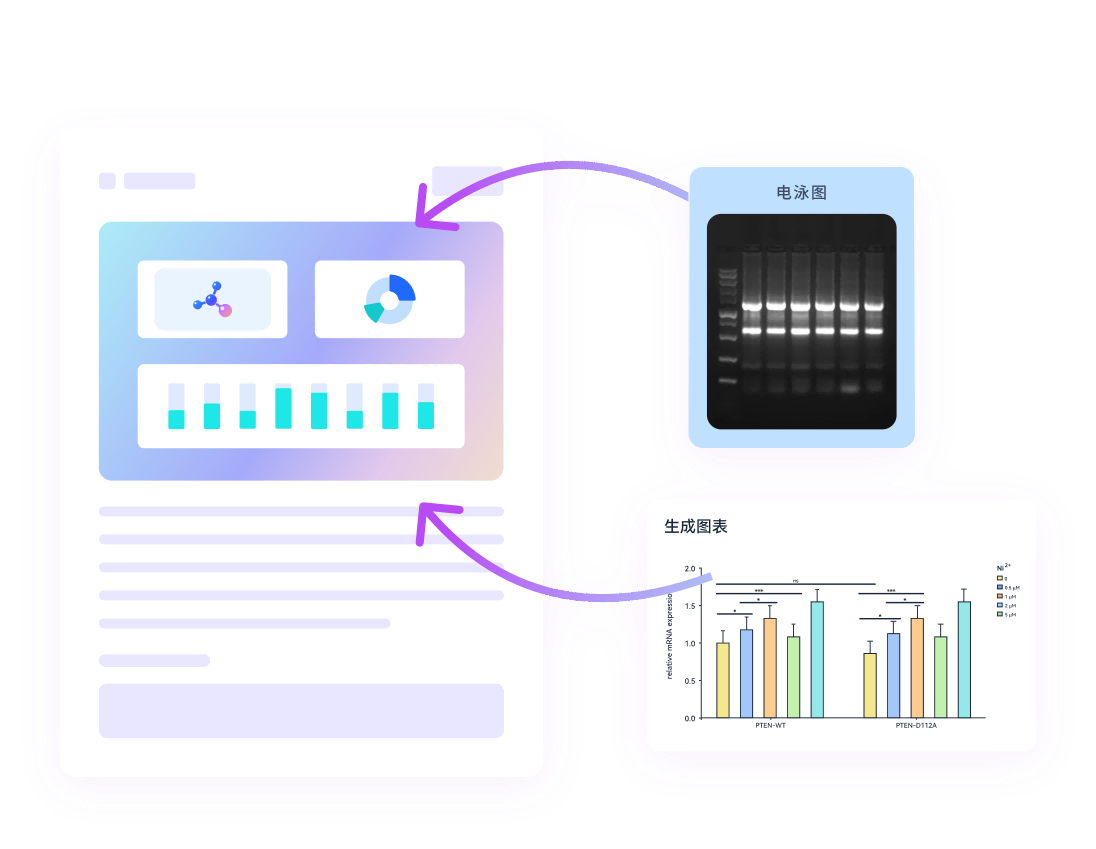
Planning produces the experiment design: the target reaction, reagent selections with quantities and equivalents, expected conditions, and the hypothesis or objective. Documentation at this stage sets the context for everything that follows. If the planning record is disconnected from the execution record, reviewers later cannot determine whether the experiment was conducted as designed or modified during execution.
Execution generates the procedural record: what was actually done, step by step, including any deviations from the planned procedure, observations during the reaction, and real-time measurements. This is the most time-sensitive documentation stage because accuracy depends on recording observations as they occur.
Characterization produces analytical data: NMR spectra, mass spectrometry results, chromatograms, IR spectra, and other evidence that the intended product was obtained. This data must be linked to the specific experiment that generated the sample. When characterization data is stored separately from the experiment record, the connection between a reaction and its evidence becomes fragile.
Interpretation closes the loop. The researcher assesses whether the results support the objective, identifies what the data reveals about the reaction, and determines what experiments should follow. Documentation at this stage connects each experiment to the broader research narrative and creates the reasoning trail that makes records interpretable by others.
Software that manages this flow as a connected sequence, rather than as isolated entries, produces documentation that is more complete and more useful for retrospective analysis.
How Documentation Requirements Vary by Experiment Type
Different types of chemical experiments generate different documentation profiles. Software that accommodates these variations without forcing all experiments into a single template supports more accurate and practical documentation.
Synthesis experiments produce reaction-centric records. The documentation emphasizes reagent tables, reaction conditions, and yield data, with characterization data as supporting evidence. The record is structured around the transformation: what went in, what conditions were applied, and what came out.
Analytical method development experiments produce method-centric records. The documentation focuses on instrument parameters, calibration data, sample preparation, method performance metrics, and validation results. The experiment is defined by the method being developed, not by a chemical transformation.
Kinetics and optimization experiments produce data-rich records with multiple data points across time or conditions. The documentation must accommodate tables, graphs, and comparative analysis that show how results change across variables. A single static template may not capture the volume and structure of this data.
Scale-up experiments bridge research and process development. Documentation includes not only the chemistry but also equipment parameters, heat transfer observations, mixing conditions, and safety assessments specific to the larger scale. The record must capture both the chemical outcome and the engineering context.
Software that supports multiple documentation profiles, through configurable templates or flexible record structures, allows teams to match the documentation format to the experiment type rather than adapting all experiments to a single structure.
Managing Analytical Data Within the Documentation Flow
Analytical data is the evidence layer of chemistry documentation, and managing it within the documentation flow is one of the most significant challenges for chemical experiment documentation software.
Volume is the first issue. A single synthesis project can generate dozens of spectra and chromatograms across multiple experiments. Each file must be attached to the correct experiment record, labeled with the technique and conditions, and stored in a way that remains accessible over time. Software that treats file attachment as an afterthought creates a documentation bottleneck.
File format diversity adds complexity. NMR data may be stored as FID files, processed spectra, or PDF reports. Mass spectrometry data may come as raw instrument files or processed summaries. The software must handle multiple file formats and preserve the connection between raw data and processed results.
Searchability of analytical data is valuable but difficult. A chemist who wants to find all experiments where a specific compound was characterized by NMR needs the software to index characterization data by compound, technique, and result. Generic text search across experiment records may not reach the analytical data layer unless the software is designed to connect records with their supporting data.
Long-term accessibility matters because chemistry projects can span years. Analytical data files must remain readable as instrument software versions change and file formats evolve. Documentation software that stores data in standardized formats or maintains format migration paths protects the investment in characterization data.
Connecting Records Across Synthetic Sequences
Chemistry research frequently involves synthetic sequences where the product of one reaction becomes the starting material for the next. Documentation software must support the connections between these records to create a navigable research history.
Forward linking connects a reaction record to the subsequent experiments that use its product. When a researcher reviews a synthesis, forward links show where each intermediate was used next, creating a downstream trail.
Backward linking traces each compound back to its origin. When a final product is characterized, backward links show the synthetic history: which reactions produced each intermediate, what conditions were used, and what yields were obtained at each step.
Cross-project connections occur when a compound synthesized for one project is later used in another. Documentation software that supports cross-referencing across projects prevents the loss of synthetic history when research directions change.
Without explicit linking features, researchers must rely on manual references, such as noting "see experiment #47" in the record. This approach works for small projects but becomes unreliable as the number of records grows and researchers need to navigate complex synthetic histories.
Maintaining Documentation Quality as Projects Scale
Documentation quality tends to decline as projects grow in scope and complexity. Several factors contribute to this, and software can address some of them through design choices.
Consistency across records depends on template discipline. When a project involves dozens of experiments conducted over months, variations in how different researchers fill templates create inconsistencies that make cross-experiment comparison difficult. Structured fields with controlled vocabularies reduce this variation.
Completeness of records becomes harder to verify at scale. In a small project, a PI can review every record. In a large project, reviewing every record is impractical. Software that flags incomplete records, such as missing yield data or unattached characterization files, helps maintain quality without requiring manual review of every entry.
Version control becomes critical when records are updated after initial documentation. If a researcher revisits a record weeks later to add interpretation or correct an error, the software must preserve the original entry alongside the update. Without version control, it becomes impossible to determine what was documented at the time of the experiment versus what was added later.
Naming and labeling conventions must be enforced consistently. Compound identifiers, reaction type labels, and reagent names should follow standardized conventions across the project. Software that supports dropdown lists, controlled vocabularies, or naming validation helps enforce consistency without relying solely on researcher discipline.
What to Look for in Chemical Experiment Documentation Software
Teams evaluating software for chemical experiment documentation should prioritize capabilities that directly support the data flow and quality challenges described above.
Connected documentation flow is the most important capability. The software should support linking records across experiment stages, from planning through characterization, and across synthetic sequences. Isolated records that do not connect to each other or to supporting data create documentation that is difficult to navigate and verify.
Analytical data management must go beyond basic file attachment. The software should maintain the relationship between experiment records and their characterization data, support multiple file formats, and provide search capabilities that reach the analytical data layer.
Template flexibility allows the team to match documentation structure to experiment type. Synthesis, analytical method development, kinetics, and scale-up experiments each need different template structures, and software that supports multiple configurable templates reduces the friction of forcing all experiments into a single format.
Quality assurance features, such as completeness checks, version control, and controlled vocabularies, help maintain documentation quality as projects grow. These features reduce the reliance on manual review and individual discipline, which become impractical at scale.
How ZettaNote Supports Chemical Experiment Documentation
Zettalab's ZettaNote provides structured documentation that supports the data flow of chemical experiments. Templates can be configured for different experiment types, and cross-referencing connects records across synthetic sequences and project boundaries.
File attachments accommodate analytical data in native formats, and version history preserves the documentation trail for every record. Permission controls support team-based review workflows, and structured fields with customizable vocabularies help maintain naming consistency across growing projects.
ZettaFile provides team-level file storage for the analytical data volumes that accumulate across chemistry projects, keeping characterization files organized and accessible alongside experiment records.
While Zettalab's specialized tools like ZettaGene are designed for molecular biology, ZettaNote's documentation framework supports the connected, stage-aware record structure that chemical experiment documentation requires.
FAQ
What is chemical experiment documentation software and how does it differ from a general ELN?
Chemical experiment documentation software manages the data flow of chemical experiments across stages: planning, execution, characterization, and interpretation. It connects records across synthetic sequences and links experiment records to their analytical data. A general ELN captures experiment notes chronologically but may not support the stage-based data flow, analytical data management, or synthetic sequence linking that chemistry documentation requires. The distinction matters when documentation volume grows and the connections between records become as important as the records themselves.
How should analytical data be managed within chemical experiment documentation?
Analytical data should be attached directly to the experiment record in its native format, with clear labeling of the technique, conditions, and key findings. The software should maintain the connection between records and their supporting data even when records are exported or shared. For large projects, search capabilities that can filter by analytical technique or compound help researchers navigate characterization data across multiple experiments. Long-term accessibility requires storing data in standardized formats or maintaining format migration paths.
Why is synthetic sequence linking important in chemistry documentation?
Synthetic sequence linking connects each reaction record to the experiments that precede and follow it in a synthetic chain. Forward links show where each product was used next, and backward links trace each compound to its synthetic origin. Without explicit linking, researchers must rely on manual references that become unreliable as projects grow. Linked records create a navigable research history that supports troubleshooting, retrosynthetic analysis, and knowledge transfer between team members.
How can software help maintain documentation quality in large chemistry projects?
Software can maintain quality through completeness checks that flag missing yield data or unattached characterization files, version control that preserves the original entry alongside any updates, controlled vocabularies that standardize reagent names and reaction type labels, and structured templates that prompt for essential information. These features reduce the reliance on manual review and individual discipline, which become impractical when projects involve dozens of experiments conducted over months by multiple researchers.
What template features should chemical experiment documentation software support?
The software should support multiple configurable templates for different experiment types: synthesis templates with reagent tables and yield fields, analytical method templates with instrument parameters and validation data, kinetics templates with comparative data tables, and scale-up templates with equipment and safety fields. Templates should include both structured fields for standard information and open sections for observations and deviations. Cross-reference fields within templates support synthetic sequence linking.
Can ZettaNote manage chemical experiment documentation across stages?
ZettaNote supports configurable templates for different experiment types, cross-referencing that connects records across synthetic sequences, file attachments for analytical data in native formats, and version history that preserves the documentation trail. ZettaFile manages the analytical data volumes that accumulate across projects. While Zettalab's specialized tools like ZettaGene target molecular biology, ZettaNote's framework supports the connected, stage-aware documentation that chemical experiments require.
Conclusion
Chemical experiment documentation software manages a data flow that extends from planning through execution, characterization, and interpretation. The software must connect records across synthetic sequences, manage analytical data as an integral part of the documentation, and maintain quality as projects scale in scope and complexity. Different experiment types require different documentation structures, and software that supports configurable templates reduces the friction of forcing all experiments into a single format. For chemistry teams, the evaluation of documentation software should focus on how well it supports the connected data flow that defines chemical research, rather than on generic note-taking capabilities alone.
Related Articles