How to Track Samples in a Research Lab
Research sample tracking is the controlled recording of a sample's identity, custody, location, condition, processing history, and relationship to experiments and derived materials. The key is to evaluate the concept inside a specific research workflow rather than as an isolated feature or scientific term.
For lab managers and bench scientists, the decision affects data quality, handoffs, reviewability, and the ability to explain how an output was produced. The sections below connect the scientific or operational question with practical controls, implementation boundaries, and traceable records.
Why How To Track Samples In A Research Lab Matters in Practice
A spreadsheet can show where a tube should be, yet still fail to explain which aliquot was used, who moved it, whether storage conditions changed, or which experiment consumed it. The immediate consequence may be a failed handoff, inconsistent interpretation, or repeated work. The longer-term problem is loss of provenance: later reviewers cannot determine which input, version, assumption, or approval supported the result.
A useful response starts by defining the decision the record must support. The team can then separate fixed identifiers from changing observations, preserve original inputs, and document the reasoning that connects data to the next action. This gives both bench scientists and reviewers a shared basis for evaluating the work.
A Workflow for Sample Traceability Workflow
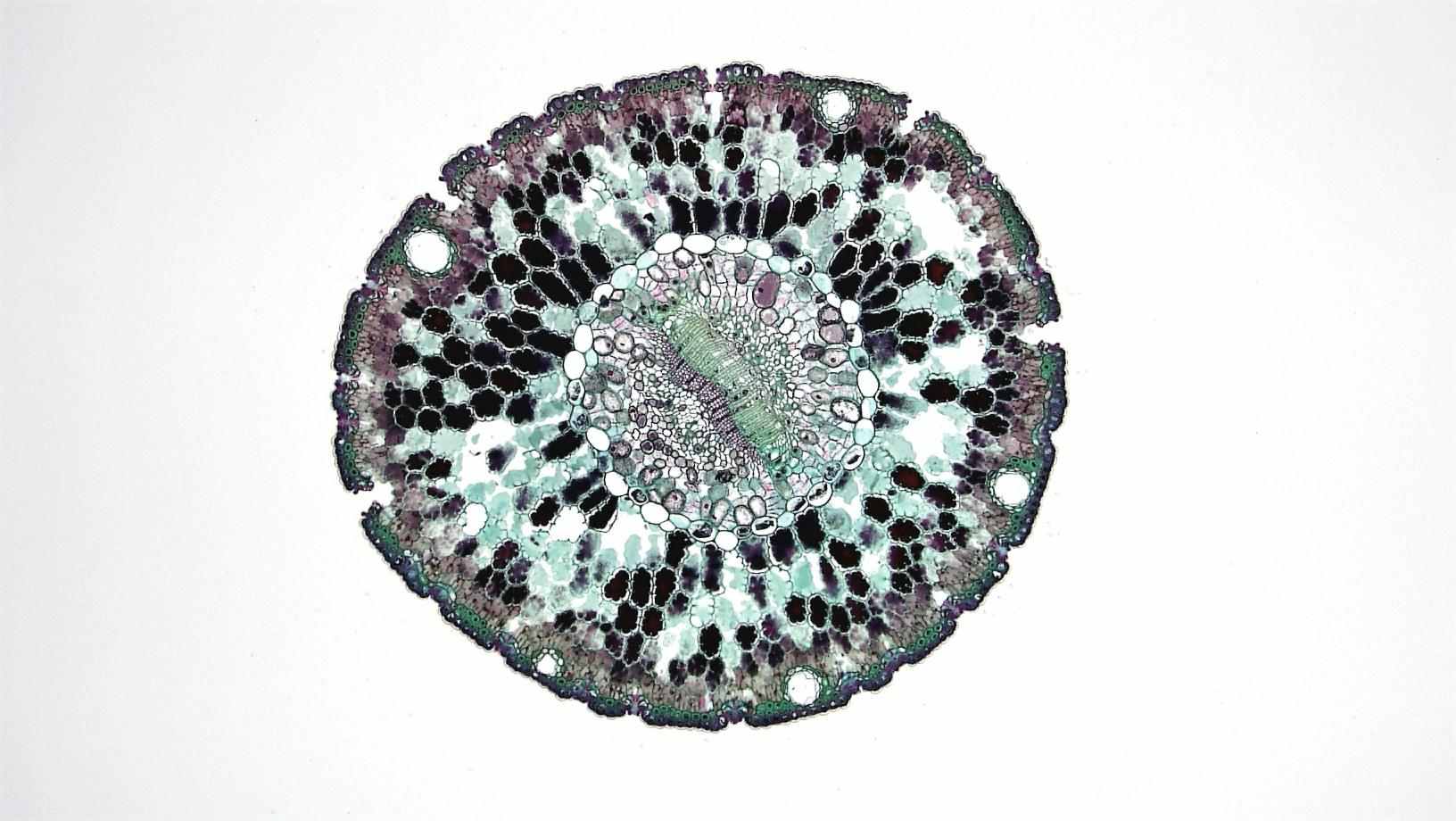
The operational sequence is to assign a stable identifier at receipt, record source and condition, map storage locations, capture aliquots and derivatives, link each use to an experiment, and reconcile inventory after transfers or disposal. Each stage should produce a clear record rather than an informal handoff. Where a scientific judgment is involved, the record should identify the reviewer and explain the basis for the choice instead of storing only a final value.
- Define scope: State the research question, material, system boundary, and intended use of the output.
- Preserve inputs: Keep canonical source files and stable identifiers before analysis or transformation.
- Record decisions: Capture parameters, versions, exceptions, and the reason for material changes.
- Review the result: Check scientific plausibility, completeness, permissions, and handoff readiness.
- Retain context: Link the approved outcome to source data, experiment records, and follow-up work.
Evaluation Criteria for Research Teams
| Review area | What the team should evaluate |
|---|---|
| Primary workflow question | sample traceability workflow |
| Core evaluation dimensions | identifier uniqueness, location granularity, custody history, parent-child relationships, condition events, experiment linkage, and exception handling |
| Primary users | lab managers and bench scientists |
| Important boundary | Sample tracking tools support process control but do not replace biosafety, chain-of-custody, or regulated inventory procedures required by the institution. |
These criteria should be tested with representative work rather than a polished demonstration. A pilot should include one routine case, one exception, and one handoff between roles. That combination reveals whether the workflow can preserve context when the work does not follow the ideal path.
How Zettalab Fits the Workflow
Zettalab is relevant when a team wants scientific files, structured records, and collaboration history to remain connected. For this topic, ZettaNote and ZettaFile is the closest product fit. Its value should be evaluated through workflow continuity and traceability, not through claims that software can replace scientific judgment or automatically satisfy every compliance obligation.
Teams can review Zettalab's research software workspace, compare implementation considerations in the Zettalab guide library, and examine plan information when estimating adoption scope. Plasmid-focused teams may also use the plasmid library as a resource entry point, while still validating sequence provenance and experimental suitability.
Implementation Risks and Boundaries
Sample tracking tools support process control but do not replace biosafety, chain-of-custody, or regulated inventory procedures required by the institution. A software workflow should therefore preserve uncertainty, deviations, and review decisions rather than forcing every observation into a definitive field. Teams should also document export, retention, access, correction, and contract-exit procedures before sensitive or long-lived records depend on the platform.
Adoption should be measured through documentation completeness, retrieval quality, unresolved exceptions, version clarity, and handoff success. These indicators are more defensible than invented productivity percentages because they can be reviewed against actual laboratory work.
FAQ
What information should a research sample record contain?
The practical answer depends on the study objective and the controls around sample traceability workflow. A lab should begin with the biological or operational decision it needs to support, then define the evidence, metadata, and review steps required to make that decision traceable. For lab managers and bench scientists, the most useful evaluation dimensions are identifier uniqueness, location granularity, custody history, parent-child relationships, condition events, experiment linkage, and exception handling. The team should also document assumptions and exceptions instead of treating a software output or form field as self-explanatory. This approach makes the record useful to a reviewer who did not participate in the original work.
How should aliquots and derived samples be linked?
A reliable workflow separates the identity of the source material from the decisions made during analysis or documentation. Teams should retain the original input, record the method and version, identify the responsible reviewer, and connect the final interpretation to supporting files. In the context of how to track samples in a research lab, the sequence should be to assign a stable identifier at receipt, record source and condition, map storage locations, capture aliquots and derivatives, link each use to an experiment, and reconcile inventory after transfers or disposal. Zettalab's ZettaNote and ZettaFile can be evaluated as one way to keep those elements closer to the same research context, but the laboratory remains responsible for scientific review and local governance.
Can a spreadsheet support reliable sample tracking?
The main implementation risk is assuming that consistency can be created by a template or platform alone. Teams need agreed naming rules, ownership, permission boundaries, training, and a method for correcting records without erasing history. They should test the workflow with representative cases, including an exception or failed run, before broad adoption. For sample traceability workflow, reviewers should verify identifier uniqueness, location granularity, custody history, parent-child relationships, condition events, experiment linkage, and exception handling. If the process cannot explain who changed what, why it changed, and which version supported the conclusion, the workflow is not yet sufficiently traceable.
How often should a lab reconcile physical samples with records?
Records should be detailed enough for a qualified colleague to understand the inputs, decision path, and limitations without reconstructing context from personal messages. That normally means preserving identifiers, versions, method settings, responsible roles, linked source files, review outcomes, and deviations. The specific boundary depends on institutional policies and the scientific risk of the work. Sample tracking tools support process control but do not replace biosafety, chain-of-custody, or regulated inventory procedures required by the institution. Teams can use completeness checks, retrieval tests, unresolved exceptions, and handoff quality as review indicators instead of relying on unsupported claims about efficiency or compliance.
Conclusion
How to Track Samples in a Research Lab is best approached as a workflow and evidence problem, not as an isolated feature choice. Research teams should align scope, inputs, identifiers, review roles, and retention before scaling the process. Teams evaluating a connected environment for sample traceability workflow can review the relevant Zettalab workflow options as a practical next step.
Related Articles