Cloning Primer Records: Keeping Overhangs Traceable
A primer overhang record is a structured description of the non-annealing 5′ extension, annealing region, orientation, and design purpose of a cloning primer. Recording only the full oligonucleotide sequence hides which bases bind the template and which bases create a restriction site, overlap, mutation, tag, or other engineered feature.
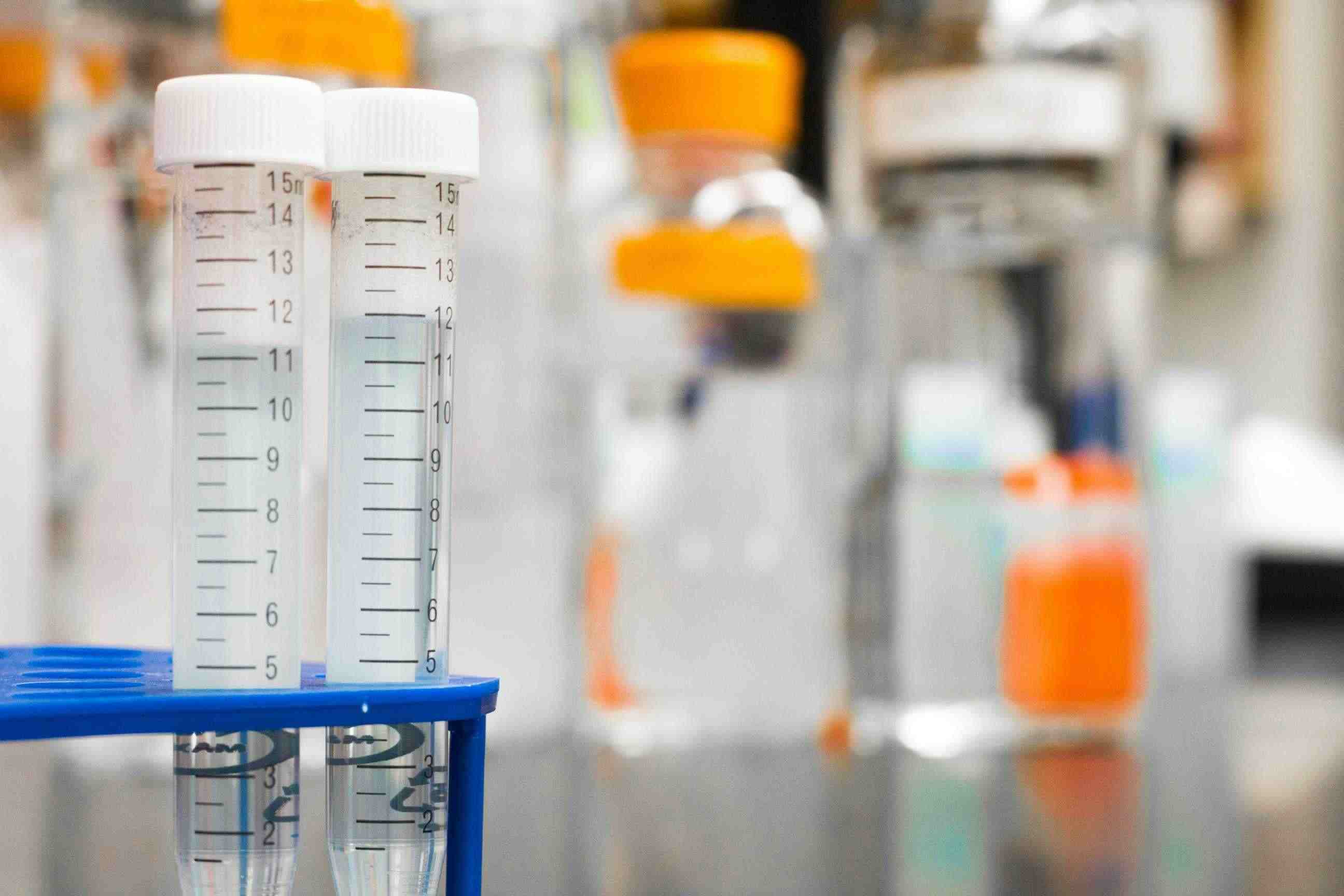
An electronic lab notebook can make that distinction reviewable when primer metadata stays linked to the template sequence, construct version, ordering record, and experiment. This reduces ambiguity during handoffs and helps researchers reconstruct why a primer was designed in a particular way.
Treat the primer as a designed object, not a text string
A cloning primer often contains multiple functional segments. The 3′ region anneals to the template, while the 5′ extension may introduce an assembly overlap, restriction site, spacer, mutation, tag, or regulatory sequence. Thermodynamic calculations may apply primarily to the annealing region rather than the entire ordered oligo, depending on the method and software used.
When the full sequence is stored without segmentation, a later researcher may calculate the wrong melting temperature, use the wrong template coordinates, or copy an overhang into a different construct. A useful record preserves both the exact supplier-facing sequence and the annotated design logic.
Core fields for a traceable cloning primer record
| Field | What to record | Why it matters |
|---|---|---|
| Primer identifier | Stable name or unique ID | Connects design, order, tube, and experiment |
| Full sequence | Exact 5′ to 3′ oligonucleotide submitted for synthesis | Provides the authoritative ordered sequence |
| Annealing region | Template-binding bases, coordinates, and orientation | Supports independent review of amplification |
| 5′ overhang | Extension sequence divided into functional segments | Explains the engineered contribution |
| Design purpose | Restriction cloning, Gibson, Golden Gate, mutagenesis, tagging, or another method | Defines which rules and controls apply |
| Template reference | Sequence file and version used for design | Prevents reuse against an obsolete template |
| Expected product | Construct version and junction created by the primer | Connects the oligo to downstream verification |
| Order and material | Supplier order ID, purification, date, and physical stock ID | Links the digital design to laboratory material |
ZettaGene supports primer design within a molecular biology sequence context, while ZettaNote supports structured experiment records and templates. The Zettalab product overview positions these tools in one workspace, which is relevant when a team wants primer decisions to remain connected to plasmid construction and experimental documentation.
Annotate every functional segment of the overhang
Do not use “overhang” as a single undifferentiated label when the extension contains several parts. For a restriction-cloning primer, the record may separate extra 5′ bases, the recognition site, and any frame-preserving or feature-specific bases. For Gibson Assembly, it may identify the neighboring fragment and exact homologous overlap. For Golden Gate, it may separate the Type IIS site, spacer, and designed sticky end.
Record sequence order and orientation explicitly
All oligonucleotides should be recorded in a consistent 5′ to 3′ orientation. The primer record should state whether it is forward or reverse relative to the template and show the template coordinates used to derive the annealing segment. Avoid relying on informal labels such as “left” and “right” unless the project defines them unambiguously.
Keep design assumptions beside calculated values
A melting temperature without the calculation scope or method is difficult to interpret. Record whether the value applies to the annealing segment or full oligo, the calculation method or software, salt and concentration assumptions when relevant, and the date or version of the design output. The Zettalab primer design guide provides a practical workflow for creating primers from sequence files and using automated primer design for PCR and Gibson Assembly.
Link each primer to a controlled construct version
A primer can remain chemically correct while becoming scientifically obsolete. If the template or expected construct changes, the record must show which version the primer was designed against and whether it remains approved. Editing the sequence in place after an order has been submitted destroys the connection between the digital record and the physical tube.
Issue a new primer identifier or revision when the ordered sequence changes. Mark the previous item as superseded, retain the reason, and link both records to the relevant construct versions. This allows reviewers to understand whether an experiment used the current design or a legacy oligo intentionally retained for comparison.
Connect ordering, receipt, and experimental use
The design record should link to the supplier order, purification level, synthesis scale if relevant, receipt date, resuspension concentration, storage location, and physical stock identifier. These fields do not replace inventory management, but they preserve enough context to distinguish two oligos with similar names or sequences.
Capture the exact primer used in each experiment
An experiment record should reference the primer ID and material lot or stock used, not paste an uncontrolled sequence into free text. For cloning, link the primer pair to the amplification product, assembly design, expected plasmid, and verification results. A connected ZettaGene and ZettaNote workflow can keep the sequence design and ELN context closer together without treating the ELN as a substitute for sequence analysis.
A reusable ELN primer section
- Identity and sequence: Primer ID, exact 5′ to 3′ sequence, orientation, and status.
- Design segmentation: Annealing region, 5′ extension, functional labels, and template coordinates.
- Design rationale: Cloning method, expected junction, assumptions, and software output.
- Material linkage: Order, stock, storage, and preparation details needed for the experiment.
- Verification linkage: Expected product, PCR result, clone identifier, sequencing evidence, and reviewer decision.
FAQ
Should an ELN store the full primer sequence or separate regions?
Store both. The full 5′ to 3′ sequence is the authoritative oligonucleotide submitted to the supplier, while separate fields for the annealing region and 5′ extension make the design reviewable. Functional annotations should identify restriction sites, spacers, assembly overlaps, mutations, tags, or other introduced bases. This structure prevents a later user from treating the entire oligo as template-binding sequence or calculating parameters against the wrong region. The record should also preserve the template coordinates, orientation, construct version, and design method used to create the primer.
How should melting temperature be documented for an overhang primer?
Record the value together with the sequence region used for calculation and the method or software that produced it. For many cloning primers, the 3′ annealing segment drives template binding during the first PCR cycles, while the non-annealing 5′ extension becomes incorporated into later products. Method-specific guidance may calculate or report temperatures differently. Preserve relevant concentration, salt, or additive assumptions when they affect the calculation. A bare temperature value without scope and method is not sufficient for another researcher to reproduce or review the design.
When does a changed primer need a new identifier?
A new identifier or controlled revision is needed whenever the ordered nucleotide sequence changes. This preserves the link between the digital design, supplier order, physical tube, and experiments that used it. Changes limited to a note or corrected metadata may follow the lab's record policy, but they should remain visible in version history. Do not replace an ordered sequence silently. Mark the previous primer as superseded, explain the reason, and link the new primer to the revised construct version so users cannot confuse old and current material.
How do primer records support reproducible cloning?
Primer records connect design intent with the material used at the bench. A complete record shows which template version was used, where the primer anneals, what the overhang introduces, which construct and junction are expected, and which physical oligo was used in an experiment. It also links screening and sequencing results back to the design. This chain helps another scientist repeat the build or diagnose a failure without reconstructing assumptions from email, spreadsheets, and tube labels. Reproducibility depends on both the sequence and the context that explains it.
Conclusion
Primer-overhang documentation should make every base explainable. Preserve the exact oligo, segment the annealing region and extension, capture calculation assumptions, link the primer to a controlled construct version, and reference the physical stock in each experiment. Teams can evaluate ZettaGene and ZettaNote for connected primer design and ELN documentation.
Related Articles