Plasmid Prep: How Scale and Purity Affect Downstream Work
Plasmid prep is often treated as a routine transfer from bacterial culture to purified DNA. In practice, the required scale and quality depend on what happens next. A preparation acceptable for a diagnostic digest or sequencing check may be unsuitable for sensitive transfection, cell-based assays, or another downstream workflow.
Plasmid prep is the cultivation, isolation, purification, and quality assessment of plasmid DNA from a host culture. A reliable workflow connects the physical DNA to a verified construct identity, culture source, purification method, measurements, and intended use.
Choose Prep Scale from the Downstream Requirement
Miniprep, midiprep, maxiprep, and larger-scale labels generally describe increasing culture and recovery capacity, but actual yield and protocol details vary by method and manufacturer. Select the scale based on required amount, number of constructs, expected copy behavior, and quality specifications rather than the label alone.
A screening workflow may begin with several small preparations to confirm clone identity, then expand one verified clone for higher-volume work. Scaling an unverified colony increases the cost of discovering a wrong insert, rearrangement, or mixed culture later.
| Downstream use | Primary question | Common release checks |
|---|---|---|
| Restriction analysis | Is the recovered construct consistent with the expected map? | Concentration, digest pattern, sample identity |
| Sanger sequencing | Is the target region readable and correct? | Template amount, cleanliness, primer and construct match |
| Assembly or cloning | Will the DNA support the next enzymatic step? | Identity, integrity, concentration, buffer compatibility |
| Transfection | Is the preparation suitable for the selected cells and reagent? | Identity, concentration, purity, endotoxin specification where required |
| Long-term stock | Can the material be recovered and traced later? | Verified clone, storage location, linked glycerol stock |
Culture Conditions Influence Recovery
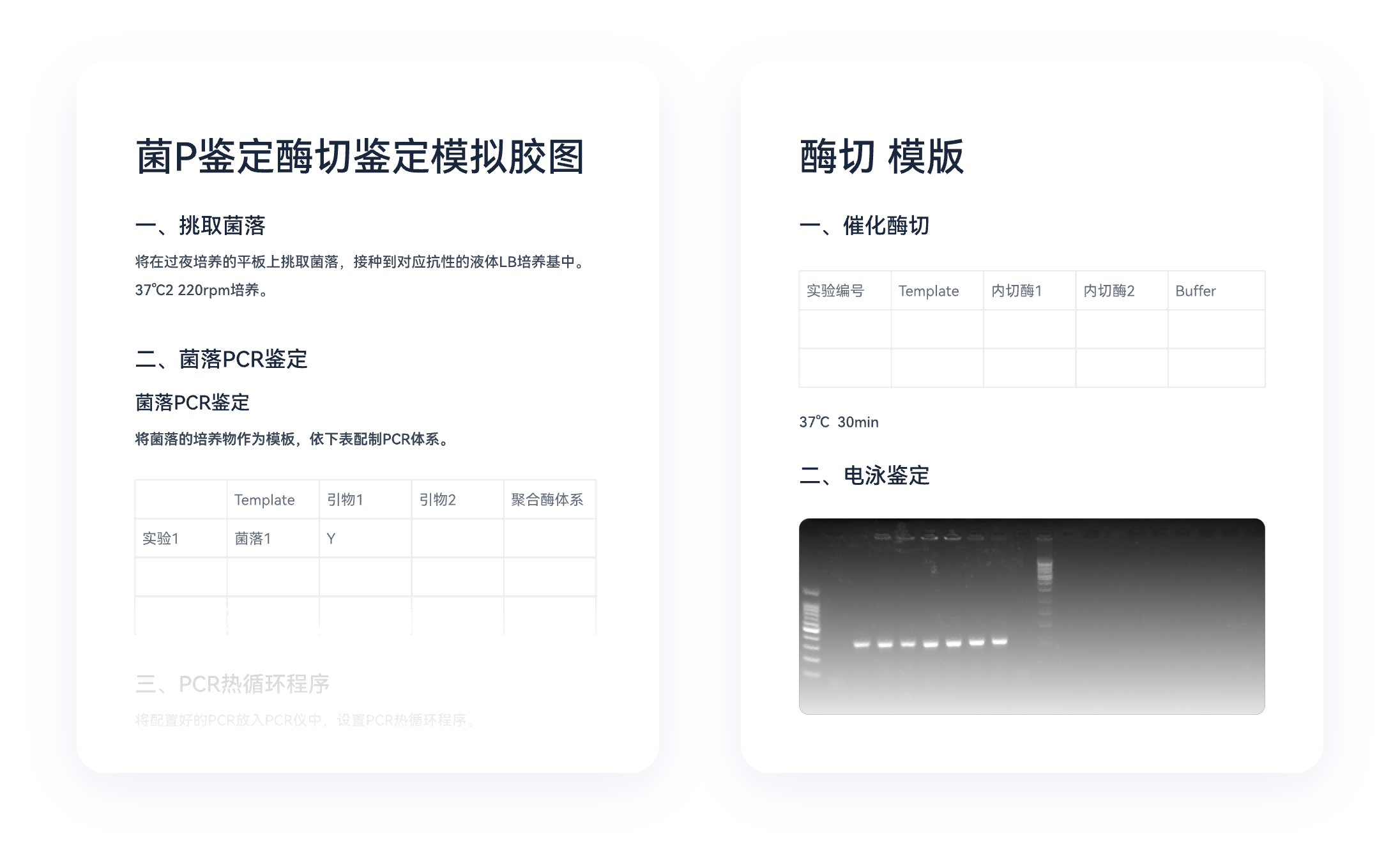
Plasmid copy behavior, host strain, insert stability, antibiotic selection, inoculum source, medium, vessel, aeration, temperature, and harvest time can affect yield and integrity. Some constructs impose a burden or contain repetitive or unstable elements that require a more cautious propagation strategy.
Record the exact colony or stock used to start the culture. A tube labeled only with the plasmid name cannot show whether two preparations came from the same verified clone or from separate isolates with different sequence results.
Alkaline Lysis Separates Plasmid DNA from Cellular Material
Many plasmid purification methods use alkaline lysis followed by neutralization and separation of precipitated genomic DNA, proteins, and cell debris. Handling matters: incomplete resuspension can reduce consistency, while excessive mechanical mixing after lysis can shear genomic DNA and increase contamination.
Binding, washing, and elution steps then depend on the selected column, membrane, precipitation, or kit-free method. Follow the validated protocol for buffer volumes, timing, centrifugation, and capacity. A general article should not override kit-specific instructions.
Purity Measurements Need Context
Absorbance can estimate nucleic-acid concentration and provide ratios associated with contamination, but ratios alone do not confirm plasmid identity, topology, functional suitability, or absence of specific contaminants. Very low concentrations and buffer composition can also make measurements less reliable.
Fluorescence-based assays can offer more selective DNA quantification, while gel electrophoresis can reveal integrity and topology patterns. The right combination depends on the downstream use. Sensitive cell-based work may require a defined endotoxin specification and preparation method, but “endotoxin-free” should refer to an established process or measured criterion rather than a casual label.
Verify Construct Identity Before Release
A digest can test size and map consistency, PCR can confirm a region or junction, and sequencing can resolve the nucleotide sequence within its coverage. These methods answer different questions. Select verification based on the risk of wrong orientation, point mutation, rearrangement, or backbone error.
ZettaGene can support plasmid-map review, sequence comparison, and primer planning. Researchers can also use the Zettalab Plasmid Library as a resource entry point, while availability, licensing, experimental suitability, and sequence verification should still be checked for the intended work.
Connect the Prep to Its Source and Downstream Use
Record the construct version, clone, bacterial stock, culture conditions, prep method and lot, operator, date, yield, concentration method, purity results, storage location, and release decision. Link the preparation to digest images, sequencing files, transfections, assemblies, or other experiments that consumed it.
- Assign a unique identifier to each physical preparation.
- Keep measured concentration separate from nominal concentration.
- Record aliquots and freeze-thaw or handling constraints where relevant.
- Retain failed preparations and corrective actions in the project history.
- Do not silently replace a construct file after new sequence evidence appears.
Zettalab Academy workflows can help connect molecular designs, preparation records, files, and team review without treating a plasmid filename as the complete identity.
Frequently Asked Questions
What is the difference between a miniprep and a maxiprep?
The terms generally indicate different culture volumes and DNA recovery scales. A miniprep is commonly used for screening clones, diagnostic analysis, or sequencing preparation, while a maxiprep supports larger downstream DNA requirements. Exact yields, capacities, and procedures vary by kit, plasmid, host, and culture. Scale does not by itself define purity or suitability. A larger prep can amplify the consequences of starting from the wrong clone, so confirm identity before expansion. Choose the method by required amount, quality specification, number of constructs, and downstream sensitivity, then follow the specific protocol rather than assuming all products with the same scale label are interchangeable.
Can purity ratios prove that plasmid DNA is ready for transfection?
No. Absorbance ratios can indicate some forms of contamination, but they do not prove construct identity, sequence correctness, supercoiled fraction, biological activity, sterility, or endotoxin level. Transfection suitability depends on the cell system, reagent, DNA amount, buffer, and quality requirements. Use a preparation method intended for the application and define release checks in advance. Depending on the workflow, those checks may include concentration, integrity, identity, sequence verification, and an endotoxin specification. Interpret ratios with the measurement concentration and buffer because technical effects can distort them.
Why is plasmid prep yield low?
Low yield can arise from poor culture growth, incorrect antibiotic selection, a low-copy or unstable construct, unsuitable host strain, incomplete resuspension or lysis, overloaded purification capacity, inefficient binding, excessive washing, or incomplete elution. First confirm the culture identity and growth conditions, then review the method step by step. Avoid increasing culture volume beyond a system's capacity without changing the purification scale. Compare expected and measured copy behavior cautiously, because insert toxicity or recombination can alter the recovered population. Document the troubleshooting variable so repeated attempts produce interpretable evidence rather than several incomparable preparations.
How should plasmid identity be verified after purification?
Use methods matched to the possible failure. A restriction digest can test overall map consistency, colony or plasmid PCR can confirm selected regions or junctions, and sequencing can verify nucleotide identity within covered regions. For a newly assembled or high-risk construct, sequence coverage may need to include the complete insert and relevant junctions or more. Compare results with a versioned expected sequence, not an unlabeled file. Retain the raw gel or sequence file, primer information, clone and prep identifiers, and reviewer decision so the verified physical DNA remains linked to the design used in later experiments.
Conclusion
Plasmid prep quality depends on selecting the right scale, controlling culture and purification, measuring what matters, and verifying construct identity. Traceable records keep the preparation connected to its clone and downstream results. To explore a linked plasmid-design and experiment workflow, contact Zettalab.
Related Articles