Plasmid Map Software for Shared Review: How to Shortlist
Plasmid map software used for shared review is software — or a named sharing model — that can put one map in front of a second person before anyone orders oligos. Shortlist it by that review job: a canonical map, comments that stay on the map, a permission or file rule, and an annotated export. Do not rank it. What a collaborative plasmid workspace has to share already names the contract. The design-review workflow already names the checks. This page only asks which options can host the review.
Shortlist by the Review Job, Not a Rank
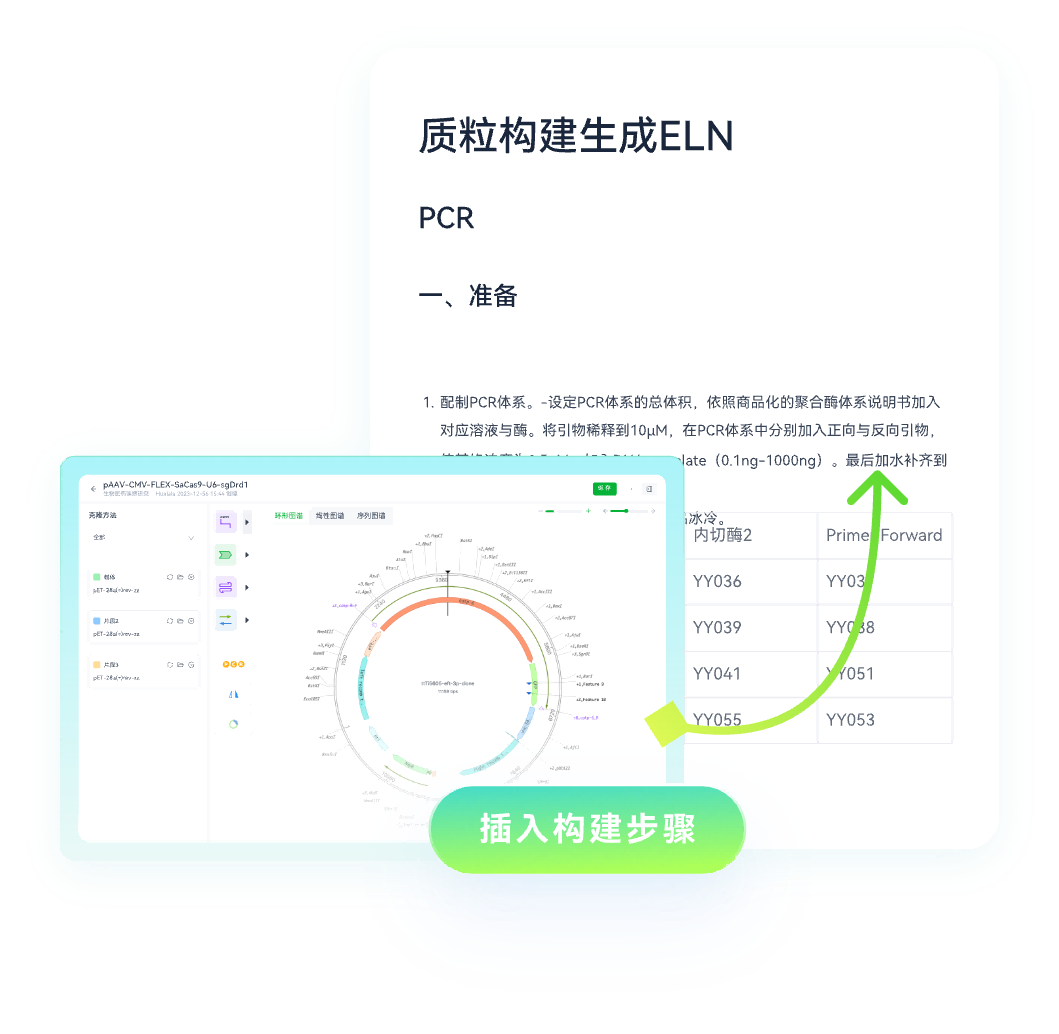
The bottleneck here is review, not design. A tool that draws a beautiful ring and still forces the PI to mark up a PDF is out of scope. Search results for this seed are mostly SnapGene-versus-Benchling pair pages and year-stamped catalogs. Those pages answer "which names are in circulation?" This page answers "can a reviewer open the same map, leave a note, and leave without a writable copy?"
A rank is not a method. The workspace definition is not a software list. The SOP is not a vendor demo. Keep those jobs on the pages that own them.
Inclusion Criteria Before Any Names
An option appears below only if a citable source or a named category contract shows a path to all four of the following.
- A canonical map: one object, or one written file rule that names the live file.
- Comments or annotations that can sit on that map, not only in a chat thread.
- Permissions on the object, or an honest file-rule substitute the lab actually keeps.
- An annotated export the next tool can reopen.
Screenshot-only shares, unlabeled email attachments, and map viewers that cannot export features are excluded. Inclusion is not an endorsement rank. A shared drive qualifies as a category because some vendors document file-or-drive collaboration. It can still fail the workspace contract. A paid suite can fail if comments detach from the sequence.
The Same Dimensions Across Options
Read the table across, not down. Row order is category, not rank.
| Option | Canonical map | Comments | Permissions | Export | Honest limit |
|---|---|---|---|---|---|
| SnapGene plus Viewer | The .dna or exported file is the object | Viewer mode can view, annotate, and share | Full design seats versus free Viewer; expiry also reverts to Viewer | Common annotated formats, including GenBank | Comments still travel with a file unless the lab adds a store |
| Shared drive or file handoff | Only if a written canonical-file rule is kept | Notes in the file, or comments that detach into email | Folder ACLs; email bypasses them | Whatever the editor exported into the folder | Copies fork; this is a category, not a product winner |
| Cloud workspaces (Benchling and/or ZettaGene) | The construct is a workspace object | Annotations live on the shared map | Read and write rules on the object | Confirm annotated export in a pilot | Connectivity required; this row is a category, not two winners |
Three options are enough to shortlist. Adding more names without a new review dimension would recreate the generic catalog this page is not.
Options That Can Host a Shared Review
Each option below can put a map in front of a second person. They differ on whether the map is a file, a folder rule, or a workspace object. Treat them as category alternatives as much as substitutes. A lab can keep Viewer for read-only colleagues and add a workspace later; that is a deployment move, not a rank.
SnapGene Plus Viewer
SnapGene Viewer is the inclusion basis for the share path: Viewer mode lets colleagues view plasmid maps, annotate features, and share sequences without the unrestricted product. Sequence editing, alignment, and cloning simulation stay on the paid seat. SnapGene's feature list documents richly annotated maps and export to common formats, including GenBank. The pricing FAQ adds that an expired subscription also reverts to Viewer.
Fit: a cloning desk that already designs in SnapGene and needs reviewers who should not simulate. Limit: the canonical map is still a file. If two people edit two copies, you have two maps. Viewer solves the seat problem. It does not invent a live object.
Shared Drive or File Handoff
A shared drive is included because SnapGene itself documents working collaboratively with sequences stored on sharable drives, servers, or cloud services. That is a documented sharing model, not a straw man. It is also not a workspace. The definition page already walks the three failures: copies fork, folder permissions are coarse or bypassed, and the folder cannot name the next owner.
Fit: one person owns the maps, reviews are rare, and a written canonical-file rule is actually kept. Limit: the week a second person edits the attachment, the drive becomes a search. Inclusion records the model. It does not promote the drive into a workspace, and it does not make the drive a ranked alternative to a browser object.
Cloud Workspaces for a Live Map
A cloud workspace belongs on the shortlist when the reviewer must open the live map under a read-or-write rule, not when a ranking needed a third logo. Benchling's molecular biology page documents browser plasmid or linear maps, annotations, collaboration, version history, and permissions controls. After the category is named, ZettaGene is the other documented example on this row: visualization and editing, annotations for restriction sites, ORFs, and primers, team synchronization, and read and write access levels. Those are two products in one category, not two ranked places.
Fit: teams that fail on identity — the same backbone opened by two people without forking a filename. Limit: connectivity is a dependency, and you must still confirm that a review comment stays on the map in a pilot. ZettaGene is an included example, not the subject of the listing. The SOP still has to be signed by a person; the window does not replace the hold-or-order line.
Finish With a Shortlist Method
Write one sentence: must the reviewer comment on the live map, or is a dated file enough? Drop any included option that fails that sentence. Take one real construct through each remaining option. Keep the tools that return a map a second person can mark without creating a second canonical copy. Two names can stay. That is a shortlist.
Do not convert the leftover names into a numbered rank. If the leftover question is the share contract, go back to the workspace definition. If the leftover question is frame, junctions, unique sites, primers, and sign-off, go to the design-review SOP. None of those next pages is a trophy ceremony.
Frequently Asked Questions
What counts as plasmid map software for shared review on this page?
Software or a named sharing model that can put one map in front of a second person with a comment path, a permission or file rule, and an export. A screenshot in chat is out. The inclusion test is the review job, not the marketing category.
Why is a shared drive on this shortlist?
Because many labs already review maps that way, and SnapGene documents file-or-drive sharing. Inclusion records the model. It does not promote the drive into a workspace, and it does not hide the forking failure.
Is this the same page as the collaborative plasmid workspace definition?
No. That page names the share contract — live map, access rule, next owner. This page shortlists software that can host a review. Use the definition when you need the objects. Use this page when you need names on a sheet.
Does shortlisting review software replace a design-review SOP?
No. Software hosts the map. The SOP decides frame, junctions, sites, primers, host fit, and sign-off. A window is not a signed hold-or-order line. Pick the host here; run the checklist there.
Related Articles