Lab Sample Management: Chain of Identity from Sample to Result
Lab sample management is not only a freezer map. A sample changes identity and context as it is received, processed, divided into aliquots, transformed into derivatives, used in experiments, moved between locations, and finally retained or disposed. If those events are disconnected, the result may no longer be traceable to the material tested.
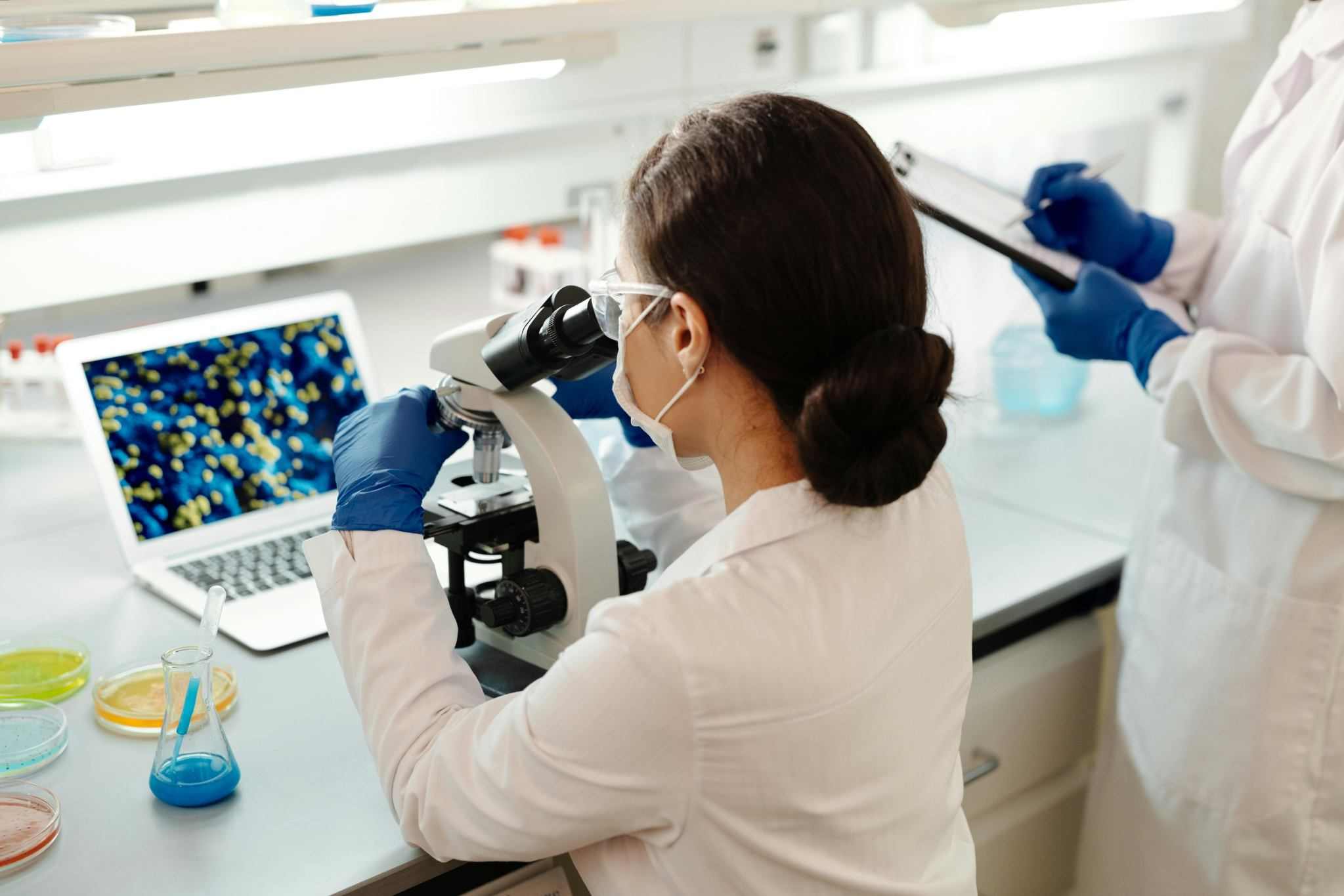
Lab sample management is the controlled recording of sample identity, lineage, location, status, handling, and links to experimental results. The right level of control depends on the research model, sample risk, throughput, collaboration pattern, and applicable procedures.
Start with a Stable Chain of Identity
Every sample needs a unique, durable identifier that does not depend on a mutable location or informal name. Human-readable labels can support daily work, but the system should distinguish samples that share a project, material type, subject, construct, or date.
The identifier must remain visible across labels, tubes, plates, files, instrument exports, and experiment records. If users retype it in several systems, transcription errors and duplicate identities become more likely. Barcodes can reduce manual entry, but only when label materials, scanners, and workflows fit storage conditions and bench practice.
Model the Complete Sample Lifecycle
Define the states a sample can enter and the events that change those states. Examples include planned, received, quarantined, available, reserved, in use, depleted, failed, returned, archived, and disposed. Use terms that support real decisions instead of creating an elaborate status list that users cannot apply consistently.
| Lifecycle event | Minimum record | Decision supported |
|---|---|---|
| Receipt or creation | Source, date, material type, owner, initial status | May the sample enter use? |
| Aliquot or derivative | Parent-child relationship, method, quantity | Which source produced this material? |
| Movement | From, to, time, operator | Where should the sample be? |
| Use | Experiment, amount, condition, operator | Which sample contributed to this result? |
| Disposition | Reason, date, authorization where required | Why is the sample no longer available? |
Preserve Sample Lineage and Transformations
A parent sample can produce aliquots, extracts, libraries, clones, cell pellets, purified products, or other derivatives. Each child should have its own identity while retaining a link to its parent and the process that created it. Copying the parent name into free text is not enough for complex lineages.
Lineage matters during investigation. If a sequencing library fails, the team may need to trace back through library preparation, nucleic-acid extraction, source specimen, storage events, and quality measurements. A graph of relationships is more reliable than reconstructing the path from filenames.
Track Location, Quantity, and Condition at the Right Granularity
Location may include site, room, freezer, shelf, rack, box, and position. The required level depends on sample volume and operational risk. Quantity should specify unit and measurement method, while concentration, volume, freeze-thaw count, storage temperature, expiration, or stability window may be material for some sample types.
A highly detailed schema is ineffective if routine movements are not recorded. Pilot the workflow at the bench, measure how many steps an operator must take, and assign responsibility for reconciliation. Physical labels and digital records need to remain consistent during normal work, not only during audits.
Connect Samples to Experiments and Results
The sample record should identify which experiments used it, while the experiment record should reference the exact sample or aliquot. Raw files and result tables should carry stable identifiers or a controlled mapping. This creates a chain from material to procedure to data to conclusion.
ZettaNote and ZettaFile can support experiment records, project files, permissions, and collaboration around research samples. They should not be presented as a universal LIMS or inventory replacement unless the specific implementation has been verified for the required sample, storage, custody, and transaction controls.
Distinguish Chain of Identity from Chain of Custody
Chain of identity establishes what the material is and how it relates to source and derivatives. Chain of custody records who possessed or controlled it, when, and under what transfer. Some research workflows need strong identity without formal custody records; regulated, clinical, or sensitive workflows may require both.
Define the level of attribution, timestamps, signatures, permissions, and review based on applicable requirements. Avoid claiming that a generic digital record automatically satisfies every regulatory or quality framework.
Use Governance to Keep the System Accurate
Establish naming conventions, required fields, duplicate handling, label replacement, status ownership, location audits, access control, data export, and correction procedures. Review exception trends such as missing samples, empty positions, unlinked files, and overdue dispositions.
The Zettalab Academy can help teams structure research documentation around real workflows. Governance should remain proportionate: a discovery lab and a clinical biorepository will not use identical controls.
Frequently Asked Questions
What information should a lab sample record contain?
Core fields commonly include a unique identifier, sample type, source, owner, project, creation or receipt date, status, quantity and unit, storage condition, location, and relevant expiration or stability information. Add parent-child lineage, processing history, freeze-thaw count, consent or subject metadata, hazard information, or custody events when required by the material and workflow. The record should also link to experiments and result files without duplicating uncontrolled copies. Required fields should be defined by sample type so users capture information that supports decisions rather than filling a single oversized form with placeholders.
What is the difference between sample management and inventory management?
Sample management focuses on biological or analytical samples, their lineage, status, processing, storage, use, and links to results. Inventory management often focuses on materials such as reagents, kits, consumables, compounds, lots, quantities, and replenishment. The categories overlap because samples are physical inventory and reagents influence experiments. The practical distinction is the primary workflow: sample management asks what this material is, where it came from, what happened to it, and which results depend on it; inventory management often asks what is available, where it is stored, and when it must be reordered.
How should aliquots and derived samples be tracked?
Give each aliquot or derivative its own identifier and preserve a structured parent-child relationship to the source. Record the method, date, operator, quantity, and relevant conditions that created the child. Do not reuse the parent identifier for several physical tubes, because location, freeze-thaw history, consumption, and test results can diverge. For multi-step workflows, connect each derivative to the process and intermediate material. This lineage allows an unexpected result to be traced backward and helps the team identify other outputs that may share the same source or processing event.
Does a research lab need a LIMS for sample management?
Not always. A small exploratory lab may manage a bounded sample collection with structured identifiers, storage records, experiment links, and clear procedures. A high-throughput service laboratory or workflow with formal queues, accessioning, custody, instrument integration, and controlled test states may benefit from a LIMS. Evaluate representative sample lifecycles and required controls instead of choosing by category name. The system must remain usable at the bench, support necessary traceability and exports, and integrate with experiment records without forcing teams to duplicate the same identity in several places.
Conclusion
Effective lab sample management preserves identity, lineage, location, status, custody where needed, and the connection from sample to result. The best workflow is detailed enough to support investigation and simple enough to stay current. To discuss connecting sample context with research records and files, contact Zettalab.
Related Articles