Genomic DNA Extraction Protocol: What to Record for Reuse
A genomic DNA extraction protocol must do more than produce a measurable amount of DNA. It should recover DNA of suitable integrity and purity from a defined sample for a defined downstream method. Sample history, processing choices, and quality evidence determine whether the extracted material can be understood and reused later.
Genomic DNA extraction is the process of releasing DNA from biological material, separating it from cellular components and inhibitors, and recovering it in a form suitable for storage or downstream analysis. The method should be selected for the sample, required DNA characteristics, throughput, and intended application.
Common Stages of a Genomic DNA Extraction Protocol
| Stage | Purpose | Variables to record |
|---|---|---|
| Sample preparation | Create a defined input for processing | Sample type, amount, collection, storage, condition, pretreatment |
| Lysis | Disrupt cells or tissue and release DNA | Mechanical or chemical method, reagents, time, temperature |
| Separation | Remove debris, proteins, lipids, and other components | Method, phase or binding step, centrifugation or handling conditions |
| Wash and purification | Reduce salts, inhibitors, and unwanted molecules | Wash sequence, reagent lots, carryover risks, deviations |
| Elution or resuspension | Recover purified DNA | Buffer, volume, conditions, tube identifier |
| Quality control | Assess fitness for intended use | Yield, concentration, purity or integrity evidence, acceptance decision |
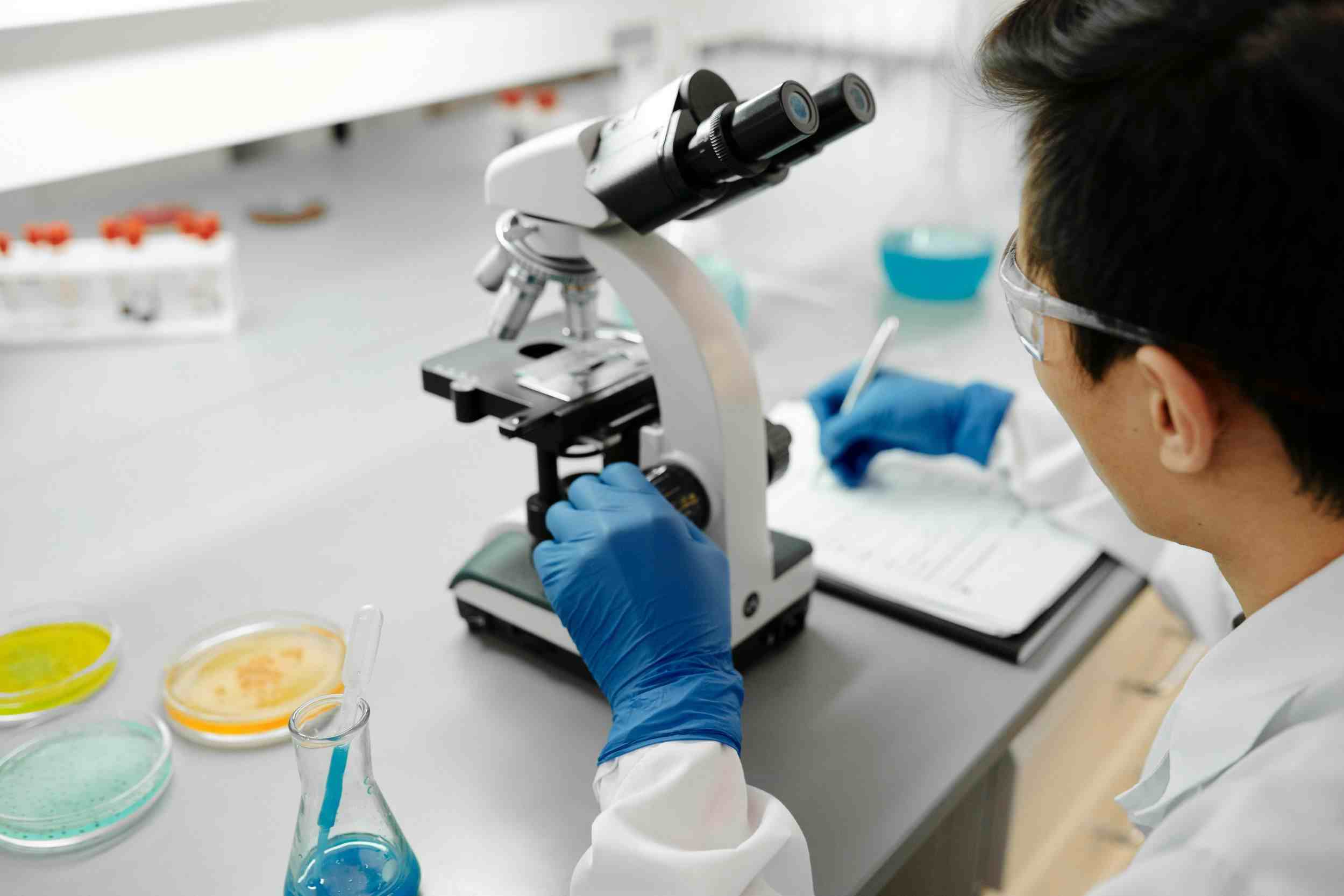
Commercial kits, organic extraction, salting-out, magnetic beads, and other approaches implement these stages differently. Follow a validated, sample-appropriate procedure and applicable safety information rather than treating a general workflow as a substitute for an operational protocol.
Start With Sample and Downstream Requirements
Record the biological source, collection method, starting amount, storage duration, freeze-thaw history, and any preservative or pretreatment. Plant tissue, blood, cultured cells, microorganisms, and formalin-fixed material present different barriers and inhibitors. A method optimized for one source may perform poorly with another.
Define what the DNA will be used for. Routine PCR may tolerate characteristics that are unsuitable for long-read sequencing, high-molecular-weight applications, library preparation, or sensitive enzymatic reactions. The acceptance criteria should be tied to that next step rather than to a universal purity number.
Control Lysis, Purification, and Elution
Lysis and protection
Lysis must be sufficient to release DNA while limiting degradation and unwanted shearing when high molecular weight matters. The balance depends on tissue structure, cell type, mechanical treatment, enzymes, detergents, temperature, and handling. Record deviations such as incomplete homogenization or extended incubation because they may explain later results.
Purification and inhibitor removal
Purification separates DNA from proteins, lipids, salts, polysaccharides, phenolic compounds, and other inhibitors. Binding capacity and sample load can matter in column or bead methods. Thorough washing may reduce contamination, while poor removal of wash solution can introduce carryover. The relevant risk depends on sample chemistry and downstream assay.
Elution and storage
Elution volume affects concentration and recovery. Buffer choice and handling should fit the downstream workflow. Assign a stable extract identifier, label aliquots clearly, and record storage location and freeze-thaw history. If the extract is divided, preserve the relationship between the parent extraction and every child tube.
Evaluate DNA Quality for Its Intended Use
Concentration measurements, absorbance ratios, fluorescence-based assays, gel images, and fragment analysis provide different information. No single measurement captures yield, purity, and integrity completely. Review blanks, standards, instrument method, dilution, and sample-specific interference before accepting a value.
The result record should state whether the extract met the criteria for its intended application and what happened next. If a sample fails, preserve the evidence and decision to re-extract, repurify, dilute, or exclude it. ZettaNote and ZettaFile can help organize protocols, sample-linked experiment records, quality outputs, and project files, while ZettaGene can maintain the sequence context used in downstream molecular work.
A Minimum Reusable Extraction Record
- Source sample identifier, type, amount, collection, condition, and storage history.
- Protocol name and version, kit or method, reagents and relevant lots.
- Actual processing conditions and deviations from the protocol.
- Extract and aliquot identifiers, volumes, buffers, and storage locations.
- Raw quality-control files, calculations, and instrument information.
- Intended downstream use, acceptance criteria, result, and disposition.
For related documentation practices, see the Zettalab guides. Researchers planning sequence or cloning work can also use the Plasmid Library as a discovery resource, with independent verification of sequence and suitability.
Frequently Asked Questions
What are the main steps in genomic DNA extraction?
Most workflows include sample preparation, cell or tissue lysis, separation of DNA from debris and other cellular components, purification or washing, elution or resuspension, and quality assessment. The reagents and operational details differ substantially by sample type and method. Some protocols use columns or magnetic beads, while others use precipitation or phase separation. A safe and effective procedure should come from a validated laboratory method or manufacturer instructions. The general stages help organize records but should not be treated as universal bench instructions.
How do I choose a genomic DNA extraction method?
Choose according to sample type, starting amount, throughput, required DNA length, downstream application, available equipment, safety constraints, and acceptable hands-on time. Consider known inhibitors in the sample and whether the method provides enough purity and integrity for the next assay. Evaluate recovery and consistency with representative samples rather than relying only on a headline yield. If the downstream use changes, reassess the method and quality criteria. A procedure suitable for routine amplification may not preserve the DNA characteristics needed for another application.
What quality checks are needed after DNA extraction?
Quality checks should match the intended use and may include concentration, total yield, purity indicators, integrity assessment, and a functional test. Absorbance, fluorescence, gel electrophoresis, and fragment-analysis methods answer different questions and can be affected by contaminants or measurement conditions. Record the instrument, method, dilution, blank, raw result, and calculation. Define acceptance criteria before reviewing samples when possible. A high concentration alone does not show that DNA is intact, free of inhibitors, correctly identified, or suitable for a particular downstream process.
What information makes an extracted DNA sample reusable?
Future users need the source sample and its history, the extraction protocol and version, relevant reagent lots, actual processing conditions, deviations, quality evidence, storage buffer, location, and freeze-thaw or aliquot history. They also need to know the original intended use and whether the sample met those criteria. Stable identifiers should connect the source, extraction batch, aliquots, and downstream experiments. Without that chain, a tube may contain DNA but lack enough context for a defensible decision about using it again with confidence.
Conclusion
A genomic DNA extraction protocol should be selected for the sample and downstream question, then documented from source material through lysis, purification, elution, quality review, and storage. Reusable DNA is both physically suitable and contextually traceable. Recording unsuccessful or qualified extracts is as important as recording accepted ones. To connect extraction records, sequence work, and project files in a shared research environment, contact Zettalab.
Related Articles