experiment record template software
Experiment record template software is a digital system that helps labs create, reuse, standardize, review, and search structured experiment records across research workflows. The right software supports documentation quality without forcing scientists to manage templates manually in disconnected files.
For molecular biology and biotech teams, template software should do more than store notes. It should connect records with project files, sequence context, attachments, permissions, and review history so experiments remain understandable after the work moves to the next person or project stage.
What Experiment Record Template Software Should Do
Good experiment record template software turns documentation standards into everyday workflow. Researchers should be able to start from an approved template, fill in experiment-specific fields, attach evidence, capture deviations, and submit records for review without rebuilding the structure each time.
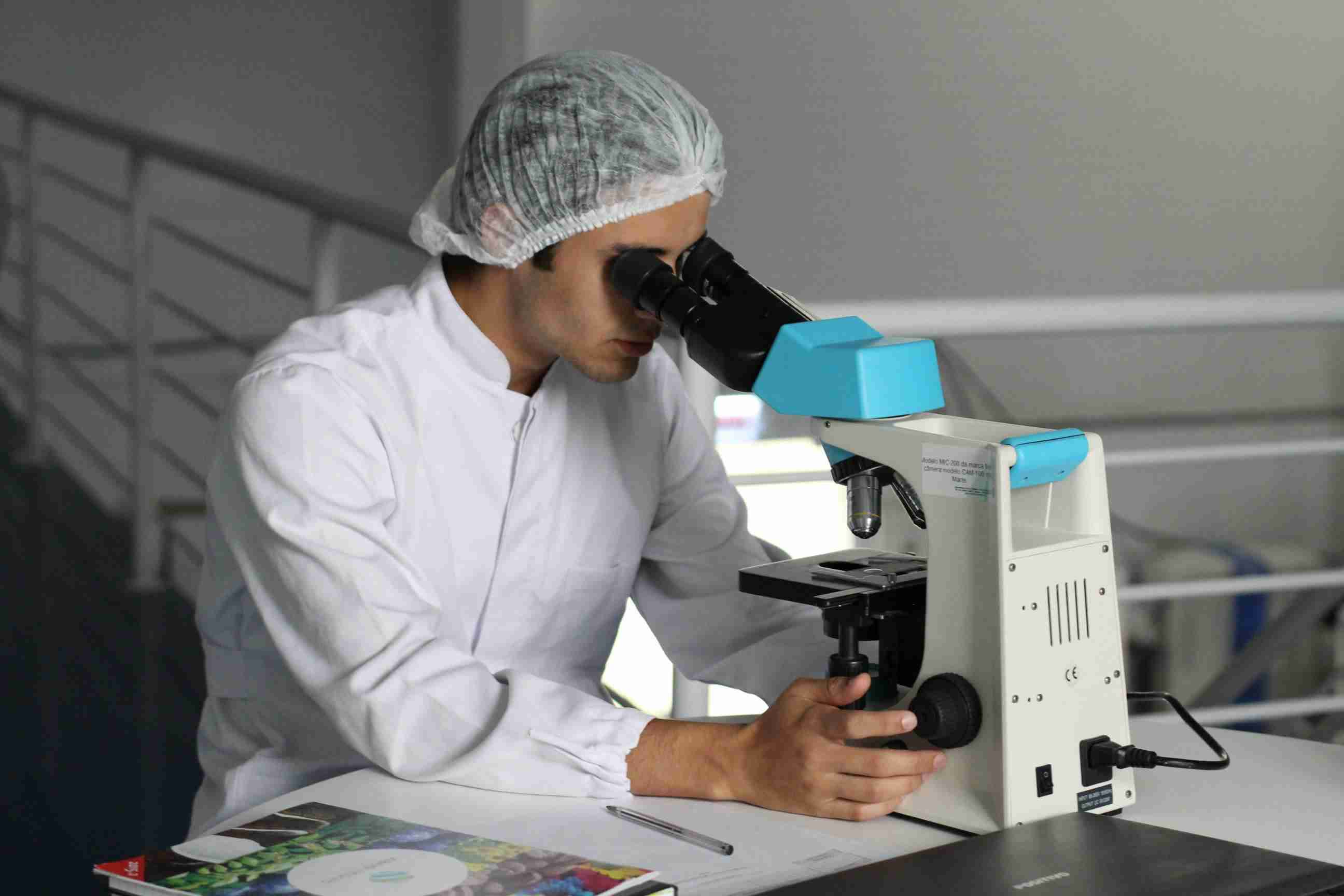
The software should also help teams manage template versions. If researchers keep copying old documents, editing local versions, or storing templates in shared folders, the lab may lose consistency even when the template itself is well designed.
| Software Capability | What It Supports | Why It Matters |
|---|---|---|
| Reusable templates | Approved structures for recurring experiment types | Reduces inconsistent record formats across the team |
| Structured fields | Sample ID, construct, protocol, status, reviewer, project | Makes records easier to search, filter, and compare |
| File attachments | Raw data, images, sequence files, analysis outputs | Keeps evidence close to interpretation |
| Review workflow | Comments, status, approval, issue resolution | Clarifies whether records are ready for reuse or handoff |
| Permissions | Project-based access, editing rights, export control | Protects sensitive research and supports team governance |
Why Generic Document Tools Often Fall Short
Generic document tools can provide headings and shared editing, but they usually do not manage experiment metadata, structured fields, review status, controlled templates, or connections to lab files in a research-specific way. As teams grow, these gaps become more visible.
The common problem is not that generic documents cannot hold information. The problem is that they do not enforce or support the relationships that make records traceable: which protocol version was used, which files support the conclusion, who reviewed the record, and whether the record is final.
When a Document Template Is Still Enough
A simple document template may be enough for a small team doing informal exploratory work with low handoff pressure. Once records need consistent identifiers, attached evidence, review status, template ownership, or search across many projects, dedicated ELN-style software becomes more appropriate.
Software Criteria for Molecular Biology Teams
Molecular biology teams should evaluate whether software can keep experiment records connected to design files and validation evidence. A cloning record, for example, may require links to a vector map, insert sequence, primer set, gel image, sequencing result, and final interpretation.
Zettalab's molecular biology and ELN workspace is relevant when teams want sequence tools, project files, experiment records, and collaboration features in one environment. The workflow value comes from reducing the distance between design, bench execution, documentation, and review.
| Evaluation Area | Questions to Ask | Relevant Lab Scenario |
|---|---|---|
| Template control | Can the team create approved templates and retire old ones? | Standardizing PCR, cloning, or assay records |
| Data context | Can records reference sequence files, images, and analysis outputs? | Connecting plasmid design with verification data |
| Search and retrieval | Can records be found by sample, construct, project, or status? | Reviewing past designs before repeating work |
| Collaboration | Can reviewers comment and resolve issues in the record? | Supervisor review or cross-team handoff |
| Export and retention | Can records be exported for reporting or archiving? | Project summaries, audits, or external collaboration |
How ELN Software Supports Template Governance
Template governance means deciding who can create templates, who can modify them, which version is current, and when a template should be retired. Without governance, teams may accumulate duplicate or outdated templates that make documentation inconsistent.
ZettaNote is relevant when labs need reusable experiment records, annotations, file references, and permission-aware collaboration. It helps position templates as shared research assets rather than static files copied from one project to another.
Template Ownership Should Be Clear
Each template should have an owner who understands both the science and the documentation requirements. Owners can review feedback, update fields, archive outdated versions, and make sure the template still reflects the workflow. This is especially important for platform teams and biotech startups where processes change quickly.
Review Workflows and Record Status
Experiment record template software should support record status because saved records are not always final. A record may be draft, ready for review, reviewed with comments, approved, rejected, or reopened. Status fields help teams know whether the record can be used for downstream decisions.
Review workflows should be practical. For discovery work, a lightweight comment and status process may be enough. For GLP-ready or audit-sensitive work, teams may need clearer review ownership, timestamps, export controls, and documented issue resolution.
Review Should Improve Records, Not Slow the Lab
The software should make review easier by keeping comments, evidence, and record status in one place. If review happens in email or chat while the record stays elsewhere, teams may lose the reasoning behind the final decision.
Implementation Considerations Before Choosing Software
Before choosing software, labs should map their current record types and identify where templates fail today. Common issues include missing identifiers, duplicated templates, poor file attachment context, unclear review status, and difficulty finding records by project or sample.
Teams should pilot the software with a few representative workflows before migrating all documentation. The pilot should test template creation, daily use, review, file attachment, search, permission settings, export, and onboarding for new users. The Zettalab pricing page can help teams compare plan fit once they understand user count and workflow scope.
FAQ
What is experiment record template software?
Experiment record template software is a digital system that lets labs create reusable structures for documenting experiments. It usually supports templates, structured fields, attachments, comments, review status, and search. In an ELN context, the software helps researchers document objectives, methods, observations, data, conclusions, and next steps in a consistent format. The purpose is not only to make records look standardized, but to preserve scientific context and make records easier to review, retrieve, and reuse across a team.
How is ELN software different from document template software?
Document template software can standardize headings and shared writing, but ELN software is designed for experiment records. It can support metadata, timestamps, project organization, file references, review comments, permissions, and record status. These capabilities matter when a lab needs traceability, reproducibility, or team handoffs. A document template may be sufficient for simple notes, but it usually becomes harder to manage when records need structured identifiers, controlled templates, and links to data evidence. ELN software is better suited for ongoing laboratory documentation workflows.
What should labs evaluate when choosing experiment documentation software?
Labs should evaluate template reuse, structured fields, ease of daily documentation, file attachment handling, search, review workflow, permissions, exports, and fit with existing lab processes. Molecular biology teams should also assess whether the software can keep records close to sequence files, plasmid maps, primers, and validation data. A strong evaluation should include real workflows rather than a generic feature checklist. Teams should test whether researchers can complete records efficiently and whether reviewers can understand the record without asking for missing context.
Can experiment record template software improve reproducibility?
Experiment record template software can support reproducibility by prompting researchers to capture the information needed to understand and repeat work. This includes objective, sample identity, protocol version, parameters, deviations, data evidence, and conclusions. Software alone does not guarantee reproducibility; the team still needs good templates, training, and consistent use. However, an ELN with structured templates and file references can reduce missing context and make it easier to compare records across experiments, especially when workflows involve multiple researchers or project handoffs.
Does template software need review and approval features?
Review and approval features are useful when experiment records influence team decisions, quality documentation, or downstream work. Not every lab needs formal approval for every record, but most teams benefit from knowing whether a record is draft, ready for review, reviewed, or finalized. Comments and issue resolution also help preserve the reasoning behind a decision. For regulated or audit-sensitive workflows, review features may need to align with internal quality procedures. For discovery research, lightweight review may be enough.
How should a lab migrate existing templates into new software?
A lab should migrate only active and useful templates first. Outdated or duplicate templates should be archived rather than recreated in the new system. During migration, teams should map headings into structured fields, define required sections, preserve important terminology, and test the template with real records. It is better to start with a few high-value workflows than to migrate every document at once. Training should explain why the new structure improves documentation, not only where to enter information.
Conclusion
Experiment record template software should help labs standardize records, preserve evidence, support review, and keep documentation connected to real research workflows. For molecular biology teams, the strongest software also keeps experiment records close to sequence files, plasmid maps, and project data. To evaluate this connected approach, explore ZettaNote and Zettalab's R&D workspace.
Related Articles