An experiment documentation template for biotech startups is most valuable when it provides a structured framework that captures every critical element of an experiment—from hypothesis and materials to raw data and conclusions—while remaining flexible enough to accommodate the evolving workflows of a growing R&D organization. For biotech startups, a well-designed template is not merely a documentation convenience; it is a strategic asset that protects intellectual property, supports regulatory readiness, enables scalable R&D operations, and preserves institutional knowledge as the team grows. This guide covers what an experiment documentation template should include for biotech startups, why templates matter for early-stage companies, the essential sections for different molecular biology workflows, and how to design templates that scale with your organization.
What Is an Experiment Documentation Template for Biotech Startups?
An experiment documentation template is a pre-defined, structured format for recording experimental information in an electronic lab notebook (ELN). For biotech startups, templates standardize how experiments are documented, ensuring that critical information is captured consistently every time—from the first proof-of-concept experiment to the data package that supports an IND submission.
A well-designed template typically includes consistent sections: experiment title and date, objective and hypothesis, materials with sources and lot numbers, detailed methods with any deviations, real-time observations, raw data, analysis, conclusions, and next steps. Templates can be tailored to specific experiment types—cloning, protein expression, cell culture, assay development—capturing the information most relevant to each workflow.
Why Experiment Documentation Templates Matter for Biotech Startups
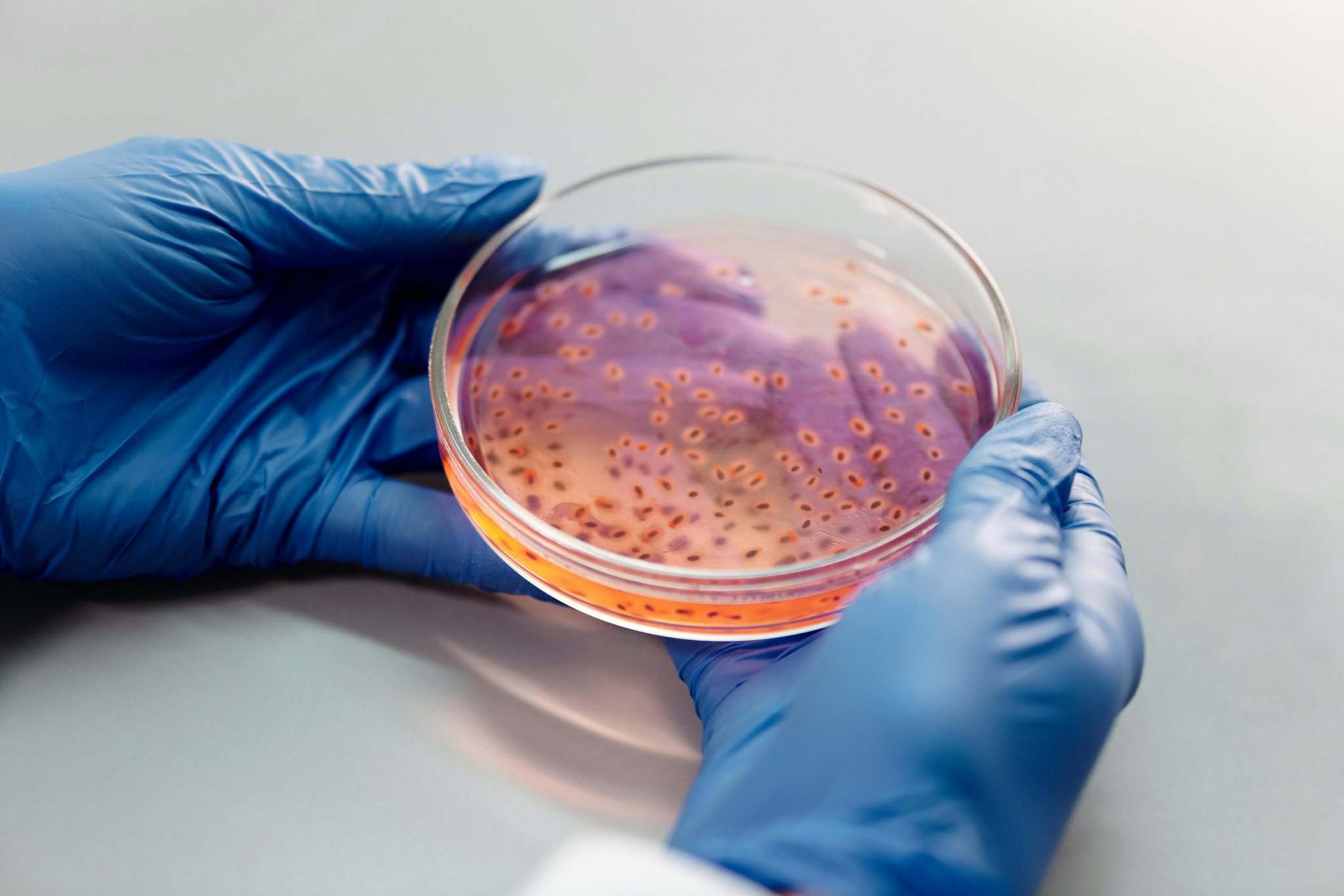
For biotech startups, experiment documentation templates serve functions that extend far beyond record-keeping.
Intellectual Property Protection. In biotech, research data is intellectual property. Well-documented experiments establish clear dates of conception and reduction to practice—critical elements for patent prosecution. Templates that enforce complete, time-stamped documentation support IP protection by ensuring that every experiment is recorded with the detail needed to defend patent claims. Without structured templates, critical information can be omitted, weakening the evidentiary chain for IP.
Regulatory Readiness. Even early-stage startups should be thinking about the regulatory path ahead. Specialized ELN templates maintain compliance with standards such as 21 CFR Part 11 and GxP. Templates that enforce the ALCOA+ principles—Attributable, Legible, Contemporaneous, Original, Accurate, Complete, Consistent, Enduring, Available—provide the foundation for data integrity in regulated environments. When the time comes to prepare an IND or file a patent, having complete, structured records from day one eliminates the need for retrospective documentation.
Scalable R&D Operations. As startups grow from a handful of researchers to a team of dozens, the volume of experiments multiplies exponentially. Without standardized templates, documentation becomes inconsistent, records become impossible to find, and institutional knowledge fragments. Templates ensure that as the team grows, documentation quality remains consistent and searchable.
Knowledge Preservation. In a startup, team members come and go. When a researcher leaves, their knowledge often leaves with them—unless it was documented in a structured, accessible format. Templates ensure that institutional knowledge is preserved and can be accessed by future team members, preventing the loss of critical experimental context.
Investor and Partner Confidence. Investors and potential partners evaluate a startup's R&D operations as part of their due diligence. A well-organized, consistently documented research program signals operational maturity and reduces perceived risk. Structured templates demonstrate that the team takes data integrity and reproducibility seriously.
Essential Sections of a Biotech Startup Experiment Template
An effective experiment documentation template for biotech startups should include the following sections, adapted to the specific needs of molecular biology and biopharma workflows.
Header Information. Every experiment entry should begin with basic identifying information: date of the experiment (not when it was written up), title of the experiment, entry identifier or unique ID, project name, and researcher name. This information enables search and retrieval and establishes attribution.
Objective and Rationale. A brief statement of the experiment's purpose and the hypothesis being tested. What question is this experiment designed to answer? Why is it being done? This context is essential for others—and your future self—to understand the experiment's significance.
Materials. A complete list of all materials used: reagents, kits, consumables, cell lines, plasmids, and organisms. For each, include source, vendor, catalog number, lot number, expiration date, and storage conditions. This level of detail is critical for reproducibility—others need to know exactly what to purchase and use.
Methods and Protocol. A detailed description of the experimental procedure. Rather than rewriting entire protocols, reference an existing standard protocol (by ID or name) and note any modifications. Include critical parameters: temperatures, incubation times, concentrations, volumes, equipment settings.
Observations. Real-time notes recorded during the experiment. Unexpected results, equipment issues, color changes, anything observed that might be relevant—even if it seems minor at the time. Observations should be recorded contemporaneously, not reconstructed from memory later.
Raw Data and Results. The primary data generated by the experiment: gel images, sequencing traces, spectrophotometer readings, quantification values. Raw data should be preserved in its original form, not just summarized.
Data Analysis. Processed results, calculations, statistical analyses, and interpretations. How were the raw data transformed into meaningful results?
Conclusions and Interpretation. What do the results mean? Were the hypotheses supported? What unexpected findings emerged? What are the implications for the next experiment?
Next Steps. What should be done next based on these results? What additional experiments are needed?
File Locations. Where are associated files stored—gel images, sequencing files, data exports, analysis files? This ensures that files can be found even months or years later.
Sample Locations. Where are physical samples stored—which freezer, which box, which position? This prevents the all-too-common problem of searching through multiple freezers for a sample.
Experiment-Specific Templates for Startup Molecular Biology Workflows
Biotech startups typically focus on specific molecular biology workflows that require tailored templates.
Cloning Experiments. For cloning, templates should capture: vector information (name, backbone, resistance markers, restriction sites), insert information (gene name, source, size, restriction sites), restriction enzymes used (with buffer and conditions), ligation conditions (ratio, temperature, time), transformation method (competent cells, heat shock or electroporation, recovery conditions), and screening results (colony PCR, restriction digest, sequencing confirmation).
Protein Expression and Purification. For protein work, templates should capture: expression construct (vector, promoter, tag), host strain (cell line or organism), induction conditions (inducer concentration, temperature, time), lysis method (buffer, mechanical or chemical lysis), purification method (column type, buffers, fractions, elution conditions), and yield and purity assessments (SDS-PAGE, Western blot, activity assay, concentration).
Cell Culture. For cell culture, templates should capture: cell line (source, passage number, authentication), media and supplements (brand, lot number, formulation), culture conditions (temperature, CO2, humidity), seeding density, treatments (concentration, duration), and observations (morphology, confluency, contamination checks, viability).
PCR and qPCR. For PCR experiments, templates should capture: primer sequences (with melting temperatures and GC content), template DNA (source, concentration, purity), cycling conditions (denaturation, annealing, extension temperatures and times), enzyme and buffer details, and results (gel image, Ct values, melt curves, standard curves).
Assay Development. For assay development, templates should capture: assay principle, reagents and their concentrations, standard curve details, positive and negative controls, detection method, and validation parameters (sensitivity, specificity, linear range).
Template Design Principles for Biotech Startups
Creating effective experiment documentation templates requires balancing structure with flexibility.
Project-Based Structure. Establish a project-based structure rather than a researcher-based structure. This ensures that all experiments related to a given program are grouped together, making it easier to track progress, identify gaps, and retrieve information.
Rigid Enough, Flexible Enough. Templates should be rigid enough to ensure that users provide required information while being flexible enough to cover a range of study types. The solution is to create multiple templates for different experiment types rather than one template that tries to fit everything.
Structured Fields, Not Just Headers. Wherever possible, use structured fields (dropdowns, checkboxes, numeric fields, date pickers) rather than free text. Structured data is searchable, sortable, and analyzable in ways that free text is not. Required fields ensure that critical information is never omitted.
Standardized Naming Conventions. Use uniform file naming conventions to ensure data is easy to find. One example: Project name_scientist name_date (YYYYMMDD). For ELN entries, include specific metadata about that entry, such as which plasmids are mentioned or sample ID tags.
Template Ownership and Maintenance. Each template should have an identified lead who is responsible for developing that template and is the only person with the ability to edit it. The template lead can also schedule regular template reviews to obtain the team's input and identify outdated templates.
Plan for Evolution. Templates should evolve as your research evolves. Start with a few essential templates for your most common experiment types and iterate based on real usage.
Common Pitfalls in Biotech Startup Template Design
Even with good intentions, template design can fall short. Being aware of common pitfalls helps startups avoid them.
One Template for Everything. A single template that tries to fit every experiment type is ineffective for most. Create multiple templates for different workflows rather than one template that fits none.
Too Much Free Text. Templates that rely primarily on free text fields defeat the purpose of standardization. Use structured fields wherever possible.
Overcomplicating Templates. Templates that are too detailed or complex discourage use. Start with essential sections and iterate based on real usage.
Neglecting User Input. Templates designed without input from the researchers who will use them are unlikely to be adopted. Involve users in template design and refinement.
Failing to Update. Templates become outdated as methods evolve. Designate a template owner and schedule regular reviews.
How Zettalab Supports Experiment Documentation Templates for Biotech Startups
Zettalab is designed as a cloud-based R&D workspace that brings molecular biology tools, experiment documentation, file storage, and team collaboration into a unified platform. For biotech startups implementing experiment documentation templates, Zettalab offers several integrated capabilities.
ZettaNote provides a structured electronic lab notebook with customizable templates that enforce consistent documentation across the team. Team members can create templates for common experiment types—cloning, protein expression, cell culture, PCR, assay development—ensuring that every experiment captures the information most relevant to that workflow. Templates can include structured fields, dropdowns, checkboxes, prompts, and placeholders that guide users through the documentation process. The platform supports template versioning, ensuring that templates can evolve as research methods change. Automatic timestamps and user attribution enforce the ALCOA+ principles of contemporaneous recording and attribution.
ZettaGene supports DNA sequence visualization, editing, plasmid construction, primer design, sequence alignment, and translation. By keeping sequence design tools in the same workspace as experiment records, ZettaGene enables researchers to link experimental observations directly to the sequence data that informed them—supporting the completeness and traceability that a well-designed template enforces.
ZettaFile provides team-friendly file storage with permission management, online document editing, and batch upload and download. Researchers can attach sequencing traces, gel images, protocols, and other files to experiment records, keeping all relevant materials in one place with clear access controls.
Together, these components support a workflow where templates are not an afterthought but an integrated part of the research process, ensuring that every experiment is documented completely, consistently, and in a format that supports search, retrieval, and reuse—essential for biotech startups scaling from discovery to development.
Implementation Considerations for Biotech Startups
Implementing experiment documentation templates in a biotech startup requires attention to both technical and organizational factors.
Start Simple, Iterate. Begin with a few essential templates for your most common experiment types. Use them, gather feedback, and refine. Don't try to create templates for every possible scenario upfront—you'll learn what works best through use.
Designate Template Owners. Each template should have an identified lead who is responsible for developing that template and reviewing it periodically. This ensures consistency and accountability.
Involve End Users. Templates designed without input from the researchers who will use them are unlikely to be adopted. Involve users in template design, testing, and refinement.
Provide Training. Even the best template is useless if team members don't use it properly. Provide training on how to use templates, why they matter, and what information should go in each section.
Set Up User Permissions. Maintain a master list of lab members and their roles and responsibilities on specific projects. This assists with lab personnel management and is useful for mapping out different users' needs, capabilities, and electronic signature requirements.
Schedule Regular Reviews. Templates should be reviewed periodically to ensure they remain current. Are they capturing the information your team actually needs? Are there new experiment types that need templates? Are any templates outdated?
Lead by Example. When principal investigators and lab managers use templates consistently, the rest of the team is more likely to follow.
FAQ
What is an experiment documentation template for biotech startups?An experiment documentation template is a pre-defined, structured format for recording experimental information in an electronic lab notebook. For biotech startups, templates standardize documentation, ensuring that critical information is captured consistently—from the first proof-of-concept experiment to the data package that supports regulatory submissions.
Why are templates important for biotech startups?Templates protect intellectual property by ensuring complete, time-stamped documentation, support regulatory readiness through ALCOA+ compliant records, enable scalable R&D operations as the team grows, preserve institutional knowledge when team members leave, and signal operational maturity to investors and partners.
What should an experiment template include?Essential sections include: header information (date, title, ID, researcher), objective and rationale, materials (with sources and lot numbers), methods and protocol, observations, raw data, data analysis, conclusions, next steps, file locations, and sample locations.
Should I use one template for all experiments or multiple templates?Multiple templates tailored to specific experiment types—cloning, protein expression, cell culture, PCR—are generally more effective than one template that tries to fit everything. Each template can include the sections most relevant to that workflow.
How do templates support intellectual property protection?Templates enforce complete, time-stamped documentation that establishes clear dates of conception and reduction to practice—critical elements for patent prosecution. Without structured templates, critical information can be omitted, weakening the evidentiary chain for IP.
What are standardized naming conventions and why do they matter?Standardized naming conventions, such as including project names, experiment numbers, and dates in file names and experiment labels, reduce confusion and make it easier for researchers to find specific information. One example: Project name_scientist name_date (YYYYMMDD).
How does Zettalab support experiment documentation templates?Zettalab's ZettaNote provides a structured electronic lab notebook with customizable templates, structured fields, template versioning, and integration with sequence design tools (ZettaGene) and file storage (ZettaFile)—all within a unified cloud-based workspace for biotech R&D.
How should templates be maintained as the startup grows?Each template should have an identified lead responsible for developing and editing that template. Schedule regular template reviews to obtain team input and identify outdated templates. As new experiment types emerge, create new templates rather than forcing everything into existing ones.
Conclusion
An experiment documentation template is essential for biotech startups that value intellectual property protection, regulatory readiness, and scalable R&D operations. The right template should provide a structured framework that captures every critical element of an experiment—from hypothesis and materials to raw data and conclusions—while remaining flexible enough to accommodate evolving workflows. Essential sections include header information, objective, materials, methods, observations, raw data, analysis, conclusions, next steps, and file and sample locations. Template design should balance structure with flexibility, use structured fields rather than free text, establish project-based organization, and be tailored to specific experiment types. Template ownership, regular review, and team adoption are equally important; template success is achieved through thoughtful design, ongoing maintenance, and organizational commitment.
Zettalab offers a cloud-based R&D workspace that brings these elements together, with ZettaNote for structured ELN documentation with customizable templates, ZettaGene for integrated sequence design and analysis, and ZettaFile for secure file storage with permissions. Biotech startups interested in exploring how experiment documentation templates can support their R&D operations can start with a free trial or request a demo to see the platform in action.