experiment documentation download
An experiment documentation download is a reusable template or resource that helps labs structure experiment records before moving them into daily documentation workflows. A useful download should guide what to record, not simply provide blank headings.
Before using any downloadable template, research teams should check whether it fits their experiment type, data files, review expectations, and collaboration model. Molecular biology teams especially need templates that connect protocols with sequence files, plasmid maps, primers, and validation evidence.
What to Check Before Using a Downloaded Template
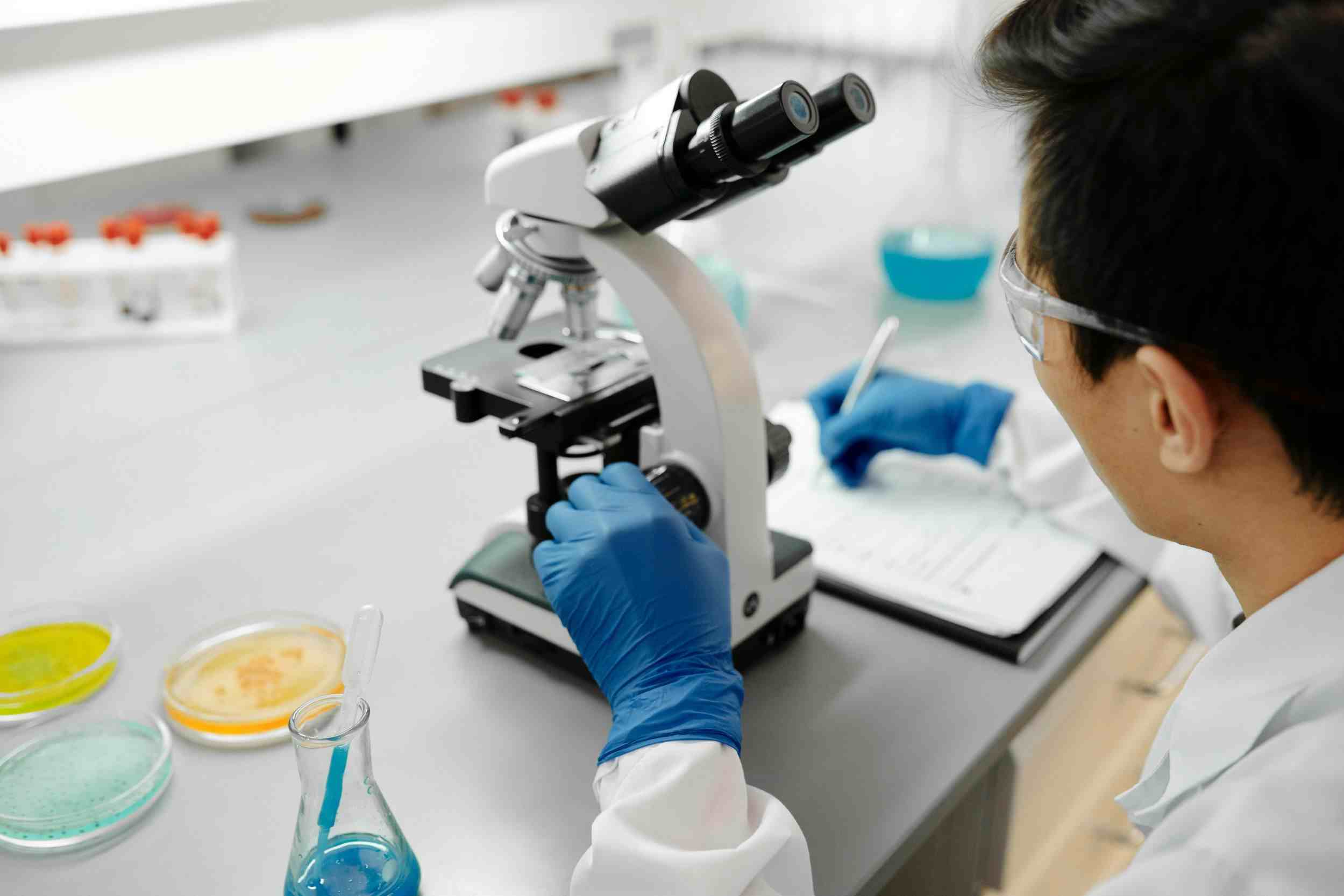
A downloadable template is only helpful if it matches the documentation problem the lab is trying to solve. A template built for general notes may not support cloning, PCR optimization, sequence validation, assay development, or GLP-ready documentation.
The template should make researchers record the minimum context needed for review: objective, materials, method, deviations, data evidence, interpretation, and next step. If it does not prompt for evidence and review status, it may produce records that look complete but remain hard to trust.
| Checklist Item | What to Look For | Why It Matters |
|---|---|---|
| Experiment context | Objective, rationale, project, sample or construct ID | Prevents records from becoming isolated notes |
| Method detail | Protocol version, parameters, execution notes, deviations | Helps reviewers understand what actually happened |
| Evidence structure | Raw data, processed data, images, sequence files, attachments | Links conclusions to reviewable support |
| Review workflow | Reviewer, comments, status, decision, next step | Shows whether the record is ready for reuse |
| ELN fit | Fields that can map into templates, metadata, and file links | Makes the download usable beyond a standalone document |
Why Downloaded Templates Often Need Adaptation
Most experiment documentation downloads are generic. They may be useful as a starting point, but they rarely capture the lab's exact identifiers, file types, review process, or compliance expectations. Teams should adapt the template before making it a standard.
For molecular biology, adaptation may include adding fields for vector, insert, primer pair, expected amplicon, guide RNA, plasmid map, sequencing primer, alignment result, and construct status. These fields make the template more useful for real workflows.
Move from Downloaded File to Controlled Template
A downloaded file is easy to copy, but copies can drift. If the template becomes part of team operations, it should be managed in an ELN or shared documentation system where updates, permissions, and version history are easier to maintain.
Using Downloads with an ELN Workflow
When teams move a downloaded template into an ELN, they should convert headings into structured fields where possible. Sample identifiers, construct names, protocol versions, reviewer status, and project names are more useful when they can be searched and filtered.
ZettaNote is relevant when labs want reusable experiment templates, structured records, annotations, and file references. The broader Zettalab workspace can also keep documentation closer to molecular biology tools and project files.
Where Download Pages Fit in the Software Journey
A download can help a team clarify documentation needs before choosing software. It can reveal which fields are essential, where researchers struggle, and whether the lab needs a simple document template or a connected ELN workflow.
Teams evaluating Zettalab can review the Zettalab download page and the product page to understand how digital records and molecular biology workflows can move beyond static templates.
FAQ
What should an experiment documentation download include?
It should include sections for objective, rationale, materials, sample identifiers, protocol version, method, observations, deviations, data files, interpretation, conclusion, review status, and next step. For molecular biology teams, it should also include fields for constructs, primers, sequence files, plasmid maps, and validation evidence. A useful download should guide complete records, not only provide empty headings. Teams should adapt it to their workflows before using it as a standard template.
Is a downloadable template enough for lab documentation?
A downloadable template may be enough for a small team with simple records, but it often becomes limited when teams need search, permissions, attachments, review history, and template version control. The template can define what to capture, while an ELN can help maintain how records are created, linked, reviewed, and retrieved. Labs should treat downloads as starting points, then decide whether a controlled digital workflow is needed.
How should a lab adapt a downloaded experiment template?
The lab should test the template on real records and identify missing context. Add fields for workflow-specific identifiers, file references, deviations, and review status. Remove fields that researchers will not use. For molecular biology workflows, add sequence and construct context where relevant. After adaptation, assign an owner and version so the team knows which template is current.
Can downloaded templates be imported into an ELN?
Many downloaded templates can be recreated or adapted inside an ELN, but the process usually requires mapping document headings into structured fields. The lab should decide which fields need to be searchable and which can remain narrative. Importing a template is less important than making it usable in daily documentation. A good ELN setup should support templates, attachments, review status, and project organization.
Conclusion
An experiment documentation download is useful when it helps a lab define what a good record should contain. It becomes more valuable when adapted into a controlled ELN workflow with structured fields, file references, and review status. To move from static templates toward connected documentation, explore ZettaNote in Zettalab.
Related Articles