How to Validate Research Record Migration to an Electronic Lab Notebook
Validating research record migration to an electronic lab notebook means confirming that every record moved from paper or a legacy system is complete, accurate, and readable in the new system before the old system is retired or the paper originals are archived. Migration without validation produces an ELN full of records the team cannot trust, which is worse than not migrating at all.
Most migration problems are discovered after the fact, when a record is needed and found to be incomplete or corrupted. This guide covers how to validate research record migration to an ELN, what to check, and how to confirm readiness before relying on the migrated records.
What Migration Validation Checks
| Check | What it confirms | Risk if skipped |
|---|---|---|
| Completeness | Every record, field, and attachment transferred | Missing data, broken context |
| Integrity | Data values unchanged after transfer | Corrupted or altered records |
| Readability | Records open and display correctly in the new ELN | Unreadable or garbled entries |
| Link preservation | Attachments, references, and cross-links intact | Orphaned files, broken references |
Completeness
Confirm that every record selected for migration was actually transferred, that no fields were truncated or dropped, and that all attachments arrived with their parent records. A completeness check compares the source inventory against the migrated set and flags any missing entries or partial transfers.
Integrity
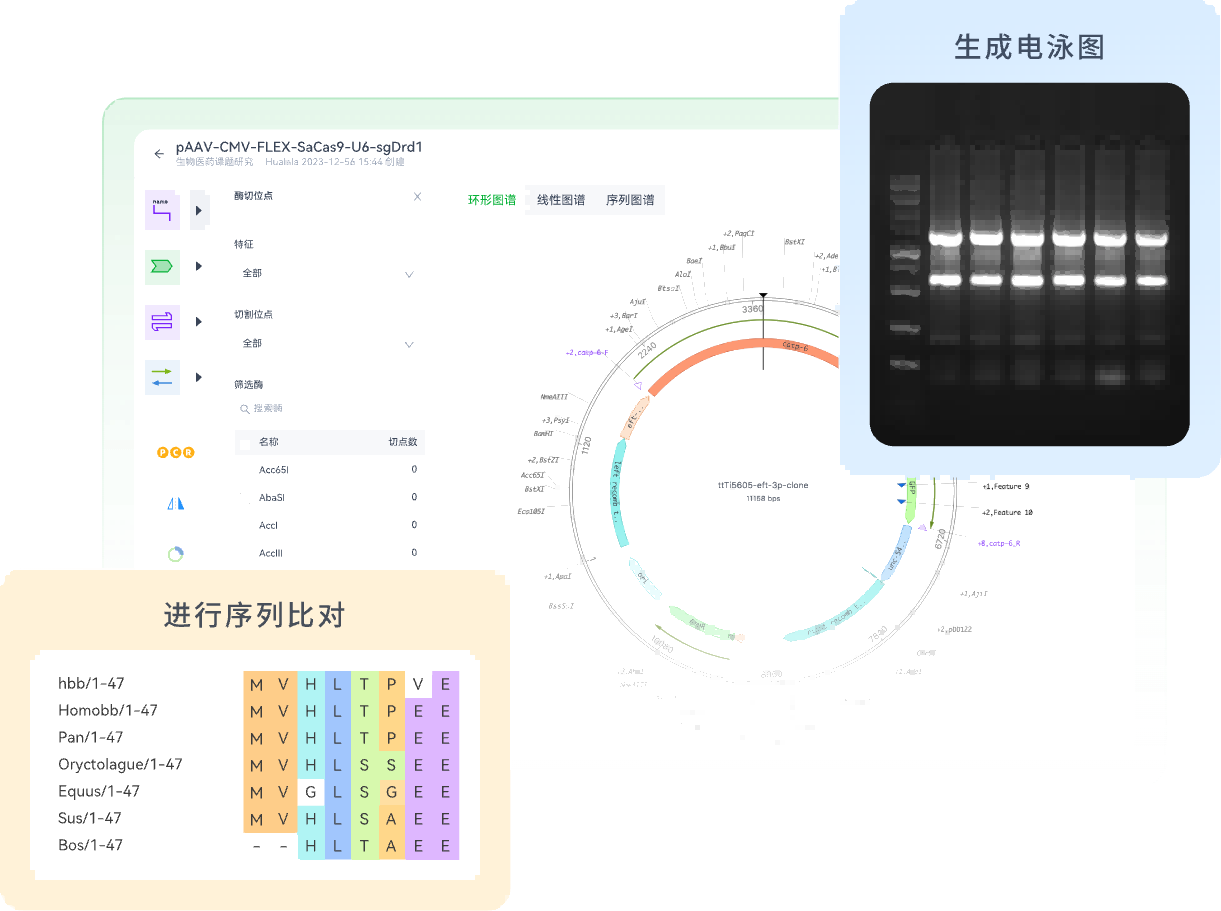
Verify that data values are unchanged: the same dates, identifiers, concentrations, and text. A spot check of a representative sample, comparing the original against the migrated version field by field, catches systematic errors such as date format conversion or character encoding corruption that affect every record.
Readability
Confirm that migrated records open, display, and search correctly in the new ELN. A record that transferred completely and accurately but renders as garbled text is not usable. Readability checks should cover different record types and include attachments opened in their native viewers.
How Zettalab Supports Migration Validation
For labs migrating records to an ELN, Zettalab provides a cloud-based platform where migrated records can be validated for completeness, integrity, and readability before the old system is retired. ZettaNote supports structured records with file attachments and search, so a team can confirm every record arrived intact. To validate record migration inside a connected lab workspace, explore Zettalab's cloud-based R&D lab platform.
FAQ
How do I validate research record migration?
Check four dimensions: completeness (every record and field transferred), integrity (values unchanged), readability (records display correctly), and link preservation (attachments and references intact). Spot-check a representative sample field by field against the source. Document the validation for audit defense.
What happens if migration validation is skipped?
Skipped validation produces an ELN full of records the team cannot trust. Missing fields, corrupted data, or broken file links discovered later, especially during an audit or a reproducibility check, are far more expensive to fix than catching them during validation. The old system may no longer be available for comparison.
How many records should be spot-checked during validation?
A representative sample covering different record types, date ranges, and people. For small migrations, check every record. For larger ones, a statistical sample plus every record deemed critical for compliance or IP. The sample should be large enough to catch systematic errors.
Conclusion
Validating research record migration, checking completeness, integrity, readability, and link preservation, is what turns a data transfer into reliable documentation. Migration without validation is a leap of faith the lab cannot afford. A connected R&D workspace that supports structured migration and validation, such as Zettalab, fits labs moving records to an ELN. To validate record migration inside a structured lab workspace, explore Zettalab's cloud-based R&D lab platform.
Related Articles