Types of DNA Sequencing Methods: Principles and Applications
DNA sequencing methods are bioanalytical and genomic technologies that determine the precise order of adenine, thymine, guanine, and cytosine nucleotides across biological nucleic acid molecules. In modern molecular biology, biotherapeutic development, and clinical genomics, sequencing technologies have advanced across three distinct technological generations: first-generation Sanger capillary sequencing, second-generation massively parallel short-read sequencing (NGS), and third-generation single-molecule long-read sequencing.
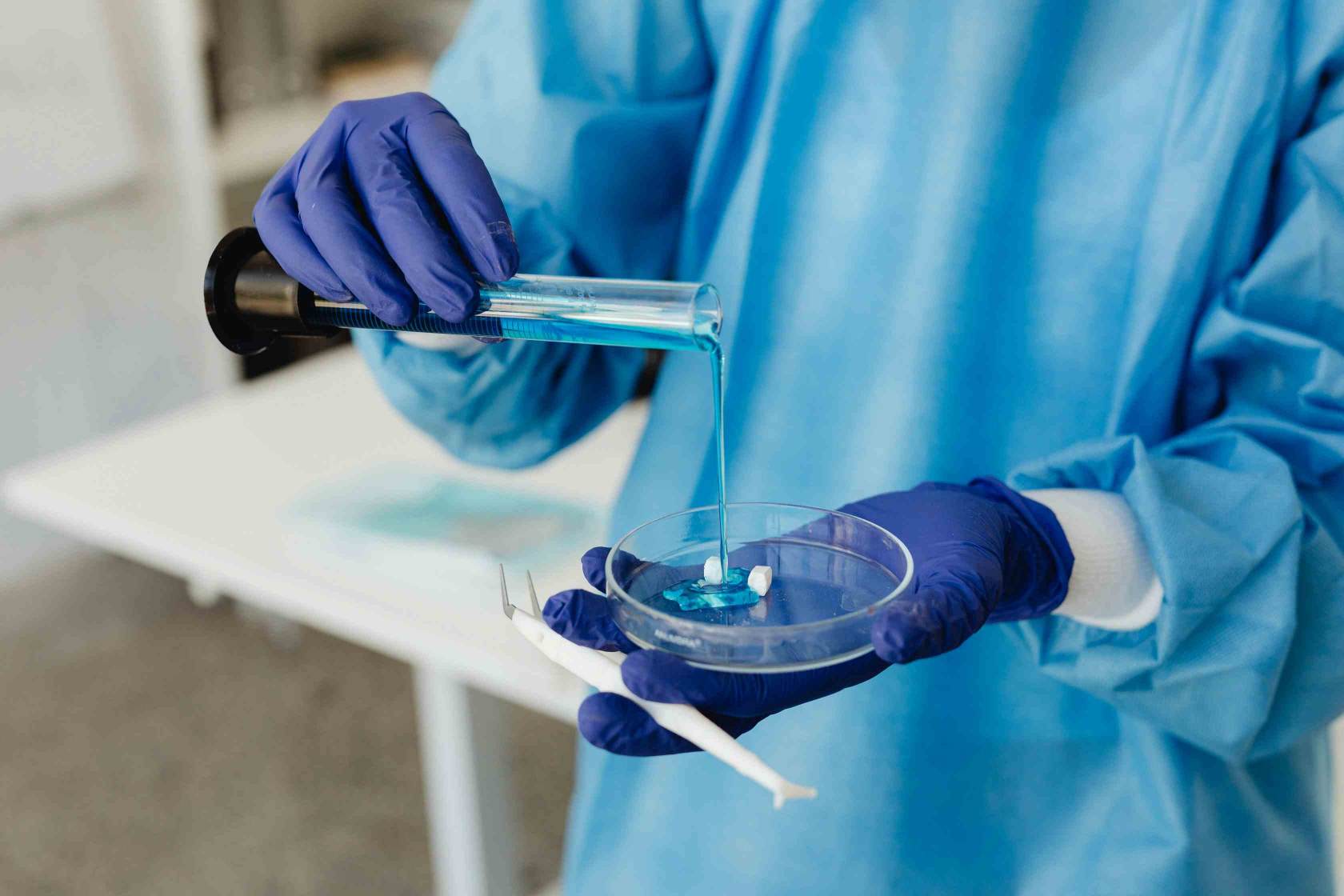
No single sequencing methodology is universally optimal for all biological assays. A routine single-colony plasmid verification requires rapid turnaround and low per-sample cost, whereas de novo whole-genome assembly, rare variant discovery, and full-length isoform profiling require high-throughput short reads or multi-kilobase contiguous long reads. Understanding the technical principles, read length capabilities, accuracy profiles, and cost structures of each sequencing method enables research teams to design cost-effective experimental workflows.
The Three Generations of DNA Sequencing Technologies
Sequencing technologies are broadly classified into three technological generations:
1. First-Generation Sequencing (Capillary Sanger Sequencing): Utilizing chain-terminating dideoxynucleotides (ddNTPs) labeled with fluorophores, Sanger sequencing generates continuous electropherogram traces with contiguous read lengths of 600 to 1,000 base pairs. It remains the gold standard for low-throughput, targeted validation of plasmid inserts, PCR amplicons, and single-gene mutagenesis clones due to its rapid turnaround (same-day to 24 hours) and high raw single-read accuracy (>99.99%).
2. Second-Generation Sequencing (Short-Read NGS - Illumina / MGI): Utilizing clonal amplification (bridge PCR or DNA nanoballs) and sequencing-by-synthesis (SBS) with reversible dye terminators, short-read NGS sequences millions to billions of fragments in parallel. Producing high-accuracy reads of 150 to 300 bp, NGS excels at quantitative counting assays: whole-genome resequencing, RNA-Seq differential expression, deep targeted variant discovery, and ChIP-Seq.
3. Third-Generation Sequencing (Single-Molecule Long-Read - Oxford Nanopore / PacBio HiFi): Operating on native unamplified single molecules, long-read sequencing generates continuous reads spanning 10 to over 100 kilobases. PacBio HiFi utilizes circular consensus sequencing (CCS) for ultra-high accuracy (>99.9%), while Oxford Nanopore measures ionic current changes through protein nanopores, offering ultra-long reads and direct native methylation detection (5mC, 6mA).
Comprehensive Comparison of DNA Sequencing Platforms
The table below summarizes the technical specifications, accuracy, cost models, and optimal applications of leading sequencing methods in 2026:
| Sequencing Technology | Typical Read Length | Raw Base-Call Accuracy | Cost & Turnaround Profile | Best Fit Laboratory Application |
|---|---|---|---|---|
| Sanger Sequencing (Capillary Electrophoresis) | 600 to 1,000 base pairs | >99.99% (Q40+) raw accuracy | $3–$8 per reaction; same-day to 24h turnaround | Routine molecular cloning QC, single PCR validation, point mutation verification |
| Short-Read NGS (Illumina / MGI) | 150 to 300 base pairs (paired-end) | >99.9% (Q30) raw accuracy | Low cost per gigabase (<$0.01/Gb); 2–5 day turnaround | RNA-Seq transcriptomics, high-depth variant calling, metagenomic profiling |
| PacBio HiFi Sequencing (Single-Molecule CCS) | 15,000 to 25,000 base pairs | >99.9% (Q30+) consensus accuracy | Moderate per-sample cost; requires specialized library prep | De novo genome assembly, structural variant phasing, full-length isoform profiling |
| Oxford Nanopore Technologies (ONT) | 10,000 to 100,000+ bp (up to 2 Mb) | ~99% (Q20+) raw accuracy; high consensus | Low hardware barrier (MinION); rapid real-time sequencing | Rapid whole-plasmid verification, field genomics, direct RNA and methylation analysis |
Strategic Decision Framework for Selecting Sequencing Methods
To choose the optimal sequencing platform, research teams should evaluate three primary experimental questions:
Question 1: What is the sample volume and turnaround urgency? For 1 to 10 individual plasmid clones or PCR bands requiring immediate verification before next-day bench execution, Sanger sequencing is vastly faster and cheaper than initiating an NGS library prep.
Question 2: Does the project require quantitative depth or structural contiguity? If measuring gene expression levels across thousands of transcripts, short-read RNA-Seq is optimal. If resolving complex genomic translocations, viral vector ITRs, or repetitive promoters, long-read sequencing is mandatory.
Question 3: Is epigenetic base modification information required? If mapping DNA methylation patterns directly without bisulfite conversion, Oxford Nanopore provides native 5mC and 6mA detection directly from raw electrical signals.
Connecting Sequencing Data to Electronic Lab Records
A major data governance bottleneck occurs when sequencing datasets (ABI trace files, FASTQ archives, BAM alignment files) remain isolated on local computer drives disconnected from original plasmid maps.
Within Zettalab, molecular biology teams import and align sequencing outputs directly within ZettaGene. Researchers can align Sanger traces or long-read consensus maps against reference plasmids, annotate variants, and link complete QC reports directly to ZettaNote experiment records. This unified cloud platform guarantees that experimental protocol designs and empirical sequencing evidence remain permanently linked.
FAQ
Is Sanger sequencing becoming obsolete due to NGS and long-read technologies?
No. Sanger sequencing remains an indispensable, highly economical daily tool for molecular biology laboratories. For rapid verification of individual plasmid constructs, PCR bands, and point mutations, Sanger's low cost ($3–$8), high raw accuracy, and same-day turnaround remain unbeatable for low sample counts.
What is the difference between short-read and long-read sequencing in plasmid verification?
Short-read NGS requires shearing plasmids into 200-bp fragments, making it difficult to assemble identical repeated elements (such as dual promoters or tandem repeats). Long-read sequencing spans the entire circular plasmid in continuous single-molecule reads, verifying vector backbone, insert, and resistance markers in a single assay.
What is coverage depth and why is it important in NGS?
Coverage depth (e.g., 30x or 1,000x) refers to the average number of times a specific nucleotide coordinate is sequenced across independent reads. High coverage depth provides statistical power to detect rare sub-clonal mutations and overcomes individual read base-calling errors.
How should laboratories manage large multi-gigabyte raw sequencing files?
Laboratories should store primary raw binary datasets (FASTQ, BAM, pod5) in secure, indexed cloud object storage (such as AWS S3 or Azure Blob), embedding lightweight QC reports, coverage graphs, and consensus alignment maps directly into electronic lab notebook entries.
Conclusion
Selecting the appropriate DNA sequencing method requires balancing read length, accuracy, throughput, and turnaround urgency. By matching sequencing platforms to specific experimental goals and integrating analytical outputs directly into cloud-based laboratory records, life sciences organizations maximize discovery efficiency and data traceability. Explore Zettalab to design construct maps, align sequencing datasets, and streamline your molecular workflows in a unified platform.
Related Articles