Plasmid Version Control for Biotech Startups: Building a Traceable Vector Pipeline
Plasmid version control for biotech startups is the practice of recording every change to a vector map, its annotations, and its approval status from the earliest cloning experiments, so a young company builds a traceable vector pipeline rather than a pile of conflicting files. For early-stage teams where a few scientists generate most of the assets, this discipline is what lets the company scale without re-deriving its own plasmids.
Setting this up is less about buying a tool and more about deciding early how vector changes are logged, who approves them, and how the team's growing library stays consistent. This article covers how biotech startups manage plasmid versions, the choices that matter at small team size, and how traceable cloning workflows support fundraising and future hiring.
Why Startups Need Version Control Early
In a startup's first months, two or three scientists may design dozens of vectors for proof-of-concept work. With no version control, maps live on personal laptops, get renamed, and diverge the moment one person edits a copy. By the time the team hires its fourth or fifth scientist, no one can say which vector was the one that actually worked, and the company has begun re-deriving assets it already owns.
Early version control prevents this loss. When every map carries its history and sign-off from day one, a new hire can trust the vector library instead of reconstructing it. The cost of setting up versioning early is small; the cost of recovering lost provenance later, especially during due diligence, is large.
What a Startup Vector Pipeline Needs
A traceable vector pipeline at startup scale rests on four practical choices. Each one can be set up before the library grows past a handful of plasmids.
One Source of Truth for Vector Maps
Vectors should live in a single shared system rather than scattered across email, personal drives, and chat attachments. A central source means the team always knows where the authoritative map is, and version history attaches to that canonical record rather than to disposable copies. Without this, the library fragments before anyone notices.
Recorded Changes With Editor and Timestamp
Every edit to a map or annotation should be logged with who made it and when, and earlier versions should remain accessible. This lets the team trace why a vector changed and revert if an edit introduced an error. For a startup, where roles blur and the same person often designs and revises, the history is the only objective record of how an asset evolved.
Lightweight Reviewer Sign-Off
Before a vector moves to a critical experiment, a second person should approve the version, and that approval should be recorded. In a small team this can be simple, a senior scientist marks a version approved, but the act of recording it creates accountability. Sign-off matters most exactly when the team is small enough that informal review feels optional.
Permissions That Match the Team
Even a startup benefits from role-based permissions that separate who can edit a shared vector from who can publish it to the library. Permissions prevent accidental overwrites of approved maps and give the company a clean story about IP control when investors or partners ask how assets are protected. Governance that fits a five-person team still beats no governance at all.
Static Files vs a Versioned Vector Pipeline
| Dimension | Files on personal drives | Versioned vector pipeline |
|---|---|---|
| Source of truth | Unclear, copies everywhere | One canonical library |
| Change history | Overwritten or renamed | Logged per revision, restorable |
| Approval evidence | None or in chat | Sign-off tied to a version |
| Onboarding | New hire re-derives vectors | New hire trusts the library |
| Best fit | Solo, throwaway sketches | A growing company's IP pipeline |
Personal drives work while a vector is a quick sketch. The moment the same map enters a second experiment or a second person's hands, the lack of versioning starts generating conflicting copies and lost provenance that a startup cannot afford.
Scaling Version Control as the Team Grows
Version control set up early scales more easily than one bolted on later. As the team hires, the existing history and sign-off process extend naturally: new scientists inherit a library they can trust and a review step they can join. The main adjustment is moving from informal sign-off toward a clearer reviewer role, and adding permissions that separate contributors from approvers once more than a handful of people touch the library.
The signal that version control is working is onboarding speed. If a new scientist can find, understand, and use the team's vectors within their first week without asking the founder to explain each one, the pipeline is traceable. If onboarding requires a walking tour of who designed what, the version control has gaps, usually in sign-off or library governance.
How Version Control Supports Due Diligence and IP
Investors and partners increasingly ask how a biotech startup protects and documents its vector assets. A version-controlled library provides a concrete answer: every vector has a recorded origin, a change history, and an approval trail. This is stronger evidence of IP hygiene than a folder of files, and it reduces the scrambling that often precedes a due diligence review.
The value is not in claiming compliance the startup has not earned, but in showing that provenance is built into daily work. A traceable vector pipeline demonstrates that the company treats its core assets as governed, reproducible inputs rather than as disposable drafts.
How Zettalab Fits a Startup Vector Pipeline
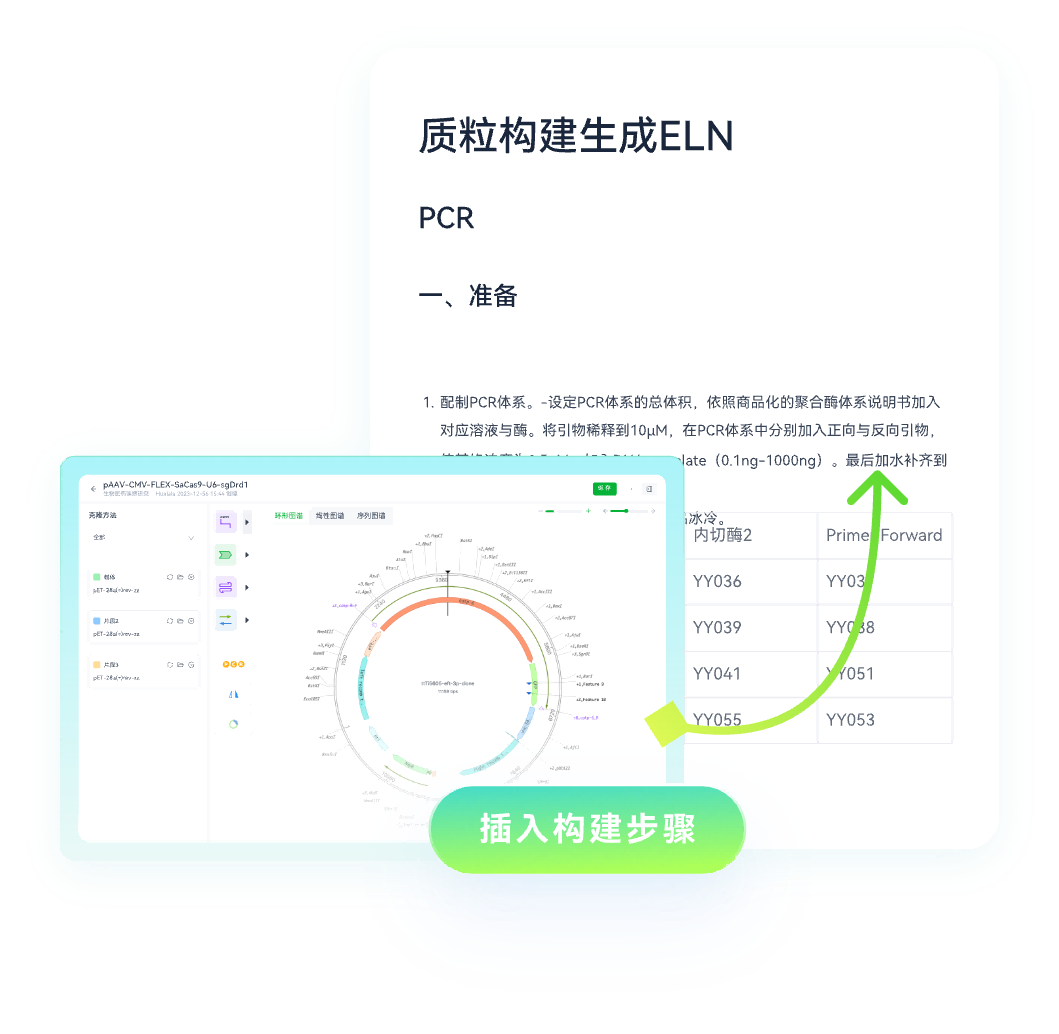
For early-stage teams that want vector design, version history, and experiment documentation in one workspace, Zettalab connects molecular biology tools with ELN-style records and collaboration features. ZettaGene supports sequence visualization, plasmid construction, and annotation, while ZettaNote holds the structured records and review workflow around each vector, so a startup's plasmid history and experimental context stay linked from the first clone.
This connected approach matters most when the team is small enough that good habits are cheap to install and expensive to add later. Startups should judge any tool, including Zettalab, by whether it keeps restorable history, supports lightweight sign-off, and scales its permissions as the company grows.
FAQ
Why do biotech startups need plasmid version control?
Because startups generate most of their vector assets early, when a few scientists design dozens of plasmids, and without version control those maps fragment across personal drives and diverge with every edit. Version control keeps a single source of truth, records who changed what and when, and lets a new hire trust the library instead of re-deriving it. The cost of setting it up early is small compared to recovering lost provenance during scaling or due diligence.
How should a small team set up vector version control?
A small team should pick one shared system as the single source of truth for vector maps, turn on change logging with editor and timestamp, add a lightweight reviewer sign-off before vectors enter critical experiments, and set permissions that separate editing a shared vector from publishing it to the library. These four choices can be made before the library grows past a handful of plasmids. The setup should fit a five-person team rather than imitate a large enterprise process.
Who should approve vector changes in a startup?
A second person, typically the senior scientist or scientific founder, should approve a vector version before it moves to a critical experiment or into the shared library. In a small team the step can be simple, but recording it creates accountability and an approval trail. The point is not bureaucracy but ensuring that the assets the company depends on have at least one independent check before they propagate.
How does version control help during due diligence?
It gives investors and partners concrete evidence of IP hygiene by showing that every vector has a recorded origin, a change history, and an approval trail. A version-controlled library demonstrates that the startup treats its core assets as governed, reproducible inputs rather than disposable drafts. This is stronger than a folder of files and reduces the scrambling that often precedes a due diligence review.
What signals that vector version control is working?
The clearest signal is onboarding speed: a new scientist can find, understand, and use the team's vectors within their first week without asking the founder to explain each one. If onboarding instead requires a personal walkthrough of who designed what, the version control has gaps, usually in sign-off or library governance. Scaling the permissions and reviewer roles as the team grows keeps that signal positive.
Conclusion
Plasmid version control for biotech startups is an early, low-cost investment that protects the company's most important assets as it scales. Teams benefit most when they establish one source of truth, record changes with history, add lightweight sign-off, and set permissions that fit a small team and grow with it. A connected R&D workspace that keeps vector design, version history, and documentation together, such as Zettalab, fits early-stage teams building a traceable vector pipeline. To set up version-controlled plasmid workflows from day one, explore Zettalab's cloud-based R&D lab platform.
Related Articles