How to Design PCR Primers and Set Up the Reaction
PCR primer design selects two short oligonucleotides that flank the target and amplify it specifically, and reaction setup assembles them with template, polymerase, and nucleotides under conditions matched to the primer properties. For molecular biology teams, the two belong together: the best reaction conditions cannot rescue a bad primer pair, and good primers fail in a reaction missing its controls.
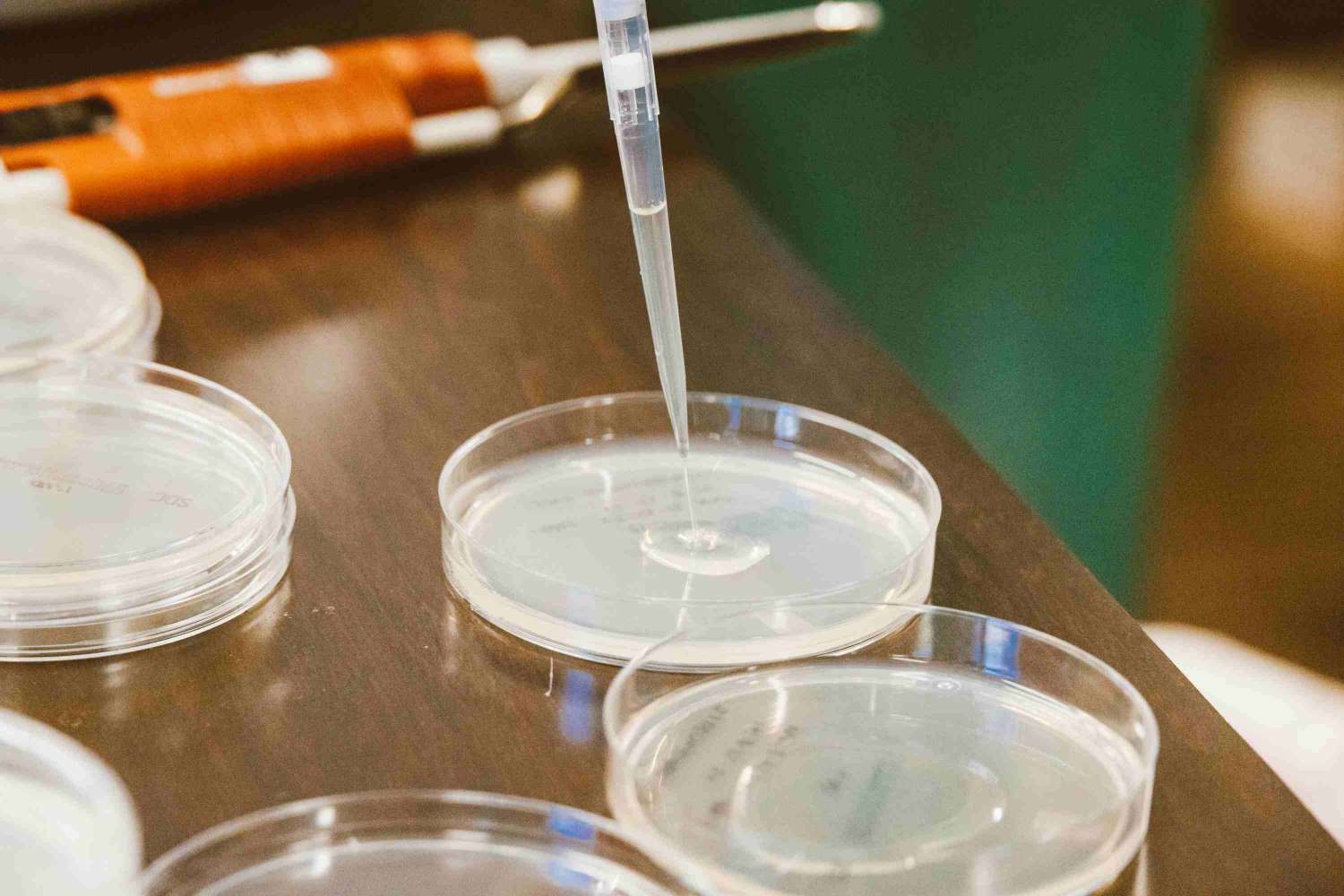
PCR is forgiving enough that a mediocre setup often produces something, which is exactly why the failure modes are confusing: a band appears, but is it the target? This guide walks through primer design and reaction setup as one connected process, with the checks that make an amplification trustworthy.
Primer Design Rules in One Reference
| Property | Target | Why it matters |
|---|---|---|
| Length | ~18-25 bases | Specificity and stable annealing |
| Melting temperature (Tm) | Pair within ~5 °C, ~50-65 °C | Both primers anneal at the same temperature |
| GC content | ~40-60% | Balanced binding strength |
| 3' end | GC clamp, no self-complementarity | Stable extension, no primer dimers |
Designing the Pair: Length, Tm, and GC Balance
Primer design begins with the target region. The primers flank it at a distance that keeps the amplicon in the range the downstream use expects, and each primer is designed for length, melting temperature, and GC balance. The pair's Tm values should sit within a few degrees of each other, because the annealing temperature must serve both primers simultaneously, and a large Tm mismatch means one primer binds while the other struggles.
Specificity is the second half of design: the primers must match only the intended site. A specificity check against the reference genome identifies alternative binding sites that would produce extra products, and primers with strong self-complementarity or 3' complementarity form dimers that consume the reaction. Running these checks in design software before ordering is the difference between a clean single band and an interpretive mess.
Setting the Annealing Temperature From the Primers
The annealing temperature follows from the primer Tm, typically a few degrees below the calculated melting temperature. This is where design and setup connect: a reaction run at the wrong annealing temperature fails for reasons that look like primer problems. Too low, and primers bind non-specifically producing smears and extra bands; too high, and they fail to bind producing nothing.
When a reaction fails or produces background, the first variable to examine is the annealing temperature against the primer Tm, not the primers themselves. Recording the Tm values and the chosen annealing temperature in the experiment record makes this diagnosis immediate instead of a guessing game.
Assembling the Reaction With Controls
Reaction setup is where the result's credibility is built. Beyond the template, primers, polymerase, and nucleotides, the setup includes the controls that make a result interpretable: a positive control proving the reaction works when template is present, and a no-template control proving the reagents are not contaminated. A band in the no-template control invalidates the run regardless of how good the target band looks.
Controls are not optional decorations; they are the experiment's internal validation. A run without them produces a band whose meaning cannot be certified, because there is no evidence the amplification is specific or the reagents clean. The small cost of two extra lanes buys the ability to defend every result the PCR produces.
Documenting the Run for Reproducibility
A PCR result is reproducible only when the record captures the design and the conditions together: primer sequences and Tm, template source and amount, polymerase and buffer, cycling conditions, and the controls run. This record lets a colleague repeat the reaction or troubleshoot a failure without reconstructing the choices from memory.
For teams that want primer design and PCR documentation connected, ZettaGene within the Zettalab workspace supports primer design with Tm and specificity context, and the broader platform links the reaction record to the primer design and the gel or trace result, keeping the design-to-result chain intact.
FAQ
What Tm should PCR primers have?
Design primers with melting temperatures in roughly the 50 to 65 °C range, and keep the pair within about 5 °C of each other. The annealing temperature is set a few degrees below the primer Tm, so a matched pair allows both primers to bind efficiently at one temperature. A large Tm mismatch is a common cause of weak or failed amplification.
Why does my PCR produce multiple bands?
Multiple bands usually mean non-specific binding: the annealing temperature is too low for the primer Tm, or the primers match additional sites in the template. Check primer specificity against the reference, then raise the annealing temperature in steps. Also check for primer dimers, which appear as short bands and signal self-complementarity in the pair.
What controls should a PCR reaction include?
Include a positive control with known template, proving the reaction works, and a no-template control with water instead of template, proving the reagents are clean. A band in the no-template control indicates contamination and invalidates the run. Controls turn a band into a certified result and are the cheapest insurance in the workflow.
How do I check that primers bind only the intended site?
Run the primer sequences against the reference genome with a specificity check, either in primer design software or a sequence search tool, and examine alternative binding sites, especially at the 3' end where extension starts. Design software reports candidate off-targets; the check is to ensure none would produce a competing product in the reaction conditions.
Conclusion
PCR primer design and reaction setup are one connected process: balanced primers with matched Tm and verified specificity, annealed at the temperature their properties dictate, run with controls that certify the result. Documenting the design and conditions together makes amplification reproducible. To connect primer design with PCR documentation, explore Zettalab's cloud-based R&D lab platform.
Related Articles