Linking Raw Data to an ELN Record Requires a Naming, Versioning, and Review Workflow
Raw data linking is an ELN workflow that attaches sequencing files, gel images, qPCR exports, and instrument logs to the experiment record that generated them. When every result in a record points back to a primary file, conclusions can be verified months later by any team member without relying on memory.
Molecular biologists, lab managers, and research operations teams hit this problem when instrument files accumulate on personal drives while the notebook holds only the interpreted result. This guide covers link strategies, file naming and versioning, raw-versus-processed separation, review-time verification, and retention.
Why Raw Data Drifts Away from Experiment Records
In most labs, raw data is produced outside the notebook. Sequencing runs leave FASTQ or BAM files on an instrument computer, gel documentation systems save TIFF or PNG images, qPCR instruments export CSV or spreadsheet files, and analysis work lives in workbooks on individual laptops. The ELN record, meanwhile, holds the interpreted result: a figure, a Ct value, or a conclusion, with the supporting files scattered across personal drives, shared folders, and email threads.
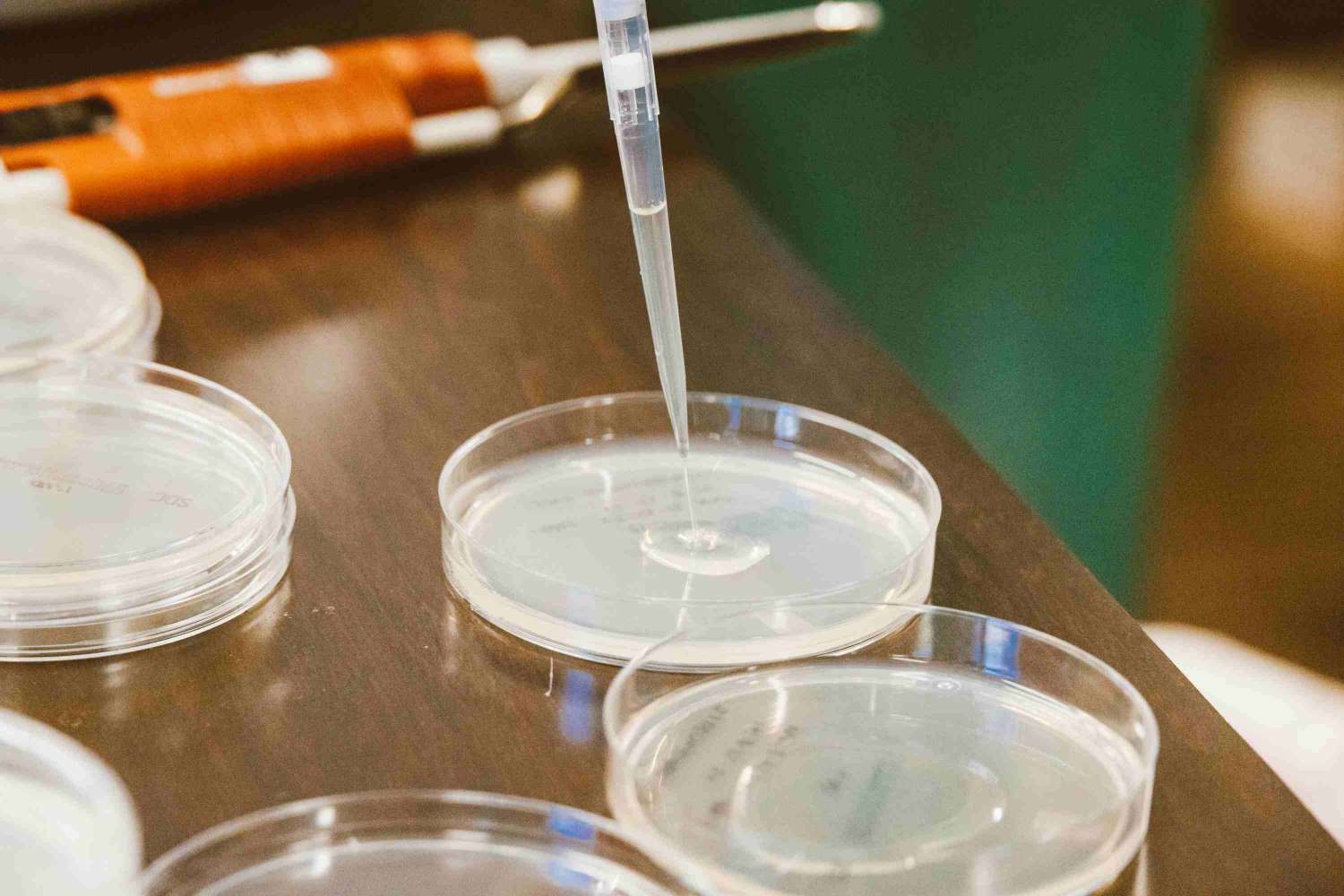
The consequences appear when a result is challenged. A reviewer must reconstruct which file produced the reported number, and if the file sits in an unlabeled folder, was overwritten during reanalysis, or lives on a departing team member's laptop, the record cannot be verified. Handoffs slow down, troubleshooting a failed cloning or sequencing run requires asking around the lab, and audit trails develop gaps that take days to close.
Teams can evaluate the drift with three measures: how quickly a file can be matched to the record that used it, whether the file version matches the version of the analysis, and whether timestamps and instrument metadata survive. Closing the gap requires a deliberate link strategy, file naming rules, versioning discipline, and a retention policy.
What Counts as Raw Data in a Molecular Biology Lab
Raw data is the primary output of an instrument or measurement before any analysis is applied. Defining this boundary matters because every processed file, figure, and conclusion must be reproducible from the raw layer, so the record needs to make the boundary visible.
| Data type | Typical formats | Where it originates | What the link should preserve |
|---|---|---|---|
| Sequencing data | FASTQ, BAM, CRAM | Sequencer or core facility | Run ID, sample-to-file mapping, pipeline version |
| Gel and imaging data | TIFF, PNG | Gel doc, imager, microscope | Image metadata, exposure settings, original vs cropped |
| qPCR data | CSV, spreadsheet exports | qPCR instrument software | Plate layout, well-to-sample mapping, instrument settings |
| Instrument and equipment logs | CSV, TXT | Spectrophotometer, plate reader, freezer logs | Reading timestamp, device ID, calibration status |
| Analysis spreadsheets | XLSX, CSV | Researchers during analysis | Formula versions, input file references, edit history |
The test for whether a file is raw is simple: if deleting it would make it impossible to regenerate the results in the record, it is raw data. Processed summaries and derived figures are important too, but they should be labeled as derived rather than stored as the source of truth.
Two Link Strategies: Per-Record Attachments vs Central Indexes
Labs generally choose between two ways of keeping raw data reachable from records: attach copies to each entry, or keep files in a central index that records point to. The choice changes how the lab reviews, audits, and archives its work.
| Strategy | How it works | Best for | Risks to manage |
|---|---|---|---|
| Per-record attachments | Each ELN entry carries its own file copies | Single experiments that must stand alone | Duplication and version drift across entries |
| Central index with pointers | Files live in one indexed structure; records reference them | Large datasets shared by many records | Broken links, permission changes, index discipline |
| Hybrid | Small files attached, large files indexed centrally | Most molecular biology labs | Deciding the threshold and keeping both current |
Per-Record Attachments
Attaching files directly to each entry keeps the record self-contained: a reviewer opens one entry and finds the sequencing files, images, and exports that produced its results. The cost is duplication. When the same run feeds several records, each copy can drift to a different version, and storage grows quickly with imaging and sequencing data. This strategy suits labs that audit single experiments or that export records for external review on their own.
Central Indexes with Pointers
A central index keeps one canonical copy of each raw file in a documented project structure, and records store a reference instead of a copy. This eliminates duplicate versions and fits large sequencing or imaging datasets that no single record should carry twice. The trade-off is that a record is only as strong as its pointer: if the link breaks, the folder is renamed, or access permissions change, the record loses its evidence. Index naming, folder structure, and link checks must be maintained deliberately.
The Hybrid Approach
Most molecular biology teams settle on a hybrid: attach the files a reviewer will actually inspect, such as a gel image or a qPCR export, and index the large or shared datasets, such as raw sequencing runs, centrally. The important point is not which strategy wins, but that the lab decides deliberately, documents the decision, and applies it consistently, so the link between file and record is always resolvable.
File Naming and Versioning Rules That Survive Review
Naming Files So the Record Can Find Them
A file name should be decodable without opening the file. A practical pattern is project or run identifier, experiment ID, sample or well identifier, and a short descriptor, for example run-2026-0342-sample-08-raw.fastq. Dates belong in instrument metadata rather than in the name, and words like "final" or "copy" signal that the naming convention is not trusted. Spaces, special characters, and personal abbreviations break the link between record and file the moment someone else needs to retrieve it.
Versioning Without Overwriting
Raw data should be treated as read-only. Each reanalysis, normalization, or cleanup step produces a new version of the derived file, while the raw file keeps its original content and timestamp. Versioning rules should record who changed a file, when, and why, and the ELN entry should reference the exact version that produced the reported result. Overwriting is the most common cause of untraceable records, because the file that generated a figure or a submission no longer exists.
Keeping Raw and Processed Data Distinct
The raw-versus-processed boundary protects record integrity. Raw files are instrument output; processed files are the result of analysis steps applied to them. When both are linked to the record, each should be labeled so a reviewer knows which file is the source of truth. Analysis scripts and software versions belong alongside the processed output, because they define how the raw file became the reported number, and without them the derivation cannot be repeated.
How Reviewers Verify Traceability in an ELN Record
A record passes a traceability check when a reviewer can walk from the conclusion back to the instrument output without asking the author. The sequence below works for internal checks, handoffs, and external audits alike.
- Open the conclusion first and identify which figures, numbers, or conclusions depend on raw data, because this defines the minimum set of files the record must support.
- Follow the link from each claim to its supporting file and confirm the file opens with standard software, because files in proprietary formats may be unreadable to reviewers.
- Compare the file version and timestamp with the analysis described in the record, because a mismatch means the entry may cite a different dataset than the one actually used.
- Check that instrument metadata, such as run IDs, plate layouts, or imaging settings, matches the sample names in the record, because this confirms the file belongs to the experiment.
- Confirm that access permissions and the retention schedule cover the referenced files, because a file that cannot be opened or has expired is as untraceable as a missing one.
Teams can measure review readiness with these checks before a formal review happens. If a reviewer has to search shared drives or ask the author where a file came from, the link strategy, naming, or versioning step needs revision.
Data Retention: What to Keep and for How Long
Retention requirements for raw data come from three sources: funding agencies and journals that demand raw data availability, institutional policies, and the lab's own reproducibility commitments. Because requirements vary by funder, journal, and country, a practical default is to retain raw files for the full life of the project plus whatever period the funding agreement or institution requires, and to keep processed versions at least until the results they support are published or defended.
Retention is not only about keeping files. The record must keep the link to the files, the version history, and the access permissions, so that a file retained under the lab's schedule can still be found by a reviewer who was not part of the original team. Formats matter as well: open, text-based formats such as FASTQ, CSV, and TIFF are safer long-term choices than formats bound to one vendor's software version.
How Zettalab Fits Raw Data Linking into the R&D Workspace
Zettalab combines ZettaNote, an electronic lab notebook, with ZettaFile, team file storage with project-level permissions, so raw data and experiment records share one R&D workspace. A team can keep instrument exports, gel images, and sequencing files organized under project permissions, then cross-reference them from experiment records, so naming, versioning, and review discipline apply to a single, shared context. This matters for molecular biology labs because the files that feed a record are usually produced by several instruments and several people.
The practical question for a lab evaluating its workflow is whether records and files can be linked, versioned, and reviewed without switching systems. For teams that want this in one place, a connected workspace is worth evaluating alongside standalone tools.
FAQ
What counts as raw data in a molecular biology experiment?
Raw data is the primary instrument or measurement output before any analysis step is applied. In a molecular biology lab, this includes sequencing files such as FASTQ or BAM, gel and imaging files such as TIFF or PNG, qPCR exports in CSV or spreadsheet format, instrument logs, and the source spreadsheets that hold original measurements. A practical test: if deleting a file would make it impossible to regenerate the results recorded in the ELN, that file is raw data. Processed summaries, normalized values, and derived figures are not raw data, although they should still be linked to the record and labeled as processed, so the path from conclusion back to instrument output stays clear.
Should raw data be attached to every ELN record or stored in a central index?
Both approaches work, and most labs combine them. Attaching files to each record keeps single entries self-contained, which helps when records are audited, exported, or reviewed on their own. A central index keeps one canonical copy of large datasets, such as raw sequencing files, and avoids duplication and version drift across records. The deciding factors are file size, how many records reference the same dataset, and how the lab audits results. Whichever strategy a lab chooses, the rule that matters most is consistency: every record must resolve to its supporting files, and every file must be findable from the record that used it. Documenting the chosen strategy prevents the two approaches from mixing silently.
How should I name files so they stay linked to ELN records?
Use a file name that can be decoded without opening the file: project or run identifier, experiment ID, sample or well identifier, and a short descriptor, such as run-2026-0342-sample-08-raw.fastq. Avoid spaces, special characters, and words like "final" or "copy", which carry no meaning for anyone outside the original context. Keep dates in instrument metadata rather than in the file name, and never let one person's abbreviations become the lab standard. Naming rules work best when they are written down, applied to every project, and enforced at upload time, because fixing names during a review is far more costly than naming files correctly on day one.
What is the difference between raw data and processed data in an ELN?
Raw data is the direct output of an instrument, such as the sequencing read file, the gel image, or the qPCR export. Processed data is the result of analysis applied to that output, such as a normalized Ct value, a trimmed read set, or a quantified band. The distinction matters for traceability because conclusions are drawn from processed data but must be reproducible from raw data. Both layers should be linked to the ELN record and labeled clearly, so a reviewer knows which file is the source of truth. Analysis scripts, software versions, and parameter settings belong with the processed files, since they define how the raw output became the reported result.
How can a reviewer verify that data in an ELN record is traceable?
A reviewer should be able to start from the conclusion and follow a chain of evidence back to the instrument output without asking the author. Practical checks include opening each linked file with standard software, confirming that the file version and timestamp match the analysis described in the record, comparing instrument metadata such as run IDs or plate layouts against sample names, and confirming that access permissions and the retention schedule cover the referenced files. If any step requires searching shared drives or asking the author where a file came from, the link strategy needs revision. In connected workspaces such as Zettalab, files stored with project-level permissions in ZettaFile can be referenced directly from ZettaNote experiment records, so the review path stays visible in one place.
How long should a lab keep raw data linked to ELN records?
Retention requirements come from funding agencies, journals, and institutional policies, so the exact period depends on the lab's commitments rather than on a universal rule. A practical approach is to keep raw files for the full project duration plus the period the funder, journal, or institution requires, and to keep processed versions at least until the results they support are published or defended. Retention covers the links, version history, and access permissions, not just the files themselves. Storing files in team file storage with defined permissions, such as ZettaFile, makes retention administration easier because ownership and access are visible. Open, text-based formats such as FASTQ, CSV, and TIFF are more reliable long-term choices than formats bound to a single vendor's software version.
Conclusion
Linking raw data to an ELN record is not a single upload step; it is a working system of link strategy, file naming, versioning, and review checks that keeps every conclusion reproducible. Labs that document the strategy, apply naming and versioning rules consistently, and test traceability before formal review shorten the time spent reconstructing evidence during troubleshooting and audits. The practical starting point is a workspace where files, records, and permissions live in one project context. Explore Zettalab's cloud-based R&D platform to see how raw data linking works when files and records share one workspace.
Related Articles