Why Experiment Documentation Becomes Unusable Over Time and How to Prevent It
Experiment documentation becomes unusable over time not because the records are lost, but because they decay: templates drift, file links break, formats become obsolete, and the context that made them interpretable fades. A record that was perfectly usable on the day it was written may be unreadable five years later for reasons that have nothing to do with the science.
Documentation decay is slow and silent, and most labs discover it only when they need an old record and cannot use it. This guide covers why experiment documentation becomes unusable over time and how to prevent the decay.
How Documentation Decays
| Decay mode | How it happens | How to prevent it |
|---|---|---|
| Template drift | Template changes make old records uninterpretable | Retain old template versions with records |
| File link decay | Linked files moved or deleted | Use persistent identifiers, test links periodically |
| Format obsolescence | Proprietary formats become unreadable | Export to open formats alongside native files |
| Context loss | Rationale and decisions not captured | Capture context at the time of the record |
How Zettalab Prevents Documentation Decay
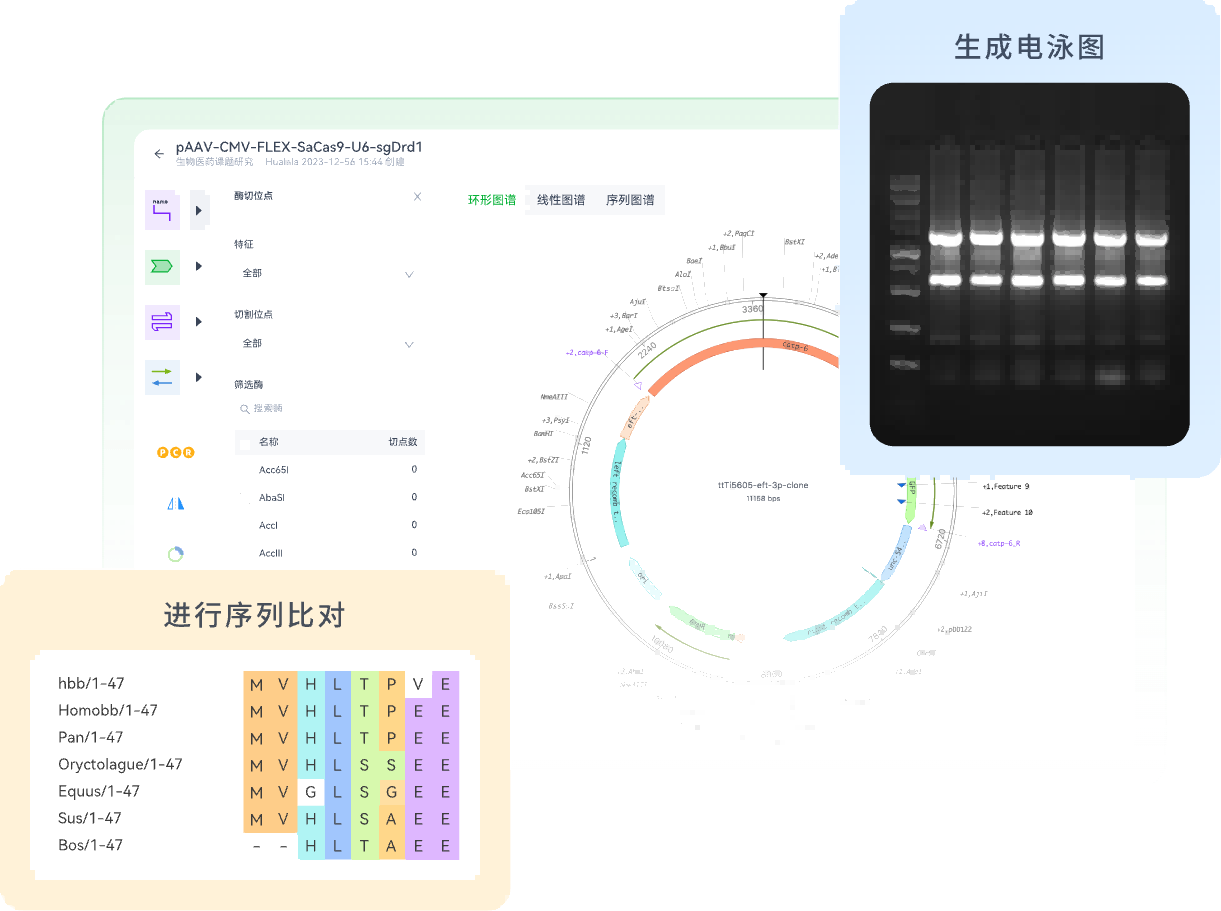
For labs that need records to remain usable over time, Zettalab provides ELN-style documentation with versioned templates, stable file references, and export to standard formats. ZettaNote supports template versioning that keeps old records interpretable. To prevent documentation decay inside a connected R&D platform, explore Zettalab's cloud-based R&D lab platform.
FAQ
Why does experiment documentation become unusable over time?
Through template drift (old records reference fields that no longer exist), file link decay (links break when storage moves), format obsolescence (proprietary formats unreadable), and context loss (rationale not captured). Each is preventable with deliberate practices.
How do I keep lab records usable years later?
Retain old template versions, use persistent file identifiers, export to open formats alongside native ones, and capture context at the time of record creation. These practices protect against each decay mode.
What is the most common cause of documentation decay?
File link decay: raw data and instrument outputs linked from records become inaccessible when storage is reorganized. Testing links periodically and using persistent identifiers prevents this silent loss.
Conclusion
Experiment documentation becomes unusable over time through template drift, link decay, format obsolescence, and context loss, each of which is preventable with deliberate documentation practices. A connected R&D workspace with versioned templates and stable references, such as Zettalab, fits labs whose records must remain usable years later. To prevent documentation decay inside a structured lab workspace, explore Zettalab's cloud-based R&D lab platform.
Related Articles