Experiment Documentation System for Academic Labs | ELN for University Research Groups
A dedicated experiment documentation system for academic labs solves the unique documentation pain points of university research groups, PI-led molecular labs, graduate student teams, and undergraduate training labs. Unlike enterprise GLP-focused platforms built for regulated biotech preclinical pipelines, academic lab documentation systems balance lightweight flexibility, student-friendly usability, affordable pricing, collaborative cross-year data sharing, and built-in standards to meet journal reproducibility rules, grant audit requirements, and long-term research project archiving.
Most university labs still rely on handwritten paper notebooks, scattered Excel spreadsheets, generic shared cloud drives, and disjointed standalone sequence design software — creating widespread academic research crises: permanent knowledge loss when students graduate, unreproducible experimental data delaying publications, disorganized records that fail grant audits, and fragmented sequence-bench data silos that waste months of graduate student research time.
Zettalab’s unified cloud R&D platform delivers a purpose-built experiment documentation system optimized exclusively for academic molecular biology labs, integrating structured experiment logging, native plasmid/sgRNA sequence design, centralized raw data storage, and student collaborative workflows in one affordable, easy-to-adopt workspace. This guide breaks down core challenges unique to academic research groups, must-have features for university-focused documentation systems, tangible academic research benefits, and how Zettalab eliminates paper notebook chaos for graduate, postdoc, and PI-led molecular research pipelines.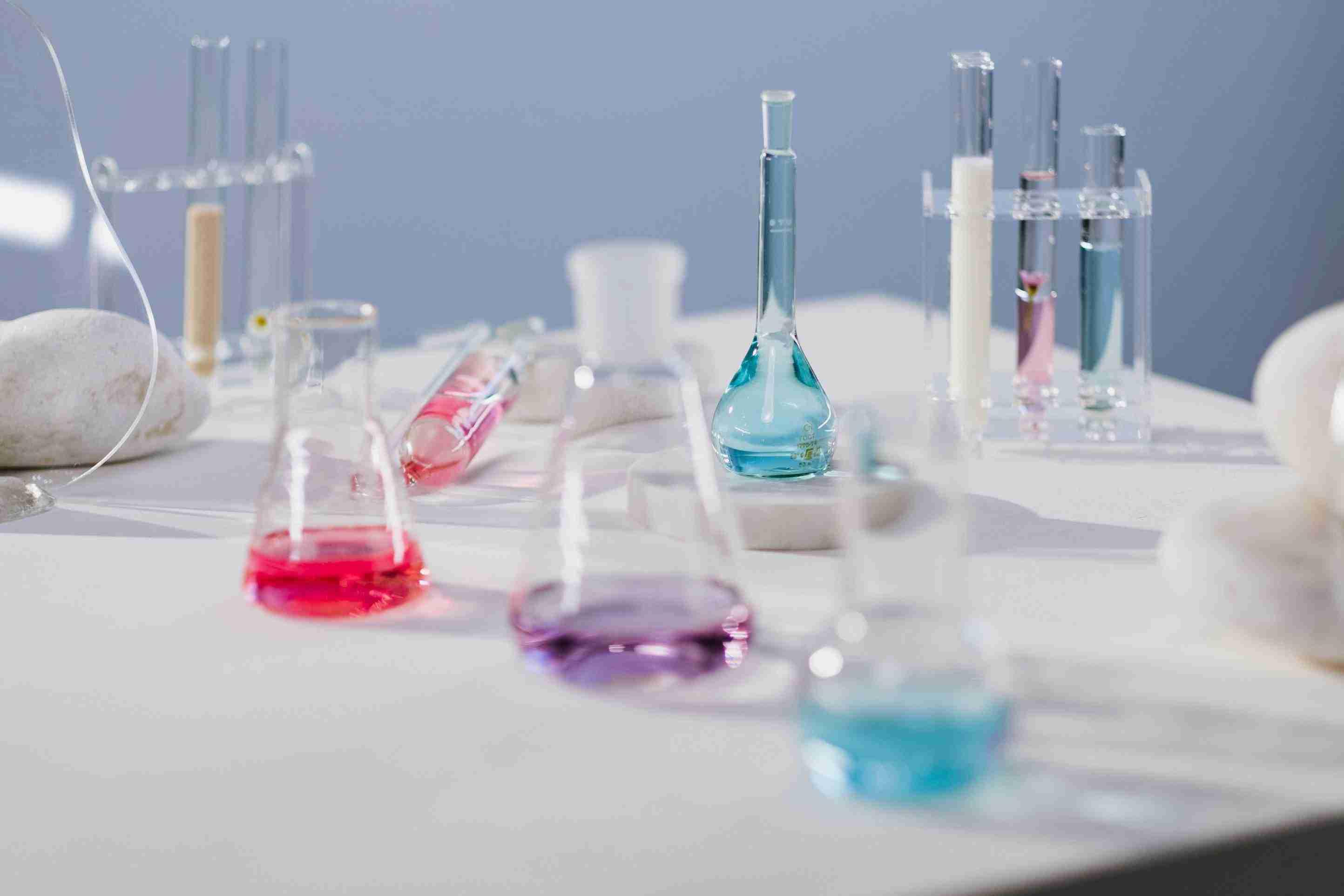
Core Unique Pain Points of Academic Labs Without a Specialized Documentation System
Academic research operates under vastly different constraints than commercial biotech R&D: constant student turnover, limited university IT budgets, multi-year long-term research projects, grant-mandated data archiving rules, and varying skill levels between undergraduates, master’s students, PhD candidates, and postdocs. Traditional paper and generic digital tools create six irreversible academic research barriers:
1. Massive Institutional Knowledge Loss From Student Graduation & Team Rotation
The top pain point for all university PI labs: every graduation, student rotation, or postdoc departure takes critical experimental knowledge with them. Handwritten notebooks are often lost, damaged, or filled with illegible handwriting; raw gel images, sequencing data, and optimized plasmid designs remain trapped on personal student laptops. New graduate students spend months redoing failed trials simply because past optimized protocols and troubleshooting records cannot be traced.
2. Fragmented Data Silos Break Molecular Research Reproducibility
Academic molecular labs rely heavily on cloning, CRISPR editing, and PCR workflows that require tight linkage between in silico sequence design and bench experiment logs. Most university groups use separate paid sequence software, generic cloud drives, and unstructured paper notes, forcing students to manually copy sequence data or attach static PDF maps. Outdated sequence file attachments create untraceable version mismatches, leading to unreproducible results, rejected manuscripts, and slowed graduation timelineszettalab.a....
3. Disorganized Records Fail Grant & Institutional Audits
University research relies on government, foundation, and institutional grants that require full traceable data archives for periodic audits. Scattered paper notebooks, unlabeled drive folders, and incomplete student notes force PIs and lab managers to spend weeks manually sorting experimental records ahead of grant reviews, risking funding cuts due to incomplete documentation evidence.
4. Steep Learning Barriers for New Student Researchers
Generic enterprise ELNs and complex lab software require lengthy training, a major burden for labs with rotating undergraduate and graduate students. Clunky, rigid platforms discourage consistent documentation, leading students to skip detailed parameter logging and cut corners on record-keeping.
5. Disorganized Raw Data Delays Journal Manuscript Submission
Top academic journals now enforce strict reproducibility standards, requiring complete raw experimental data, full protocol records, and sequence design lineage alongside manuscripts. Labs using disjointed storage systems spend weeks compiling gel images, sequencing chromatograms, and experiment logs for peer review, delaying publication timelines significantly.
6. High Cumulative Software Costs for Cash-Strapped University Labs
Many academic groups stack separate subscriptions for sequence design software, generic cloud storage, and basic standalone ELNs, creating unaffordable recurring software overhead for limited departmental research budgets.
Must-Have Features of an Experiment Documentation System Built for Academic Labs
A university-focused documentation system must balance flexible exploratory research freedom with standardized record integrity, while catering to rotating student teams and limited academic budgets. These eight core capabilities separate academic-tailored platforms from rigid commercial GLP ELNs:
1. Intuitive, Student-Friendly Cloud Interface With Minimal Training
No complex local installation or server setup; browser-based cloud access lets students log experiments from lab benches, campus offices, or home laptops. Pre-built molecular workflow templates eliminate blank document confusion, enabling new undergraduates and first-year graduate students to adopt standardized logging within minutes without lengthy training.
2. Native Integrated Molecular Sequence Design (Critical for Academic Molecular Labs)
Unified ZettaGene plasmid/primer design and ZettaCRISPR sgRNA editing tools built directly into the documentation system, eliminating third-party sequence software subscriptions. One-click bidirectional linkage syncs full construct design history, off-target analysis, and sequence maps to experiment logs, permanently resolving design-bench traceability gaps for student cloning and gene editing projects.
3. Centralized, Lab-Owned Permanent Knowledge Archive
All experiment records, sequence designs, troubleshooting logs, and raw validation data are stored in lab-owned shared cloud folders, not individual student personal accounts. When students graduate, all research data remains archived under the PI’s lab workspace, eliminating permanent knowledge loss and enabling seamless project handoffs between student cohorts.
4. Balanced Flexibility + Standardized ALCOA+ Foundational Guardrails
Academic research requires exploratory flexibility for novel trial protocols, while journals and grants demand complete data integrity. The system provides locked mandatory core logging fields (reagent batches, reaction parameters, cell culture details) to avoid incomplete records, plus fully customizable auxiliary sections for custom student exploratory assays — balancing creative research freedom with reproducibility standards.
5. Low-Cost, Scalable Academic Pricing Tiers
Budget-friendly subscription plans tailored for university research groups, with free trial access for student pilot testing, volume discounts for large multi-PI departmental deployments, and flexible team size scaling as graduate student cohorts expand or shrink year over year.
6. Collaborative Cross-Year Team Review & Comment Workflows
Built-in threaded inline commenting lets PIs, postdocs, and senior students annotate student experiment logs in real time, providing timely feedback on experimental design, parameter setup, and troubleshooting without in-person meetings. Role-based permissions separate student data entry rights, PI full review access, and visiting scholar read-only access.
7. One-Click Publication & Grant Audit Export Packages
Consolidated PDF exports bundle complete experiment logs, linked sequence design history, attached gel/sequencing raw data, and structured audit trails into single shareable files. Students can quickly compile full datasets for manuscript supplementary materials, while PIs instantly generate organized record archives for institutional and grant audits without manual file sorting.
8. Long-Term Searchable Project Archiving
Powerful cross-filter search functionality lets researchers quickly locate historical experiments by construct ID, reagent, student name, project title, or date range — a massive upgrade over manually flipping through shelf-stored paper notebooks. Multi-year project folders preserve longitudinal research data for long-term PhD thesis and multi-study publication pipelines.
Key Academic Research Benefits of Adopting a Unified Experiment Documentation System
1. Eliminate Knowledge Loss During Student Graduation & Rotation
All lab experimental knowledge is centralized in permanent cloud archives owned by the PI’s research group, not individual student devices. New graduate students can instantly review years of past optimized protocols and failed trial data, cutting redundant lab work and speeding thesis progress.
2. Improve Research Reproducibility & Accelerate Journal Publications
Standardized mandatory parameter logging and native sequence-to-log linkage eliminate undocumented experimental variables and design version mismatches, producing complete, peer-review-ready records that meet all modern journal reproducibility requirements and reduce manuscript revision delays.
3. Simplify Grant Compliance & Institutional Audit Preparation
Fully traceable, attributable, searchable digital records eliminate weeks of manual document sorting for grant audits, institutional research reviews, and university data integrity checks, lowering administrative burden for overloaded PIs and lab managers.
4. Cut Academic Lab Software Operating Costs
All-in-one integration of sequence design, experiment logging, and raw data storage removes the need for separate third-party software subscriptions, significantly reducing recurring departmental research software expenses for budget-limited university labs.
5. Lower Student Training Burden for Lab Onboarding
Pre-built molecular workflow templates and intuitive cloud UI drastically reduce the time senior students and postdocs spend training new undergrad and graduate researchers on proper documentation practices.
 Zettalab: Optimized Experiment Documentation System for Academic Molecular Labs
Zettalab’s unified cloud R&D ecosystem is engineered to address the unique budget, student turnover, publication, and grant audit needs of university academic labs, avoiding the overcomplicated rigid GLP architecture of enterprise commercial ELNs while retaining core data integrity standards for publishable research.
1. All-In-One Integrated Academic Workspace (No Disjointed Tool Subscriptions)
Zettalab bundles ZettaNote structured experiment logging, ZettaGene/ZettaCRISPR native sequence design, and ZettaFile centralized raw data storage into a single platform. Academic labs eliminate separate sequence editor, generic cloud drive, and standalone ELN costs, streamlining departmental software budgets.
2. Student-Focused Pre-Built Molecular Templates
ZettaNote ships ready-to-use customizable templates for core academic molecular workflows: plasmid cloning, Gibson assembly, CRISPR transfection, PCR validation, and cell culture assays. Lab PIs lock core reproducibility-critical fields to standardize student logging, while adding custom sections for novel exploratory student research projects.
3. Lab-Owned Permanent Data Archives to Prevent Knowledge Loss
All student-generated experiment records and sequence designs reside in PI-managed shared lab folders, independent of individual student accounts. Upon graduation, student data remains fully archived and searchable within the lab workspace, enabling seamless cross-cohort project handoffs and long-term thesis data retention.
4. Lightweight ALCOA+ Foundations for Publishable, Audit-Ready Data
While Zettalab avoids overly strict GLP restrictions unnecessary for basic academic discovery, it embeds core ALCOA+ data integrity rules: attributable user authentication, real-time contemporaneous timestamp logging, immutable edit version snapshots, and permanently bound raw data attachments. These standards satisfy journal reproducibility and grant audit requirements without stifling exploratory academic research.
5. Affordable Academic Pricing & Extended Free Trials
Zettalab offers dedicated academic discount plans for university research groups, plus extended free trial periods for PIs to test the full platform with their student teams before committing to a subscription, accommodating tight university research budgets.
6. Cloud Collaborative Workflows for Hybrid University Labs
Browser-based access supports on-campus bench work, remote student data analysis, and hybrid lab groups with part-time visiting students. Real-time PI commenting, cross-student record sharing, and tiered role permissions simplify supervision of large graduate and undergraduate cohorts.
Traditional Academic Lab Workflow vs Zettalab Academic Documentation System Workflow
Legacy Paper/Generic Drive Academic Workflow (High Risk & Low Efficiency)
- Students rely on handwritten notebooks and personal laptop storage for sequence designs and raw data
- Static FASTA/PDF sequence files manually attached to unstructured notes, creating version mismatches
- Gel images, sequencing files scattered across student personal drives, lost upon graduation
- No standardized logging rules, leading to incomplete parameters and unreproducible results
- Weeks of manual file sorting required for manuscript supplements and grant audits
- Cumulative costs from separate sequence software, cloud storage, and basic ELN subscriptions
Zettalab Optimized Academic Lab Documentation Workflow (Reproducible & Cost-Effective)
- All students access unified lab-approved molecular experiment templates via cloud browser
- Design plasmids and sgRNA constructs inside native ZettaGene/ZettaCRISPR, one-click sync to experiment logs
- Record all bench parameters, observations, and troubleshooting contemporaneously in structured fields
- Attach all gel, sequencing and assay raw data inline, permanently archived under PI lab folders
- One-click export complete traceable record packages for journal submissions and grant reviews
- All-in-one platform eliminates stacked third-party software subscriptions to cut lab costs
Academic Lab Documentation System Evaluation Checklist
- Does the platform offer affordable academic pricing and extended free trial access for university groups?
- Is native molecular sequence design integrated to eliminate separate third-party software?
- Are all lab data assets permanently archived under PI-owned shared folders to avoid student knowledge loss?
- Does the system balance customizable exploratory research fields and locked standardized reproducibility fields?
- Is the interface intuitive for new undergraduate and graduate students with minimal training?
- Can consolidated audit/publication-ready record packages be exported in one click?
- Does the platform implement core ALCOA+ standards to meet journal and grant audit requirements?
- Does cloud collaborative commenting and role-based access support multi-student PI research groups?
FAQ
1. Do academic labs need a dedicated digital documentation system if they do not perform GLP regulated research?
Yes. Even non-GLP academic discovery research faces critical pain points of student knowledge loss, poor reproducibility, grant audit requirements, and manuscript data compilation delays that paper notebooks and generic drives cannot resolve. A lightweight academic-focused documentation system establishes consistent record standards early for all student research projects.
2. How does Zettalab reduce data loss when graduate students graduate?
All experimental records, sequence designs and raw data are stored in PI-controlled lab cloud libraries, not individual student accounts. When students leave the lab, their research data remains fully searchable and accessible to the rest of the research group, eliminating permanent loss of optimized protocols and historical trial data.
3. Is Zettalab suitable for small single-PI molecular labs and large departmental multi-group deployments?
Zettalab scales flexibly: low-cost small-team plans for single PI graduate labs, and volume discounted departmental academic plans for shared multi-PI university core facilities, with identical core sequence integration and documentation functionality across all tiers.
4. Will the system add extra workload for busy graduate students?
No. Pre-built standardized templates, one-click sequence sync, and inline raw data attachment drastically cut manual documentation admin time compared to handwritten notebooks and manual cross-file data copying, letting students focus on bench experimentation instead of record formatting.
5. Can records created in Zettalab fully satisfy journal reproducibility guidelines?
Absolutely. Structured parameter logging, end-to-end sequence-to-bench traceability, permanently attached raw validation data, and immutable version history create complete, transparent experimental records that meet all modern life science journal reproducibility and supplementary data requirements.
Closing Thoughts
For academic molecular research labs, a purpose-built experiment documentation system is far more than a digital replacement for paper notebooks — it is a critical institutional knowledge repository that protects years of student research, improves experimental reproducibility, speeds up journal publications, and simplifies grant audit compliance. Generic document drives, standalone sequence software, and rigid commercial GLP ELNs fail to address the unique constraints of university research: rotating student cohorts, limited research budgets, exploratory discovery workflows, and multi-year longitudinal thesis projects.
Zettalab’s unified cloud experiment documentation system delivers a student-friendly, cost-effective, molecular-focused platform tailored exclusively for academic PI research groups. By combining native sequence design integration, lab-owned permanent data archiving, balanced standardized/flexible logging templates, collaborative student-PI review workflows, and academic budget-friendly pricing, Zettalab eliminates documentation chaos, knowledge loss, and unreproducible results plaguing university molecular labs.
University research PIs and lab managers looking to standardize student experiment documentation, protect lab research data from graduation-related loss, and streamline publication and grant audit preparation can schedule a personalized Zettalab academic demo or start a free extended trial to deploy a unified documentation system across their graduate and undergraduate research teams.
Related Articles