Drug Discovery vs Drug Development: Two Stages, Different Goals
Drug discovery is the search for a molecule with a desired biological effect, starting from a target and ending with a candidate, while drug development is the process of proving that candidate safe and effective through preclinical and clinical studies. For life science teams, the boundary between the two marks a fundamental change in goals, methods, and documentation standards.
The two terms are often used loosely together, but they are different enterprises. Discovery asks what could work; development asks what can be proven to work safely in humans. Understanding the boundary explains why a great discovery candidate can still fail in development, and why the documentation discipline expected of each stage is so different.
The Two Stages in One Comparison
| Dimension | Drug discovery | Drug development |
|---|---|---|
| Core question | Which molecule hits the target? | Is this molecule safe and effective in humans? |
| Typical work | Target validation, screening, optimization | Preclinical safety, clinical trials, manufacturing scale-up |
| Success measure | A lead candidate with promising activity | Regulatory approval and market readiness |
| Documentation style | Research records, flexible and exploratory | Regulated, traceable, audit-ready |
What Drug Discovery Produces
Discovery begins with a biological hypothesis: a target involved in disease that a molecule could modulate. The work is to validate that target, find hits through screening, and optimize them into lead compounds with the right combination of activity, selectivity, and drug-like properties. The output is a candidate molecule with supporting evidence that it is worth the enormous cost of development.
Discovery is exploratory by nature. Most hits fail, most leads are abandoned, and the documentation reflects a research workflow, flexible records that capture what was tried and learned. The goal is a candidate, not a proof of safety, and the standards of evidence, while rigorous, are those of research rather than regulation.
What Drug Development Must Prove
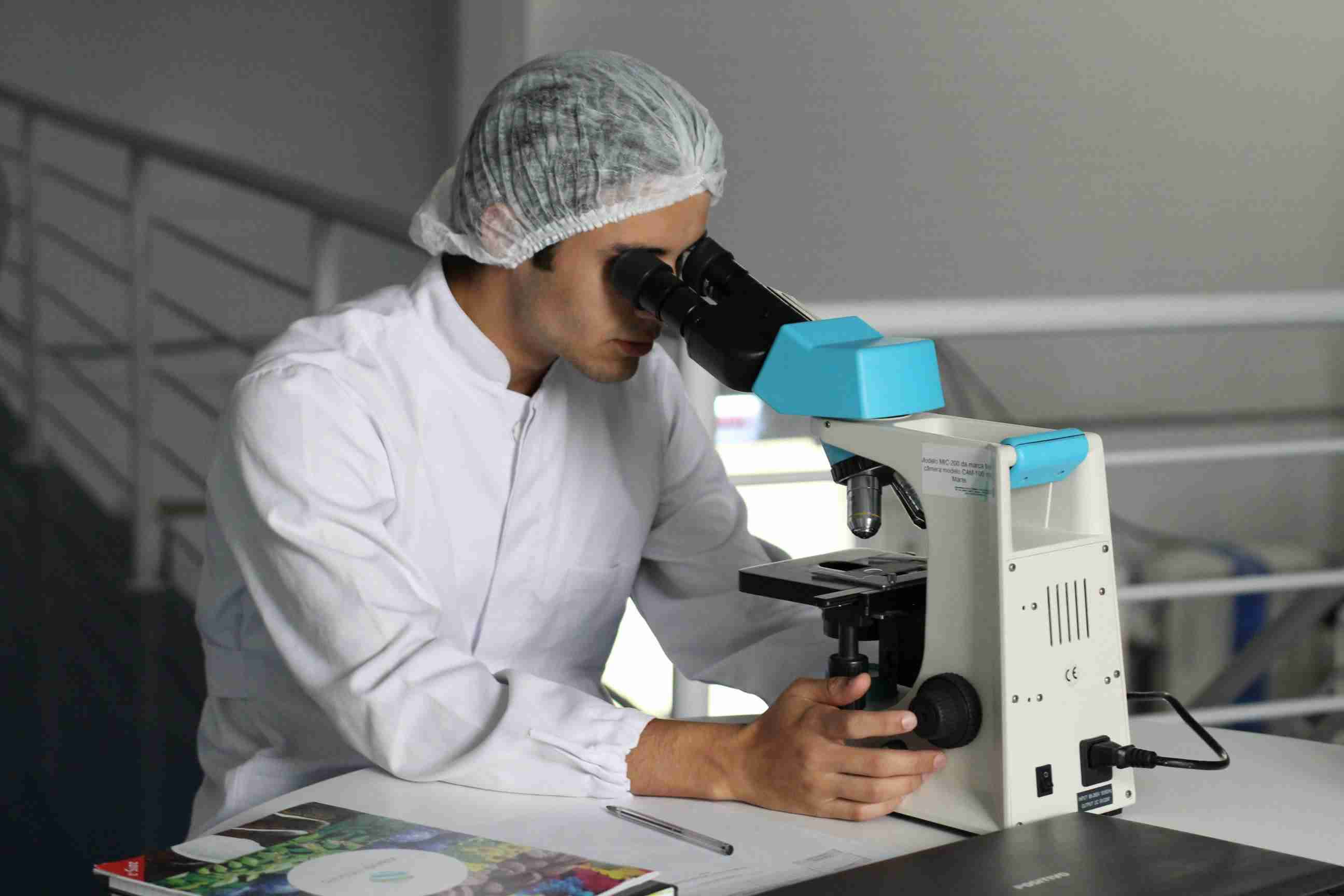
Development takes the candidate and builds the case for approval. Preclinical work establishes safety signals and dosing rationale in models; clinical trials then test safety and efficacy in humans across phases; manufacturing is scaled to produce the drug consistently. Every claim must be traceable to controlled studies, and the documentation must withstand regulatory audit.
The standards change fundamentally at this boundary. Records that were good enough for internal research become inadequate for development, where data integrity, traceability, and auditability are regulatory requirements. This is why teams moving a candidate from discovery into development face a documentation transformation, not just a change of activity.
Why Discovery Candidates Fail in Development
The failure rate between the stages is well known and often misunderstood. A discovery candidate can fail in development for reasons invisible at the discovery bench: toxicity that appears only in long-term models, metabolic instability, poor bioavailability, or manufacturing difficulty at scale. Discovery optimizes for activity; development exposes everything else that matters about a drug.
This is not a failure of discovery science but a difference in what each stage measures. Recognizing the difference sets realistic expectations: a validated lead is a beginning, not a near-guarantee, and the path from candidate to approval is where most of the risk and cost of drug development actually lives.
The Documentation Boundary Between the Stages
The most practical consequence of the boundary is documentation. Discovery records can be exploratory; development records must be controlled. A team whose records were built for research discovers, at the moment of transition, that its data lacks the structure, traceability, and review evidence that development and regulators require. The transition is smoother when traceability habits, versioned records, and documented review, are adopted early rather than retrofitted under deadline.
For teams managing this boundary, the same disciplines apply as in other regulated life science work: source data linked to conclusions, versioned documents, and review evidence preserved. Connected documentation that keeps experiments, data, and review together from the start reduces the transition cost. For teams that want research documentation structured for traceability, Zettalab links experiment records with file management and review collaboration, so discovery-stage records already carry the discipline development will demand.
FAQ
What is the difference between drug discovery and drug development?
Drug discovery searches for a molecule with the desired biological effect, moving from target validation through screening to a lead candidate. Drug development proves that candidate safe and effective, through preclinical studies, clinical trials, and manufacturing scale-up, to support regulatory approval. Discovery asks what could work; development proves what works safely in humans.
Which comes first, drug discovery or development?
Discovery comes first: it produces the candidate molecule. Development follows, testing that candidate. The two overlap in practice, with development-oriented work such as early safety assessment often beginning before the final candidate is locked, but the logical sequence is discovery producing a candidate and development proving it.
Why do most drug candidates fail during development?
Development exposes properties discovery did not measure: toxicity in long-term models, metabolic instability, poor bioavailability, or manufacturing difficulty at scale. Discovery optimizes primarily for activity against the target, while development must demonstrate safety, efficacy, and manufacturability across many dimensions. The failure rate reflects this difference in what the stages measure.
How does documentation differ between discovery and development?
Discovery documentation is research-style: exploratory records that capture what was tried and learned. Development documentation is regulated: every claim traceable to controlled studies, records versioned and audit-ready. Teams transitioning a candidate face a documentation transformation, which is cheaper when traceability and review discipline are adopted early rather than retrofitted at the boundary.
Conclusion
Drug discovery and drug development answer different questions with different standards: discovery finds a candidate, development proves it. The boundary between them explains the pipeline's failure rate and the jump in documentation requirements. To keep research records structured for traceability from the start, explore Zettalab's cloud-based R&D lab platform.
Related Articles