How to Choose a DNA Extraction Method: Sample Type and Purity
Choosing a DNA extraction method means matching the isolation chemistry and format to the sample type and to the purity and yield the downstream assay demands. For molecular biology teams, extraction is the upstream step whose quality quietly determines whether PCR, sequencing, and cloning results are trustworthy.
There is no single best extraction method; there is a best method for a given sample and downstream use. Blood, tissue, plants, bacteria, and FFPE material present different lysis and contamination challenges, and the assay that follows sets the purity bar. This guide covers how to choose by sample type and downstream requirement.
The Main Extraction Formats in One Comparison
| Format | Mechanism | Best fit |
|---|---|---|
| Spin column | Silica membrane binding | Routine lab samples, consistent quality |
| Magnetic beads | Bead-bound DNA, magnet separation | Automation, high throughput |
| Organic (phenol-chloroform) | Phase separation | High yield from difficult or diverse tissues |
| Salting out | Precipitation without organic solvents | Large samples, cost-sensitive workflows |
Sample Type Sets the First Requirement
The sample determines the lysis problem. Bacterial and cultured cells lyse easily and give clean DNA with almost any method. Mammalian tissue needs homogenization and carries more protein and lipid. Plant material adds polysaccharides and polyphenols that co-purify and inhibit downstream enzymes. FFPE tissue carries crosslinks and degradation that demand specialized protocols. Each of these differences constrains which methods will work at all.
The practical rule is to start from the sample matrix and check that the method is validated for it. A method that performs beautifully on blood may fail outright on a high-polysaccharide plant sample, not because the method is bad but because the matrix demands different chemistry. Matching method to matrix is the first selection axis, ahead of any yield or convenience comparison.
Downstream Assay Sets the Purity Bar
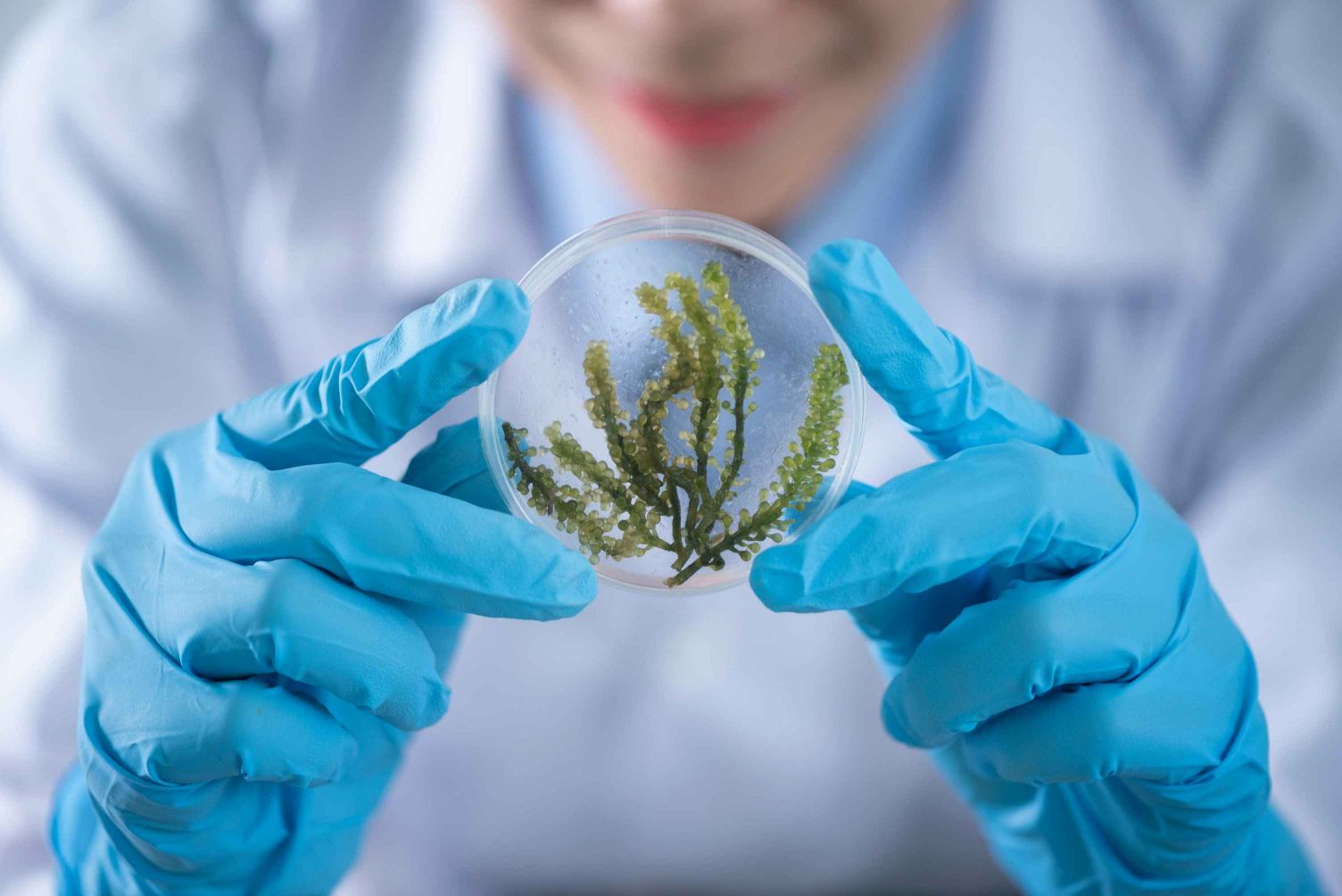
The second axis is what the DNA will be used for. PCR tolerates moderate contamination and modest purity, which is why quick extraction methods serve genotyping well. Sequencing, especially long-read sequencing, wants high-molecular-weight DNA with minimal shearing and clean absorbance ratios. Sensitive applications such as single-cell or FFPE-based assays may need optimized kits to recover usable DNA at all.
Purity is usually assessed by absorbance ratios: the A260/A280 ratio reflects protein contamination and the A260/A230 ratio reflects carryover of salts, phenol, or carbohydrates. Rather than aiming for a universal ideal, teams should define the acceptance range their assay needs and choose a method that reliably meets it for their sample type.
Yield, Throughput, and Automation
Beyond chemistry, the operational requirements shape the choice. A research lab processing a few samples per week will weigh simplicity and consistency; a screening operation processing hundreds of samples needs magnetic bead formats on automation. Yield expectations follow the sample's DNA content: a milligram of cultured cells yields far more DNA than the same mass of dilute clinical material, so throughput planning should start from realistic per-sample yield.
Cost and hands-on time matter as well. Organic extraction is inexpensive per sample but labor-intensive and solvent-heavy; column kits cost more per sample but are fast and consistent; magnetic beads are the most automatable. The right choice balances these against the volume and sensitivity of the lab's actual work.
Recording the Extraction Context
Extraction is part of the traceable chain between sample and result. Recording the sample identity, the method and kit, the yield, and the purity readout lets a reviewer know what a result was built on. When a downstream assay behaves unexpectedly, the extraction record is the first place to look, because poor or variable extraction is one of the most common hidden causes of assay failure.
This context becomes more valuable when it is attached to the sample's life through the experiment record, so a sequencing result can be traced back to the specific extraction that produced its DNA. For teams that want sample context, data files, and experiment records connected, Zettalab links structured documentation with team file storage, keeping extraction records and downstream results in one traceable workspace.
FAQ
How do I choose a DNA extraction method?
Choose by two axes: the sample type, which determines the lysis and contamination challenges, and the downstream assay, which sets the purity and yield bar. Confirm the method is validated for your matrix, then check that its typical purity, measured by absorbance ratios, meets what PCR, sequencing, or cloning requires. Operational factors like throughput and automation decide among the methods that qualify.
Which DNA extraction method is best for PCR?
PCR tolerates moderate purity and modest yield, so fast spin column methods serve most PCR workflows well and give consistent quality. Magnetic bead formats are the better choice when many samples must be processed in parallel. The key check is that inhibitors common to your sample type, such as polysaccharides in plants or heme in blood, are adequately removed so amplification is not suppressed.
What is the difference between column and magnetic bead DNA extraction?
Both bind DNA to silica, but in different formats. Spin columns capture DNA on a membrane inside a tube and are simple, consistent, and well suited to routine bench work. Magnetic beads bind DNA in solution and are collected with a magnet, which makes them easier to automate and better for high-throughput processing. The chemistry is similar; the operational fit differs.
How does sample type affect DNA extraction?
Sample type sets the lysis and contamination problem. Cultured cells lyse easily and give clean DNA, tissue needs homogenization, plants carry polysaccharides that co-purify and inhibit enzymes, and FFPE samples have degraded, crosslinked DNA requiring specialized protocols. A method must be validated for the specific matrix, because a method that works well on one sample type can fail on another.
Conclusion
Choosing a DNA extraction method is a two-axis decision: match the chemistry to the sample matrix, and match the purity and yield to the downstream assay. Recording the extraction context with the sample keeps the result traceable to its source. To connect sample records with downstream data and documentation, explore Zettalab's cloud-based R&D lab platform.
Related Articles