Digital Experiment Record vs Paper Lab Notebook: What Research Teams Should Know
The choice between a digital experiment record and a paper lab notebook is one of the most consequential decisions a research team can make—it shapes how science is documented, shared, and preserved for years to come. For molecular biology and biotech teams, this is not merely a matter of preference; it is a strategic choice that directly impacts reproducibility, collaboration, regulatory readiness, and the preservation of institutional knowledge. This guide compares digital experiment records and paper lab notebooks across the dimensions that matter most to modern research teams, helping you make an informed decision for your lab.
What Is a Digital Experiment Record?
A digital experiment record—typically implemented through an Electronic Lab Notebook (ELN)—is software that enables researchers to record, organize, and secure their experiments in a digital format. Unlike a paper notebook, an ELN provides a centralized, searchable, and auditable environment for capturing experimental data, protocols, observations, and results.
Modern ELNs support rich data input: file attachments, hyperlinks to protocols, embedded images, time-stamped observations, and integration with laboratory instruments and analysis software. They offer features such as structured templates, metadata tagging, version control, automated backups, and role-based access controls. Today's ELNs range from basic SaaS tools to enterprise-grade systems capable of supporting global R&D operations.
What Is a Paper Lab Notebook?
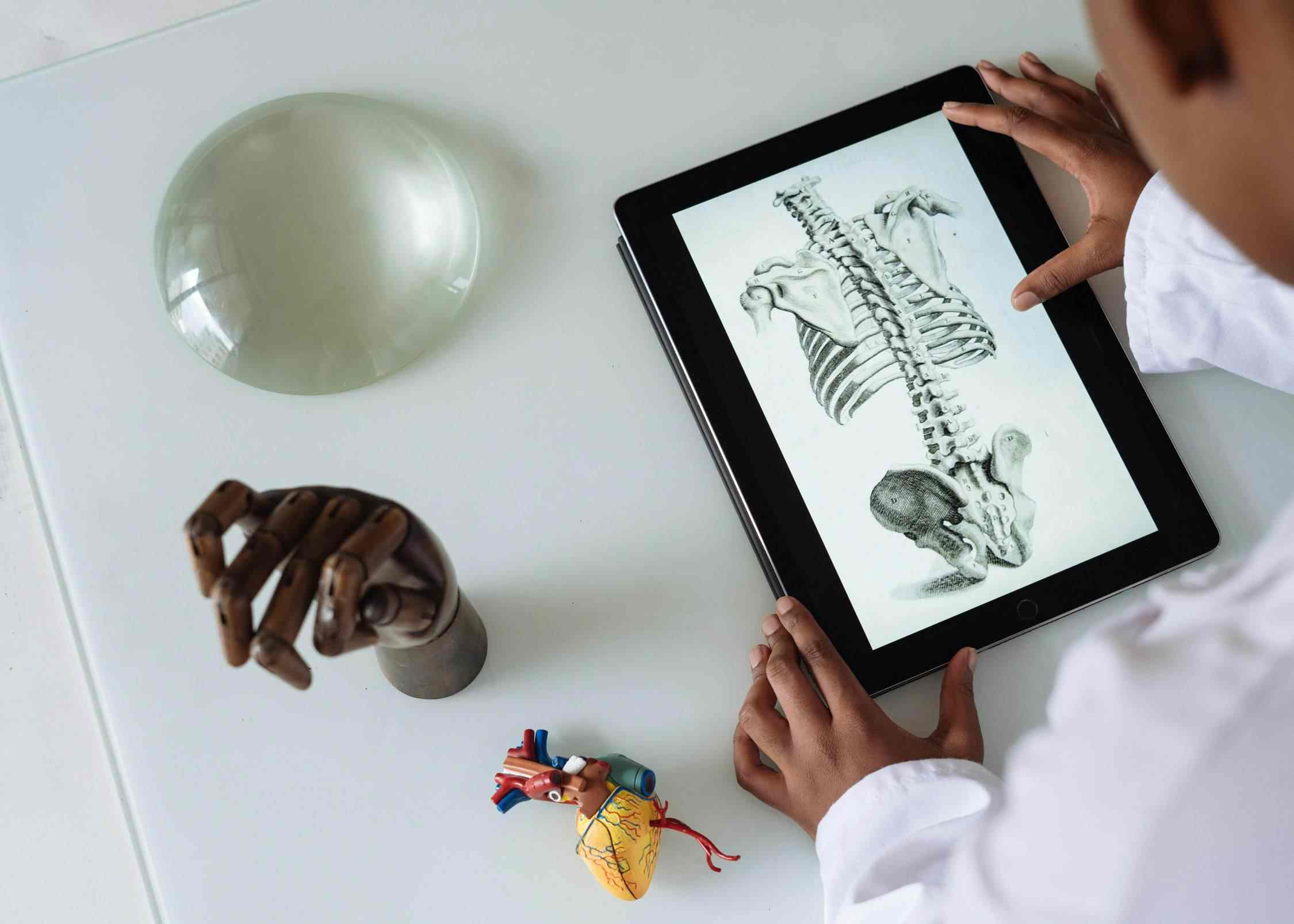
The paper lab notebook has been the gold standard for recording scientific observations for generations. These notebooks are typically bound, permanently paginated, and used to handwrite experimental procedures, results, and analyses in real time. Paper notebooks offer simplicity, tactile control, and legal acceptance in many institutional and patent settings—each entry is often signed and dated, with witness signatures used to validate important discoveries.
Paper notebooks remain familiar, flexible, and inexpensive—ideal for quick sketches or conceptual work. They require no logins, software glitches, or server downtime that could interrupt an experiment. However, as research scales and data volumes grow, the physical limitations of paper increasingly constrain modern research.
A Side-by-Side Comparison
| Aspect | Paper Lab Notebook | Digital Experiment Record (ELN) |
|---|---|---|
| Accessibility | Available only on-site | Online access from anywhere |
| Data Security | Risk of loss, theft, or damage | Secure storage, automatic backup, encryption |
| Search & Retrieval | Manual, time-consuming page-by-page search | Instant keyword search across all records |
| Collaboration | Limited to one person at a time | Real-time collaborative work, shared access |
| Audit Trail | Witness signatures, no automatic tracking | Automatic timestamps, version history, user attribution |
| Integration | None | Connects with lab instruments, analysis software, LIMS |
| Data Integrity | Relies on researcher discipline | System-enforced via structured templates and audit trails |
| Regulatory Compliance | Difficult to demonstrate | Built-in support for FDA 21 CFR Part 11, ISO |
| Long-term Cost | Ongoing purchase, physical storage costs | Initial investment, reduced paper and storage costs |
The Reproducibility Challenge
Reproducibility remains a persistent challenge across the life sciences. Fragmented record-keeping—data scattered across paper notebooks, spreadsheets, and digital files with minimal structure—makes it hard for researchers to find and understand their own work years later, let alone reuse others', creating barriers to collaboration, risking data loss, and exacerbating the reproducibility crisis.
Paper's Limitations. Paper-based experimental records account for 17% loss of all research data. A single notebook cannot be in two places at once, making collaboration and knowledge transfer cumbersome. Misplaced or damaged books can erase weeks of work and valuable context. Manual transcription of instrument data—from paper notebooks to computers—slows down analysis, increases the risk of human error, and compromises data integrity.
Digital's Advantage. Electronic lab notebooks automatically record timestamps, preserve edit histories, and track user activity, ensuring transparency and protecting intellectual property. More importantly, ELNs link experimental data directly to associated files, protocols, and analytical results, creating an unbroken chain of traceability. This transforms raw data into defensible scientific evidence, critical for audits, patent filings, and regulatory reviews.
The Collaboration Divide
Research in molecular biology and biotechnology is inherently collaborative, yet paper notebooks fundamentally limit how teams can work together.
Paper Creates Silos. Paper notebooks are physical objects that can only be in one place at a time. Sharing data requires photocopying, scanning, or manually transcribing information—all of which introduce errors and delays. Different research groups often have minimal insight into each other's work on a given project, making cross-group collaboration inefficient and prone to information loss.
Digital Enables Real-Time Collaboration. ELNs allow multiple researchers to work on the same project simultaneously, regardless of their location. They provide a shared digital workspace where teams can access, comment on, and build upon each other's work in real time. By providing a shared digital workspace, ELNs make it easier for researchers to collaborate, whether within their own team or with external partners.
The Compliance Imperative
For teams in regulated environments—or those that aspire to be—compliance is non-negotiable. The difference between paper and digital records in this area is stark.
Paper's Compliance Burden. Paper notebooks can support compliance, but doing so requires extraordinary discipline. Entries must be made in permanent ink, pages must be numbered and cannot be removed, corrections must be lined through (not obliterated) and initialed and dated, and witnesses must sign and date important entries. Even with these precautions, demonstrating data integrity to a regulator requires manually assembling records and hoping nothing was lost.
Digital's Built-in Compliance. Electronic lab notebooks provide robust solutions to meet stringent regulatory requirements. Compliant ELNs rely on validated platforms, secure authentication, role-based permissions, and audit trails that capture and preserve every material change. A proper ELN includes secure, compliant audit trails that cannot be deleted or overwritten. This provides irrefutable proof of who accessed the document, what changes were made, and when—exactly what regulators expect.
The Searchability Gap
As projects accumulate over months and years, the ability to find past work becomes critical. This is where paper and digital records diverge most dramatically.
Paper's Search Problem. Paper notes are not automatically searchable; retrieving details well after an experiment was conducted may be tedious and time-consuming—if at all possible. Finding a specific experiment requires knowing approximately when it was performed and flipping through pages manually. Valuable information is effectively lost once the notebook is closed and shelved.
Digital's Search Advantage. ELNs are easily searchable across notebooks, experiments, notes, and attached files. Researchers can instantly find experiments by keyword, date, researcher, project, or any metadata field. This transforms institutional knowledge from a fragmented collection of physical notebooks into a searchable, reusable asset.
The Cost Question
While pricing often dominates early discussions, the true value of a lab notebook system lies in its ability to enhance data quality, strengthen collaboration, and simplify compliance.
Paper's Hidden Costs. Paper notebooks have low upfront costs, but cumulative expenses arise from physical storage, loss risks, and inefficiencies. Perhaps the greatest hidden cost is that knowledge is trapped—data remains in an individual's notebook, often indecipherable to others and lost when the researcher leaves.
Digital's ROI. ELNs require initial setup costs and ongoing subscription fees but offer long-term ROI through saved time, reduced errors, and improved data accessibility. The global ELN market, valued at USD 0.72 billion in 2025, is projected to reach USD 1.03 billion by 2030—a clear indication that organizations recognize the value.
When Paper Still Makes Sense
Paper notebooks still have a place in certain contexts. They are ideal for quick sketches, conceptual work, or fieldwork where digital access may be limited or unreliable. They offer unmatched reliability under any conditions—no crashes, freezes, or corrupted files. For small teams or simple academic use with minimal compliance requirements, paper may still be sufficient.
The Shift Toward Digital
Despite paper's enduring presence, the trend is unmistakable. ELNs are becoming the standard for modern labs—especially when collaboration, compliance, or data valorization are needed. Funders and journals increasingly mandate FAIR data principles (Findable, Accessible, Interoperable, Reusable), creating pressure for better data management practices.
However, implementing an ELN is a sociotechnical challenge, not merely a technical one. It requires thoughtful planning, cultural change, and ongoing support. Resistance to change, perceived cost, and lack of training remain barriers. But advances in cloud-based ELNs, affordable hardware, and growing pressure for FAIR data have created the conditions for widespread adoption.
How Zettalab Supports Digital Experiment Records
Zettalab is designed as a cloud-based R&D workspace that brings molecular biology tools, experiment documentation, file storage, and team collaboration into a unified platform. For teams transitioning from paper to digital experiment records, Zettalab offers several integrated capabilities.
ZettaNote provides a structured electronic lab notebook with templates, annotations, cross-references, and permission-aware collaboration. Team members can document experiments in a consistent format, add comments and tags, and reference related experiments or files. The platform supports individual user accounts with unique credentials, ensuring attribution for every action. ZettaNote provides automatic timestamps, version history, and audit trails that track every change—transforming raw experimental data into defensible scientific evidence.
ZettaGene supports DNA sequence visualization, editing, plasmid construction, primer design, and sequence alignment. By keeping sequence design tools in the same workspace as experiment records, ZettaGene enables researchers to link experimental observations directly to the sequence data that informed them—creating the unbroken chain of traceability that paper notebooks cannot provide.
ZettaFile provides team-friendly file storage with permission management, online document editing, and batch upload and download. Researchers can attach sequencing traces, gel images, protocols, and other files to experiment records, keeping all relevant materials in one place with clear access controls.
Together, these components support a workflow where experiment records are not a separate administrative task but an integrated part of the research process—delivering the searchability, collaboration, and auditability that modern molecular biology teams require.
FAQ
What is a digital experiment record?A digital experiment record—typically implemented through an Electronic Lab Notebook (ELN)—is software that enables researchers to record, organize, and secure their experiments in a digital format, with features such as structured templates, search, version control, and audit trails.
What are the main advantages of an ELN over a paper notebook?ELNs offer instant searchability across all records, real-time collaboration, automatic audit trails with timestamps and user attribution, secure storage with automatic backup, integration with lab instruments, and built-in support for regulatory compliance.
Is a paper lab notebook still acceptable for regulatory submissions?Paper notebooks can support compliance, but doing so requires extraordinary discipline—permanent ink, numbered pages, witnessed signatures, and meticulous record-keeping. For most regulated environments, ELNs provide a more reliable and auditable solution.
How much data is lost from paper notebooks?Paper-based experimental records account for 17% loss of all research data. Misplaced or damaged books can erase weeks of work and valuable context.
Can an ELN replace a paper notebook for all research types?Not necessarily. Paper notebooks remain ideal for quick sketches, conceptual work, or fieldwork where digital access may be limited. For data-intensive, collaborative, or regulated research, ELNs offer clear advantages.
What is an audit trail in an ELN?An audit trail is a secure, time-stamped log that records every action—who created, modified, or viewed a record, when, and what was changed. ELNs automatically generate these audit trails, while paper notebooks require manual witnessing.
How does searchability differ between paper and digital records?Paper notebooks require manual, page-by-page searching. ELNs offer instant keyword search across all records, experiments, notes, and attached files.
How does Zettalab support digital experiment records?Zettalab provides ZettaNote for structured ELN documentation with audit trails and version control, ZettaGene for integrated sequence design, and ZettaFile for secure file storage—all within a unified cloud-based workspace for molecular biology research.
Conclusion
The choice between a digital experiment record and a paper lab notebook is a strategic decision that shapes how science is documented, shared, and preserved. Paper notebooks offer familiarity, flexibility, and simplicity—but they cannot provide the searchability, collaboration, auditability, and data integrity that modern molecular biology research demands. Digital experiment records, implemented through ELNs, transform documentation from a fragmented, paper-based process into a structured, searchable, and auditable system that supports reproducibility, collaboration, and regulatory readiness.
The trend is clear: ELNs are becoming the standard for modern labs, especially when collaboration, compliance, or data valorization are priorities. The transition requires thoughtful planning and cultural change, but the benefits—instant search, real-time collaboration, automatic audit trails, and protected intellectual property—far outweigh the challenges.
Zettalab offers a cloud-based R&D workspace that brings these benefits together, with ZettaNote for structured ELN documentation, ZettaGene for integrated sequence design and analysis, and ZettaFile for secure file storage with permissions. Teams interested in exploring how digital experiment records can transform their research can start with a free trial or request a demo to see the platform in action.
Related Articles