Digital Experiment Log Template: Best Practices
A digital experiment log template is a chronological recording framework that captures laboratory activities, observations, and data entries in time-ordered sequence within a digital system. Unlike static experiment documentation that summarizes a completed study, a log template records work as it happens, preserving the temporal context that connects one day's actions to the next. For molecular biology teams managing multi-day cloning workflows, time-course experiments, or ongoing culture maintenance, a well-designed digital experiment log template ensures the sequence of events is traceable, searchable, and reproducible.
What Makes a Digital Experiment Log Different
A digital experiment log template differs fundamentally from an experiment record template. Record templates capture a complete experiment in a single structured form: objective, methods, results, and conclusions. Log templates capture activities as they occur over time, with each entry representing a discrete event, observation, or measurement connected to a broader project or experiment.
This distinction matters because many molecular biology workflows unfold across days or weeks. A cloning project may involve construct design on day one, primer ordering on day two, PCR on day three, gel analysis on day four, and purification on day five. Each step is an individual activity with its own observations, deviations, and data, but together they form a connected narrative. A log template preserves this narrative in a way that isolated experiment records cannot.
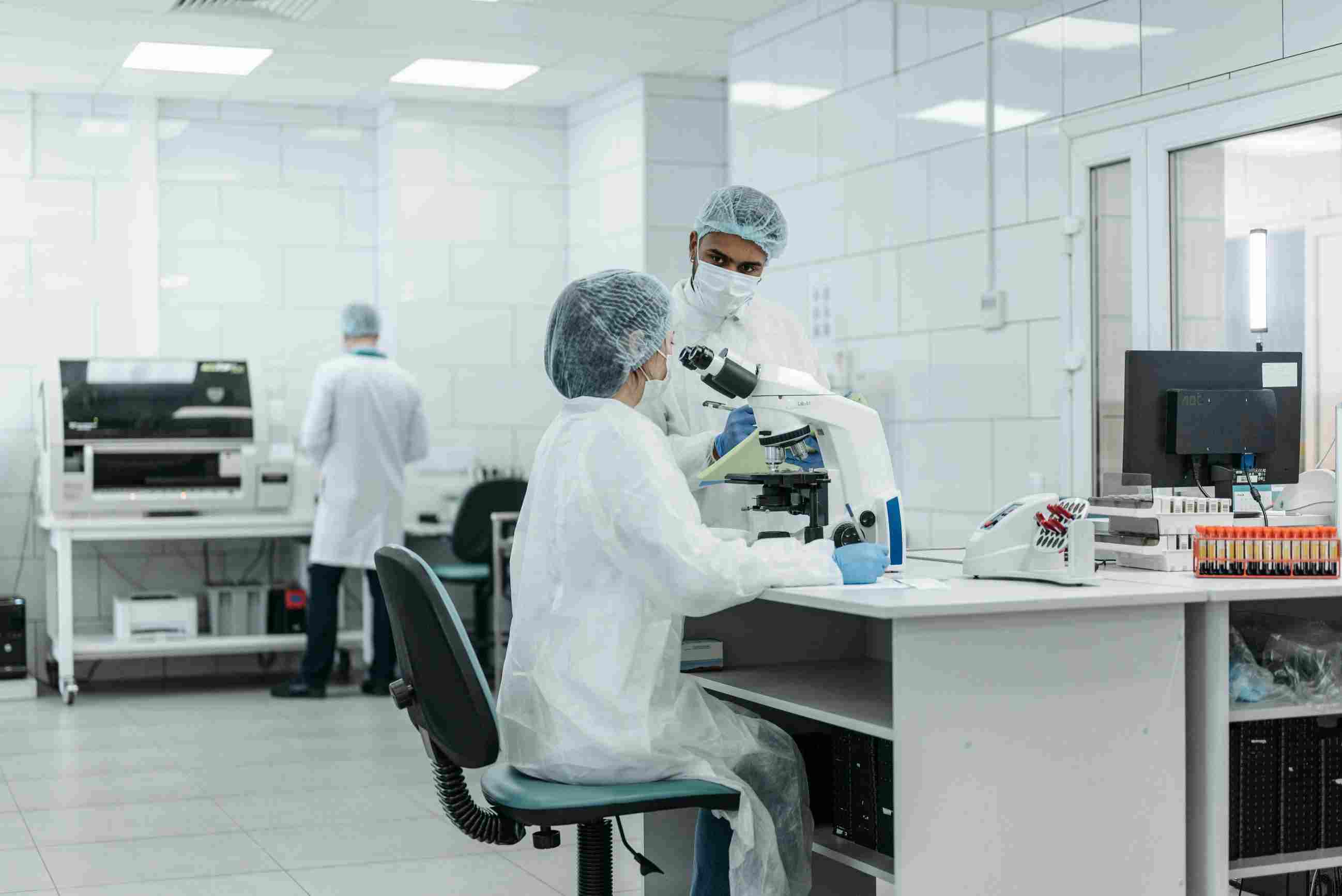
The temporal dimension also affects what gets documented. Log entries tend to capture real-time observations, immediate reactions to unexpected results, and informal notes about conditions or equipment state that would be lost if documentation were deferred until an experiment concludes. This immediacy produces richer, more accurate records than retrospective summaries written days or weeks after the fact.
Timestamp and Entry Structure in Log Templates
Timestamps are the structural backbone of any digital experiment log template. Every entry needs an associated timestamp that records when the activity occurred, providing the temporal context that makes log entries meaningful as a sequence rather than a collection of disconnected notes.
Timestamp precision should match the experiment type. For cell culture maintenance recorded once daily, date-level timestamps are sufficient. For time-course experiments with measurements taken at specific intervals, timestamps should capture hour and minute. For enzyme kinetics or reaction monitoring where seconds matter, sub-minute precision becomes necessary. The log template should support configurable timestamp granularity so teams can match precision to their documentation needs.
Entry structure within a log template should balance consistency with flexibility. Each entry benefits from a consistent format: activity type, brief objective, materials or samples involved, procedure or action taken, observations, and any deviations from expected protocol. This consistency makes entries scannable when researchers review logs chronologically and enables cross-entry searching when looking for specific patterns or events across time.
Some log templates use a minimal entry structure with just timestamp, activity description, and observations. Others include additional fields for reagent lot numbers, equipment identifiers, environmental conditions, or file attachments. The right level of detail depends on how the log will be used. Logs that serve primarily as personal notes can be leaner. Logs that feed into formal experiment records, regulatory submissions, or IP documentation need more structured detail to support downstream review.
Log Templates for Molecular Biology Workflows
Molecular biology experiments produce data types that are inherently temporal. Cell culture passage histories track growth and morphology changes across days. PCR optimization logs record how cycling parameters evolved across multiple attempts. Protein purification logs capture yield and purity at each chromatography step. Sequencing sample preparation logs track batch processing across time. Each of these data types benefits from a log template that preserves chronological order and connects related entries.
A cloning project log, for example, might begin with a construct design entry referencing plasmid maps and sequence files, followed by primer design and ordering entries, then PCR setup and results entries with gel images attached, followed by restriction digest entries, ligation entries, transformation entries, and colony screening entries. Each entry stands alone as a record of a specific activity, but the log connects them into a project-level narrative that traces the path from design to finished construct.
Log templates also support ongoing maintenance activities that do not fit neatly into discrete experiment records. Culture media changes, freezer inventory updates, reagent preparation batches, and equipment calibration records are all time-stamped activities that contribute to lab operations but are not individual experiments. A digital experiment log template captures these activities alongside experimental work, providing a complete picture of lab activity that supports troubleshooting when results are unexpected.
Protocol Versioning and Log Entry Relationships
Log entries and protocol versions are closely connected. When a researcher follows a protocol during a logged activity, the log entry should reference the specific protocol version used. Over time, as protocols are updated based on accumulated experience, the log entries that reference earlier versions provide context for why changes were made and what prompted them.
This relationship becomes important during reproducibility investigations. If a team needs to understand why an experiment produced unexpected results, the log entries reveal not only what protocol was followed but also any deviations that occurred during execution. A researcher might note in the log that incubation time was extended due to equipment unavailability, or that a reagent substitution was necessary due to supply constraints. These contextual details, captured in real time within log entries, are often absent from formal experiment records written after the fact.
Protocol versioning within log templates also supports knowledge transfer. When a new team member joins and needs to understand how a procedure has evolved, the combination of protocol versions and associated log entries provides a historical record of practice. The log shows what the team actually did, while the protocol documents what the team agreed should be done. Discrepancies between the two reveal informal adaptations that may deserve formal incorporation or deliberate elimination.
Using Log Entries for Team Review and Analysis
Digital experiment logs become more valuable when they serve as navigable records for team review, not just personal documentation. A well-structured log with consistent entry formats and meaningful tags becomes a searchable knowledge base that team members can query when they need historical context for current work.
Searchability depends on structured entry metadata. When each log entry includes activity type, project association, researcher attribution, and file references, team members can filter and search across the entire log history. A researcher preparing a PCR optimization experiment can search the log for previous optimization attempts, review what parameters were tested, and avoid repeating failed approaches. A lab manager investigating a contamination event can trace reagent usage and equipment access through log entries to identify potential sources.
Review practices work best when log entries are written with a future audience in mind. This means observations should be specific enough for another researcher to interpret, deviations should include rationale, and file attachments should be clearly labeled. Log entries written only for the author's immediate use tend to become cryptic over time, losing value as institutional memory. Training and team conventions should encourage documentation that serves both present and future readers.
Periodic log review also supports quality improvement. When teams regularly examine log entries during lab meetings or project reviews, they identify patterns that individual researchers might miss: recurring deviations from protocol, systematic issues with specific reagents or equipment, or documentation gaps that indicate unclear procedures. These insights feed back into template refinement and team process improvement, creating a cycle of continuous documentation quality enhancement.
Log Template Platform Requirements for R&D Teams
A digital platform for experiment log templates needs to support fast entry creation, automatic timestamping, and easy navigation through chronological history. Researchers will not maintain consistent logging habits if the platform introduces friction into the documentation process. Entry creation should take seconds, not minutes, and the interface should make it natural to add observations, attach files, and reference related entries or protocols.
Search capability across log entries is essential for the log to function as a team knowledge base rather than a personal archive. Full-text search, filtering by date range, activity type, project, or researcher, and cross-entry linking all contribute to making log content discoverable when it is needed. Without effective search, logs accumulate entries but fail to deliver value beyond the original author's memory.
Integration between log entries and other documentation types strengthens the overall system. When log entries can reference experiment records, project files, sequence designs, and team-shared protocols, the log becomes a navigable hub that connects different aspects of research documentation. This connectivity is particularly important in molecular biology workflows where a single project may involve dozens of interdependent activities across different tools and data types. Platforms that treat logs as isolated from other documentation force researchers to maintain connections manually, which becomes unsustainable as projects grow.
Zettalab for Digital Experiment Log Templates
Zettalab supports digital experiment log workflows through ZettaNote, which provides structured log templates with timestamped entries, file associations, and cross-references to experiment records and team members. ZettaNote enables teams to design, share, and maintain log templates that capture the temporal dimension of research work alongside formal experiment documentation.
For molecular biology teams, ZettaGene extends log entry value by connecting sequence design work and plasmid records to logged activities. When a log entry references a specific construct or primer design in ZettaGene, the connection preserves the relationship between design decisions and experimental actions across the project timeline.
ZettaFile supports the file management layer that log entries depend on. Gel images, sequence files, raw instrument outputs, and analysis results referenced in log entries are stored within the project file structure, keeping log-associated data organized and accessible. Teams can explore Zettalab's capabilities through the pricing page or request a demo to see how log templates integrate with experiment records and molecular biology tools.
Frequently Asked Questions
What is a digital experiment log template?
A digital experiment log template is a pre-structured framework within an electronic system that guides researchers through recording laboratory activities, observations, and data entries in chronological order. Unlike experiment record templates that capture a complete experiment in a single form, log templates record individual activities as they happen over time, preserving the temporal sequence that connects one day's work to the next. Each entry typically includes a timestamp, activity description, observations, and references to associated files or protocols.
How does a log template differ from an experiment record template?
A log template captures activities in time-ordered sequence as they occur, with each entry representing a discrete event such as a culture passage, a PCR run, or a reagent preparation. An experiment record template captures a complete experiment in a single structured form with objective, methods, results, and conclusions. Logs preserve the chronological narrative of how work unfolded over days or weeks, while records provide a consolidated summary of a defined study. In molecular biology workflows, both serve complementary roles: logs track the day-to-day activities, and records synthesize those activities into formal documentation for review, publication, or regulatory purposes.
Why are timestamps important in digital experiment logs?
Timestamps provide the temporal context that transforms a collection of notes into a meaningful chronological record. They establish when each activity occurred, enabling researchers to trace cause-and-effect relationships across time, correlate observations with environmental conditions or reagent changes, and reconstruct experiment sequences during reproducibility investigations. Timestamp precision should match the experiment type: date-level for daily culture maintenance, minute-level for time-course measurements, and sub-minute for reaction kinetics. Without reliable timestamps, log entries lose their primary value as a time-ordered narrative that supports team review and historical analysis.
How do digital experiment logs support reproducibility?
Digital experiment logs support reproducibility by capturing the complete sequence of actions, observations, and conditions that led to a result, including informal deviations and contextual details that formal experiment records often omit. When a researcher logs each step with timestamps, reagent lot numbers, equipment states, and real-time observations, the resulting record provides a detailed account of what actually happened during the experiment. This level of detail enables other researchers to reproduce not only the intended protocol but also the specific conditions and adjustments that influenced the outcome, which is essential for molecular biology experiments where timing and context significantly affect results.
What data types work best with chronological log templates?
Data types that change over time or depend on temporal sequence work best with chronological log templates. These include serial observations from cell culture passages, time-course experiment measurements, reagent usage and lot tracking, equipment maintenance and calibration records, environmental condition monitoring, and multi-step workflow progress such as cloning projects or purification series. Data types that represent single endpoints or final states, such as a completed construct design or a published protocol version, are better served by experiment record templates or project-centric documentation where temporal ordering is less important than content completeness.
How should log templates handle protocol versioning?
Log templates should reference the specific protocol version followed during each logged activity, creating a traceable connection between documented procedure and actual practice. When protocols are updated, earlier log entries referencing previous versions provide historical context for why changes were made. Deviations from protocol should be recorded within log entries with rationale, so the team can distinguish between planned procedural evolution and unplanned adaptations. This bidirectional relationship between log entries and protocol versions supports reproducibility investigations, regulatory submissions, and intellectual property reviews where the exact procedural history matters.
What makes chronological logs valuable for research teams?
Chronological logs are valuable because they preserve cause-and-effect relationships that are invisible when data is viewed in isolation. Earlier observations may explain later results, reagent changes may correlate with outcome shifts, and equipment maintenance events may account for data anomalies. For molecular biology teams running multi-day experiments, the chronological log provides the connective tissue between discrete activities, helping team members understand how decisions made early in a project influenced later stages. Logs also serve as institutional memory that persists beyond individual researcher tenure, supporting onboarding and knowledge transfer across team transitions.
How can teams use experiment logs for retrospective analysis?
Teams can use experiment logs for retrospective analysis by searching and filtering entries across time periods, activity types, projects, or researchers to identify patterns, recurring issues, or successful approaches. Well-structured log entries with consistent metadata enable queries like finding all PCR optimization attempts for a specific target, tracing a contamination event through reagent lot records, or reviewing all deviations from a particular protocol version. Regular review cycles during lab meetings or project milestones help teams extract actionable insights from accumulated log data, turning individual documentation into collective knowledge that informs future experimental design and process decisions.
What platform features support effective log template workflows?
Effective log template workflows require platforms that support fast entry creation with automatic timestamps, structured entry forms with consistent fields, full-text search across all log entries, filtering by date range and activity type and project, and cross-entry linking for navigating related activities. File association capabilities keep supporting data organized alongside log entries, while access controls ensure appropriate contribution levels across team members. Integration with other documentation types such as experiment records, protocol libraries, and sequence design tools connects log entries to the broader research context, making the log a navigable hub rather than an isolated chronological record that researchers must cross-reference manually.
Conclusion
Digital experiment log templates capture the temporal dimension of research work that static experiment records cannot preserve. By structuring entries around timestamps, consistent metadata, and protocol version references, log templates create chronological narratives that support reproducibility, team review, and institutional memory. For molecular biology teams managing multi-day workflows, ongoing maintenance activities, and evolving protocols, log templates provide the connective documentation layer that links discrete activities into traceable project histories. Choosing a platform that supports fast logging, effective search, and integration with experiment records and molecular biology tools ensures that log templates deliver value beyond individual note-taking and become a foundation for team-level research documentation.
Related Articles