Collaborative Research Records: How Teams Manage Data Across Institutions?
What Are Collaborative Research Records?
Collaborative research records represent the comprehensive documentation generated and maintained by multiple individuals or institutions working together on a shared research project. These records go far beyond raw data — they encompass the entire research lifecycle, from initial planning through final publication and long-term archiving. In an era of increasingly complex, multi-institutional research, well-maintained collaborative records are essential for ensuring scientific integrity, transparency, and reproducibility.
Key Components of Collaborative Research Records
Successful research collaboration depends on several critical documentation types:
Research Data and Datasets
The foundation of any collaborative record system, research data includes statistical tables, computational models, lab notebooks, clinical information, audio-visual materials, and large-scale datasets. Each data point must be accompanied by standardized metadata that ensures discoverability and proper reuse.
Planning Documents and Protocols
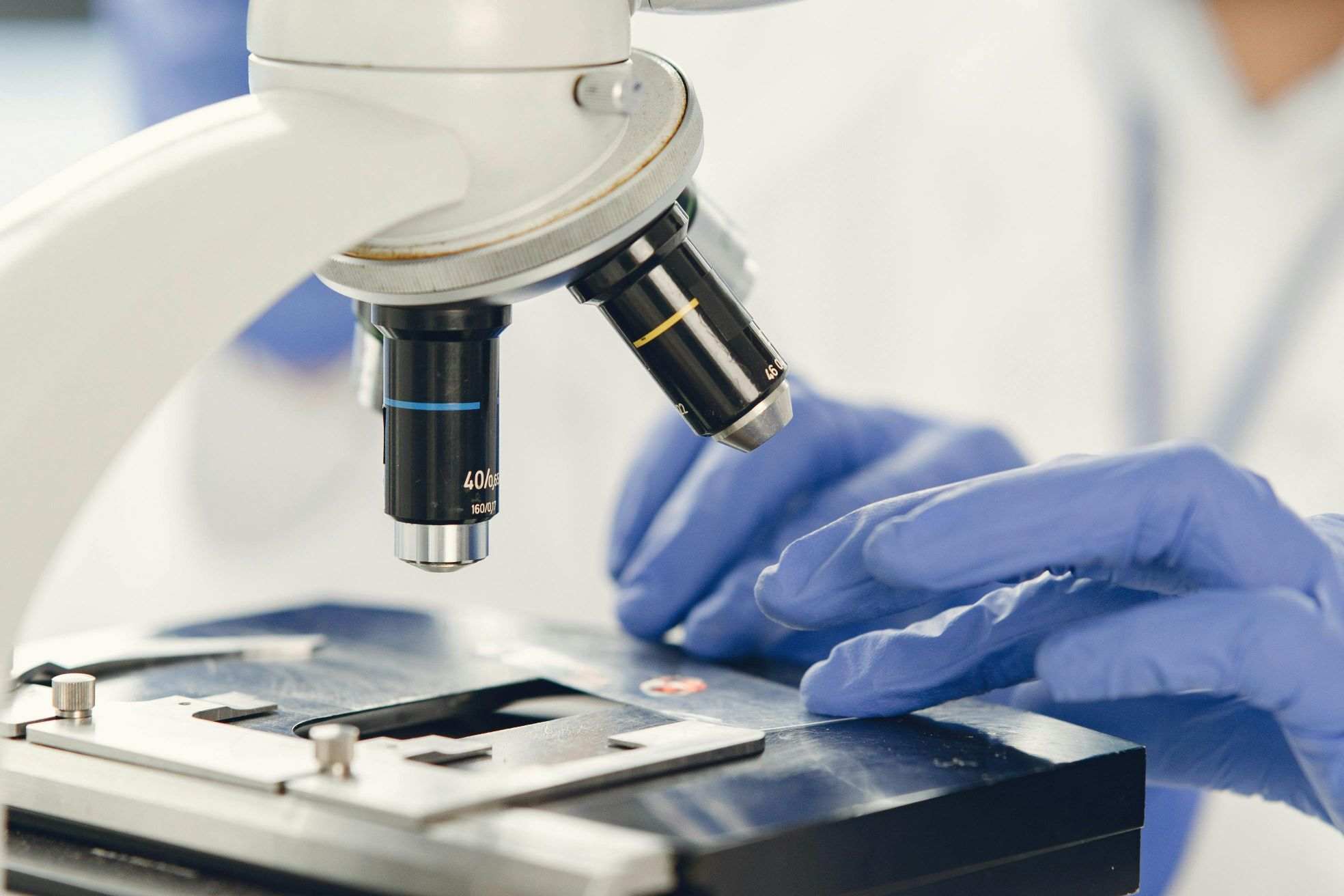
Before data collection begins, collaborative teams must establish clear documentation of research goals, specific objectives, methodologies, and experimental designs. These planning documents serve as a reference throughout the project and help maintain alignment among team members.
Data Management Plans (DMPs)
Funding bodies increasingly require formal Data Management Plans that detail how data will be collected, stored, documented, shared, and preserved throughout the project lifecycle. A well-crafted DMP ensures that all collaborators follow consistent practices.
Communication Records
Emails, meeting minutes, teleconference transcripts, and project management tool entries document the decisions, disagreements, and agreements that shape research direction. These records are invaluable for understanding how conclusions were reached.
Codebooks, Consent Forms, and Administrative Materials
Supporting documents such as variable codebooks, informed consent forms, ethical approval documentation, and grant materials complete the collaborative research record.
Why Effective Record Management Matters
Proper management of collaborative research records delivers tangible benefits across multiple dimensions. It strengthens research quality by fostering transparency and keeping results relevant. It helps teams meet ethical obligations, funder requirements, and publication standards. Well-organized records enable the reproducibility and reusability of findings — two pillars of modern scientific practice.
Beyond quality assurance, effective record management protects intellectual property through proper licensing arrangements and minimizes the risk of data loss. It also improves accountability by clearly documenting each team member's contributions and responsibilities.
Practical Strategies for Managing Collaborative Research Records
Establish Clear Roles and Communication Channels
Define each team member's responsibilities at the project's outset. Implement regular check-ins through shared platforms such as project management tools, shared drives, or collaboration software like Open Science Framework or Microsoft Teams.
Implement Standardized Organization
Use consistent folder hierarchies, file naming conventions, and metadata standards across all participating institutions. Standardization prevents confusion and makes it easier for new team members to locate and understand existing materials.
Leverage Version Control
Employ version control tools to track changes to documents and datasets. This prevents accidental overwrites and maintains a clear history of how research outputs evolved.
Plan for Sharing and Archiving
Prepare datasets for potential sharing by cleaning data, documenting methodologies, and packaging files with supporting materials. Adhere to FAIR principles — Findable, Accessible, Interoperable, and Reusable — and identify appropriate repositories for long-term archiving.
Common Challenges and How to Overcome Them
Collaborative research teams often face significant obstacles: geographically dispersed members, varying levels of data management maturity, incompatible institutional systems, and disciplinary differences in documentation practices.
Addressing these challenges requires robust upfront planning, formal written agreements outlining roles and publication plans, and a team culture that values open communication and diverse perspectives. Investing time in establishing shared workflows before data collection begins pays dividends throughout the project lifecycle.
Building a Foundation for Better Research
Collaborative research records are not administrative overhead — they are the backbone of trustworthy science. By investing in proper documentation practices, research teams can improve their efficiency, protect their findings, and contribute to a more transparent and reproducible scientific enterprise. Whether you are launching a new multi-site study or refining an existing collaboration, the principles outlined here provide a practical framework for record management that supports both immediate project goals and long-term research integrity.
Related Articles