How to Track Cloning Primer Orders, Synthesis Lots, and Expiry in Your Experiment Records
Cloning primer lot documentation is the practice of recording every ordering and delivery detail (sequence, supplier, order number, synthesis lot, delivery date, purification method, and concentration) in the experiment record where the primer is used.
Primers are consumables that change between synthesis runs, so an experiment recorded without its primer order details is difficult to reproduce or troubleshoot. For molecular biology researchers, lab managers, and cloning teams, this guide covers the fields a primer record needs, why synthesis lots matter for result traceability, and how to manage primer inventory and expiry in an electronic lab notebook.
What a Cloning Primer Record Should Contain
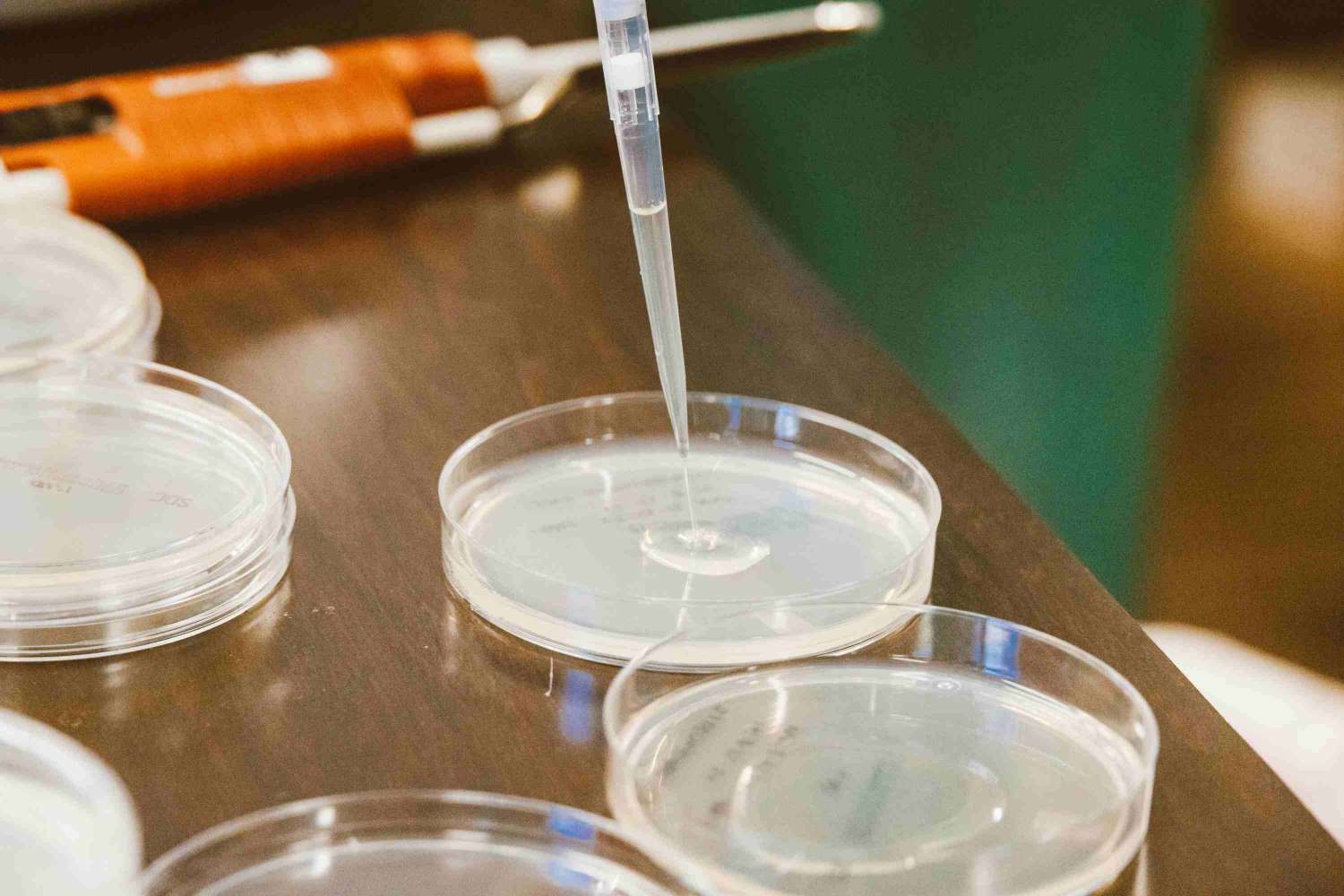
A primer record has a short capture moment and a long reuse life. The ordering details are entered once, when the order arrives, and every experiment that later uses the primer should reference that record. If the capture moment is skipped, the information is effectively lost: suppliers do not retain order context, and the tube label carries only a fragment of the story.
| Record field | What to capture | Why it matters |
|---|---|---|
| Primer name and sequence | Exact oligo sequence, orientation (forward or reverse), and the name the lab uses | Names drift between people; the sequence is the identity that survives |
| Supplier and order number | Vendor name, catalog or order number, and order date | Enables reordering the identical synthesis rather than a look-alike |
| Synthesis lot | Lot or batch number from the tube label and certificate of analysis | Links every experiment to one physical synthesis run |
| Delivery date | Date the tube arrived | Starts the storage timeline and expiry clock |
| Purification method | Desalted, HPLC, or PAGE grade | Sets quality expectations and is a first check when behavior changes |
| Scale and concentration | Nmol scale and stock concentration after reconstitution | Prevents concentration guessing during reaction setup |
| Reconstitution and storage | Buffer, volume, date, and storage temperature | Keeps working stocks reproducible between users |
The same fields work as an order checklist. When the lab captures them at delivery, team members can later answer the questions that actually come up: which lot was used in this experiment, when does this stock expire, and how do we reorder the identical synthesis. Without the record, those questions are answered from memory or from email archives, and the answers are frequently wrong.
Why Synthesis Lots Matter for Result Traceability
The same primer name can represent different physical products. Each synthesis run is a separate lot, and lots of the same sequence can differ in quality, contamination, or even identity. When a cloning experiment fails, the first troubleshooting question is often whether the primer was the problem. Without a lot number in the record, the team cannot connect the failure to a specific tube, and the troubleshooting loop starts over from scratch.
The traceability value runs in two directions. Forward, a recorded lot lets a lab identify every experiment that used a suspect primer if a supplier flags a defective batch. Backward, it lets a researcher confirm that the primer in a successful cloning was the same synthesis that produced the reported results. Labs can evaluate their documentation quality with one practical test: can someone answer, in minutes, which experiments used primer X from lot Y?
Managing Primer Inventory and Expiry
Primer tubes accumulate quickly in a cloning lab, and each one has a different life cycle. Lyophilized primers tolerate longer storage, while resuspended working stocks degrade with repeated freeze-thaw cycles and are more exposed to contamination. Recording the reconstitution date and storage conditions at the moment of preparation gives the inventory a factual basis instead of a guess.
Expiry management prevents two common failure modes: using a degraded primer in a critical cloning, and reordering a synthesis that already sits in the freezer. An inventory view that lists each primer with its lot, stock concentration, reconstitution date, and expiry date lets a lab manager consolidate duplicates and retire old stocks. The evaluation question is whether stock decisions come from the record or from memory.
A practical addition is verification after reconstitution. Many labs check primer concentration and purity before use, and the measured values belong in the same record. Logging measured values rather than nominal supplier values keeps the experiment record consistent with what was actually pipetted into the reaction.
How Zettalab Fits
For cloning teams that want primer records attached to the experiments that use them, Zettalab connects molecular biology work with ELN-style documentation in one workspace. ZettaNote supports structured experiment records, team templates, annotations, and cross-references, so a lab can define one primer record template and every member captures the same fields: sequence, supplier, order number, lot, delivery date, purification, and concentration. The primer record then links to the cloning experiments that used it, which is what turns documentation into traceability. To see how primer records work inside a connected R&D workspace, explore Zettalab's cloud-based R&D lab platform.
FAQ
What is a primer lot number?
A primer lot number is the identifier a synthesis supplier assigns to a single production run of an oligo. Every tube synthesized in that run carries the same lot number, even when the sequence matches a previous order. The lot appears on the tube label and on the certificate of analysis that ships with the order. The number matters because different lots of the same sequence are different physical products: purity, salt content, and even the delivered sequence can vary between runs. Recording the lot in the experiment record connects experimental results to the exact synthesis, which is the foundation of troubleshooting and reproducibility.
Which primer order details should a lab record?
Record the primer name, the exact sequence, the supplier, the order number, the synthesis lot, the delivery date, the purification method, the synthesis scale, and the concentration after reconstitution. Add storage details: reconstitution date, buffer, volume, and storage temperature. Each field supports a later decision. The order number allows reordering the identical synthesis, the lot connects experiments to one physical product, and the concentration prevents guesswork during reaction setup. Enter these fields when the tube arrives, while the information is physically available, rather than reconstructing them from email later. A shared template keeps entries consistent across team members.
What purification method should I order for cloning primers?
For routine cloning primers up to roughly 30 nucleotides, desalted synthesis is usually sufficient and is the default for most suppliers. Longer primers, primers with extensive secondary structure, or primers carrying modified bases benefit from HPLC or PAGE purification, which removes failure products that can interfere with annealing. The purification method belongs in the primer record because it sets expectations for primer quality and helps during troubleshooting. When a cloning behaves inconsistently between orders, the purification grade is one of the first parameters to check alongside the lot number.
How do I trace a failed cloning experiment back to its primers?
Start with the experiment record rather than the freezer. Identify the primer name, the lot number, the reconstitution date, and the stock concentration that were logged for the reaction, then compare those values against the tubes you actually used. If the failure began after a new synthesis was introduced, order a fresh tube from the same original order if possible, or compare behavior with an older lot. If the record lacks these details, the answer may be unrecoverable, which is exactly why lot, delivery, and reconstitution fields are captured at arrival. Labs that keep primer records next to experiment records can answer this question in minutes; labs that do not are left guessing.
Can an ELN replace a spreadsheet for primer tracking?
A spreadsheet can hold the same columns, but it does not attach primers to the experiments that used them. An ELN-style record lives inside the experiment context: the primer record can be cross-referenced from the cloning protocol, annotated when a new stock is prepared, and updated without maintaining a second system. For labs that already document experiments, keeping primer records in an electronic lab notebook such as ZettaNote removes the copy-paste step between inventory tracking and experiment documentation. For teams that only need a stock list and no experiment context, a spreadsheet may remain sufficient. The decision depends on whether primer data needs to sit next to experiment data, which is where traceability is created.
How long do lyophilized and resuspended primers last?
Storage life depends on the form and the conditions rather than on a fixed number of months. Lyophilized primers generally tolerate the storage period stated by the supplier, while resuspended working stocks degrade faster, especially with repeated freeze-thaw cycles, exposure to contamination, and poor handling. The practical approach is to keep the supplier's expiry information, record the reconstitution date and storage conditions, and verify concentration and purity before critical use. Expiry decisions should come from the record, not from how long a tube has sat in the freezer. A primer record that includes these dates makes stock retirement and reorder decisions factual rather than habitual.
Conclusion
Documenting cloning primer orders is a small, one-time effort that pays out every time an experiment is reviewed, repeated, or investigated. Capture the sequence, supplier, order number, synthesis lot, delivery date, purification method, and concentration when the tube arrives, attach the record to every experiment that uses it, and let the same data drive inventory and expiry decisions. Teams that connect primer records to experiment documentation, for example with ZettaNote, turn routine ordering into a reproducible part of the cloning workflow. To set up primer records inside a connected R&D workspace, explore Zettalab's cloud-based R&D lab platform.
Related Articles