How to Track Cell Culture Batches and Media Lots in Lab Records
Cell culture batch tracking records the identity, source, passage history, and maintenance conditions of each culture, and links every experiment to the specific culture batch and media lots that produced it. The records exist because cultured cells drift, contaminate, and respond to media changes, and an experiment's meaning depends on which batch of cells and which lots of reagents were actually involved.
Tracking is often treated as inventory bookkeeping, but it is a reproducibility mechanism: when an experiment behaves differently from its predecessor, the batch record is the first place the investigation looks. This guide covers the fields a batch record needs, passage and freeze tracking, media lots, and the link between batches and experiments.
Why Batch Identity Matters
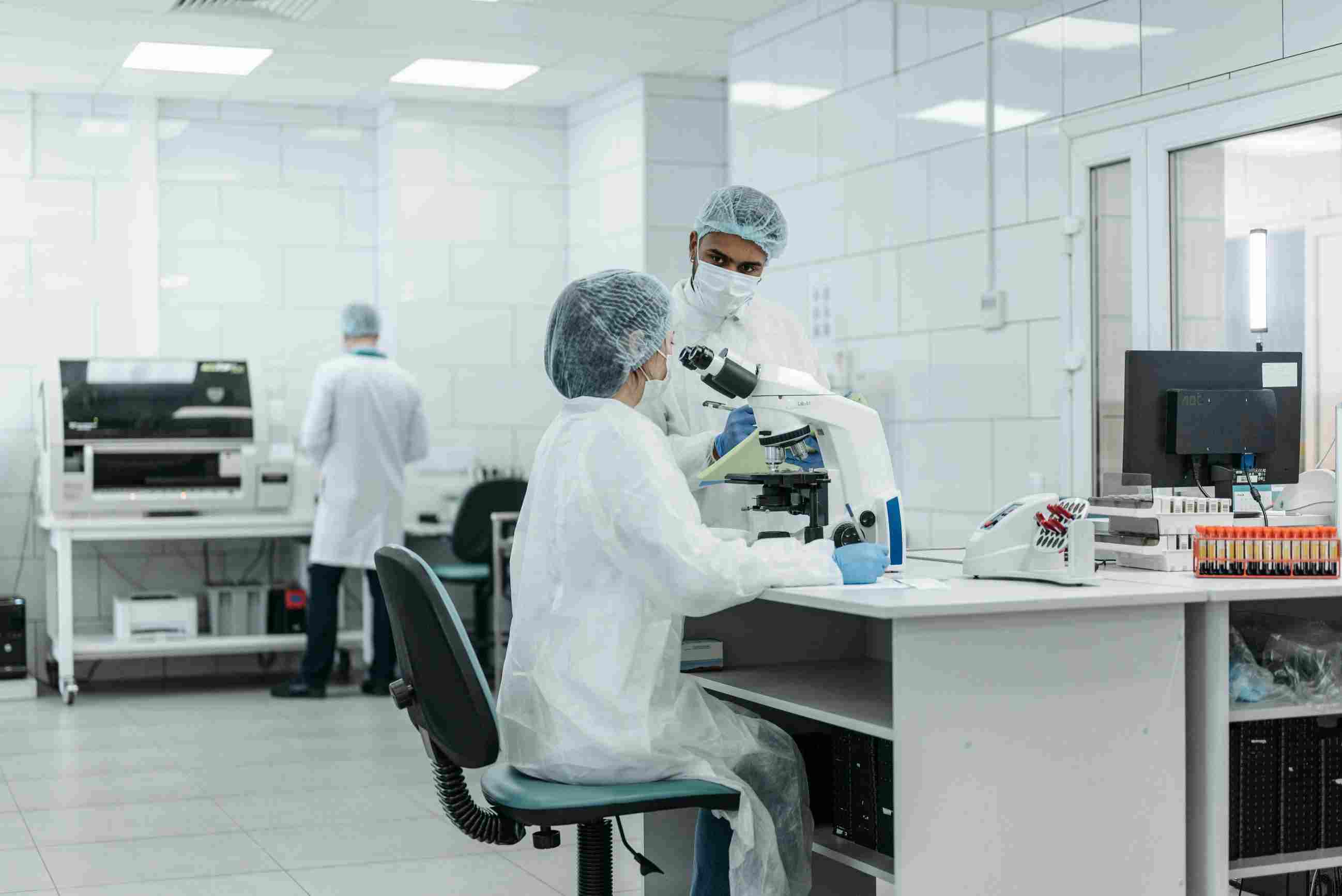
Cell cultures are not interchangeable units: the same named line at different passages, from different freezes, or grown in different media can behave measurably differently. Contamination events, silent mycoplasma infections, and gradual genetic drift all change a culture's behavior without changing its name, which is why the name alone is never sufficient identity.
The batch concept captures what the name cannot: a batch is the population derived from a specific source, maintained under specific conditions, and distinguishable from every other population the lab calls by the same line name. When results diverge between experiments, the batch records show whether the same cells were involved at all, which is the question that must be answered before anything else is blamed.
The Fields a Batch Record Needs
| Field | What it captures | Why it matters |
|---|---|---|
| Batch or lot identifier | The batch's unique ID | Links experiments to one population |
| Cell line and source | Line name, supplier, origin, authentication | Distinguishes what the batch actually is |
| Passage number | Current passage with counting rule | Drift and senescence depend on passage |
| Freeze and thaw records | Banked vial, freeze date, thaw date | Connects working culture to its banked source |
| Media and supplement lots | Media, serum, supplement lot numbers | Lot changes alter cell behavior |
| Health checks | Mycoplasma tests, morphology notes | Flags contamination and drift events |
The passage number field deserves a defined counting rule, because labs differ in when they increment, and two people recording the same culture can disagree by several passages. The rule, typically incrementing at each subculture, is written into the tracking convention so the number means the same thing across the team. Authentication and mycoplasma testing results are attached to the batch rather than floating in separate documents.
Media and Supplement Lots: The Quiet Variable
Media and supplement lots change results in ways that look like biological findings, which is why the lot numbers belong in the record. Serum lots are the classic case: cells that grew well on one serum lot can shift growth or behavior on the next, and an experiment crossing the changeover inherits the difference. Recording media and supplement lots at each culture event makes that shift visible instead of mysterious.
The practical rule is to record lots at every point where they could change, media preparation, feedings, and any supplement additions, and to note when a new lot enters use. When the lab changes lots deliberately, running the new lot alongside the old for a transition period gives the comparison that separates lot effects from real findings, and the transition itself is recorded. The Zettalab workspace links these records to experiment documentation, so a lot change's impact can be traced to the experiments it touched.
Passages, Freezes, and the Thaw Record
Every passage event updates the batch record: the new passage number, the split ratio or seeding density, the date, and the person. The record accumulates into the batch's life history, which is what makes drift visible: a culture at passage 40 has a history the lab can inspect, while a culture with no passage record has only a name and an assumption.
Freezing and thawing are recorded events, not background operations. The banked vial's identifier, freeze date, and freeze medium connect the working culture to its stored source, and the thaw record notes the date and the viability observation at recovery. When a working culture is suspected, the lab returns to the bank and starts a fresh batch, and the records show exactly where the previous batch came from and where it went.
Linking Experiments to Batches
The payoff of tracking is the link: every experiment record references the batch identifier, passage, and media lots in use at the time, so the result carries its biological provenance. The link answers the reproducibility question directly, "which cells, at what passage, in what media produced this data", which is exactly what a reviewer or a future team member needs to know.
The link also makes batch-level investigations possible: when a contamination event or a lot change is discovered, the records identify every experiment that used the affected batch or lot, and the impact is assessed from evidence rather than memory. For teams that want culture records and experiment documentation connected, ZettaNote within the Zettalab workspace supports structured records with cross-references, so each experiment links to the batch and lots that produced it.
FAQ
Do media lot changes really affect cell culture results?
Yes, and serum lots are the most common example: cells can change growth rate or behavior between serum lots, and the change looks like a biological finding if the lots are not recorded. Supplement and media lots vary for the same reason. Recording lot numbers at every culture event makes lot-driven changes visible, and transitioning deliberately with an overlap period lets the lab separate lot effects from real results.
How should I record passage numbers consistently?
Define the counting rule in the tracking convention and apply it identically: most labs increment the passage at each subculture, but the key is that everyone uses the same definition. Record the passage with every passage event, along with the date and split details. Consistency is what makes passage numbers comparable across the team and across time.
What should I record when thawing a frozen vial?
Record the vial identifier and its freeze date, the thaw date, the recovery medium and any supplement lots, and the initial viability or morphology observation. The record connects the working culture to its banked source, so the batch's provenance is complete. If recovery looks poor, that observation belongs in the record too, because it foreshadows how the batch will behave.
How do I recover when a culture batch is contaminated?
Discard the affected cultures, identify every experiment that used the batch through the tracking records, and return to the banked stock to start a fresh batch, re-testing for mycoplasma before experiments resume. The records are what make the recovery systematic: they show which experiments are affected and which banked vials are clean. Without the tracking, the same question is answered by guesswork.
How often should cell cultures be tested for mycoplasma?
Regularly and on a fixed schedule, with the frequency chosen by the lab's risk and workload, and with every new batch tested before experiments depend on it. Many labs test monthly for continuous cultures and at thaw for new batches, but the essential rule is that testing is scheduled and recorded, not ad hoc. A single missed test period is how a silent contamination spreads through every experiment downstream.
What is the difference between a cell line name and a batch identifier?
The line name says what the cells are supposed to be, while the batch identifier says which actual population of them was used, with its source, passage, and history. Two batches of the same named line can behave differently, and the batch identifier is what lets the lab tell them apart. Experiments should always reference both: the line for the biology, the batch for the provenance.
Conclusion
Cell culture batch tracking turns the lab's most changeable asset into a recorded one: batch identity, passage history, media and supplement lots, and freeze-thaw provenance, linked to every experiment the culture supports. The records answer the first question of any reproducibility investigation, which cells were actually involved, and they let the lab act on contamination or lot changes with evidence instead of memory. To connect culture records with experiment documentation, explore Zettalab's ZettaNote ELN.
Related Articles