AI Translation with Human Oversight in Biopharma Submissions
Human-in-the-loop AI translation governance is a regulatory quality management workflow that integrates domain-adapted artificial intelligence translation engines with mandatory expert review by bilingual medical writers, toxicologists, and regulatory affairs specialists. In multinational drug development, deploying AI translation with rigorous human oversight ensures that Investigational New Drug (IND), New Drug Application (NDA), and Biologics License Application (BLA) filings achieve unprecedented translation speed without sacrificing clinical accuracy or regulatory accountability.
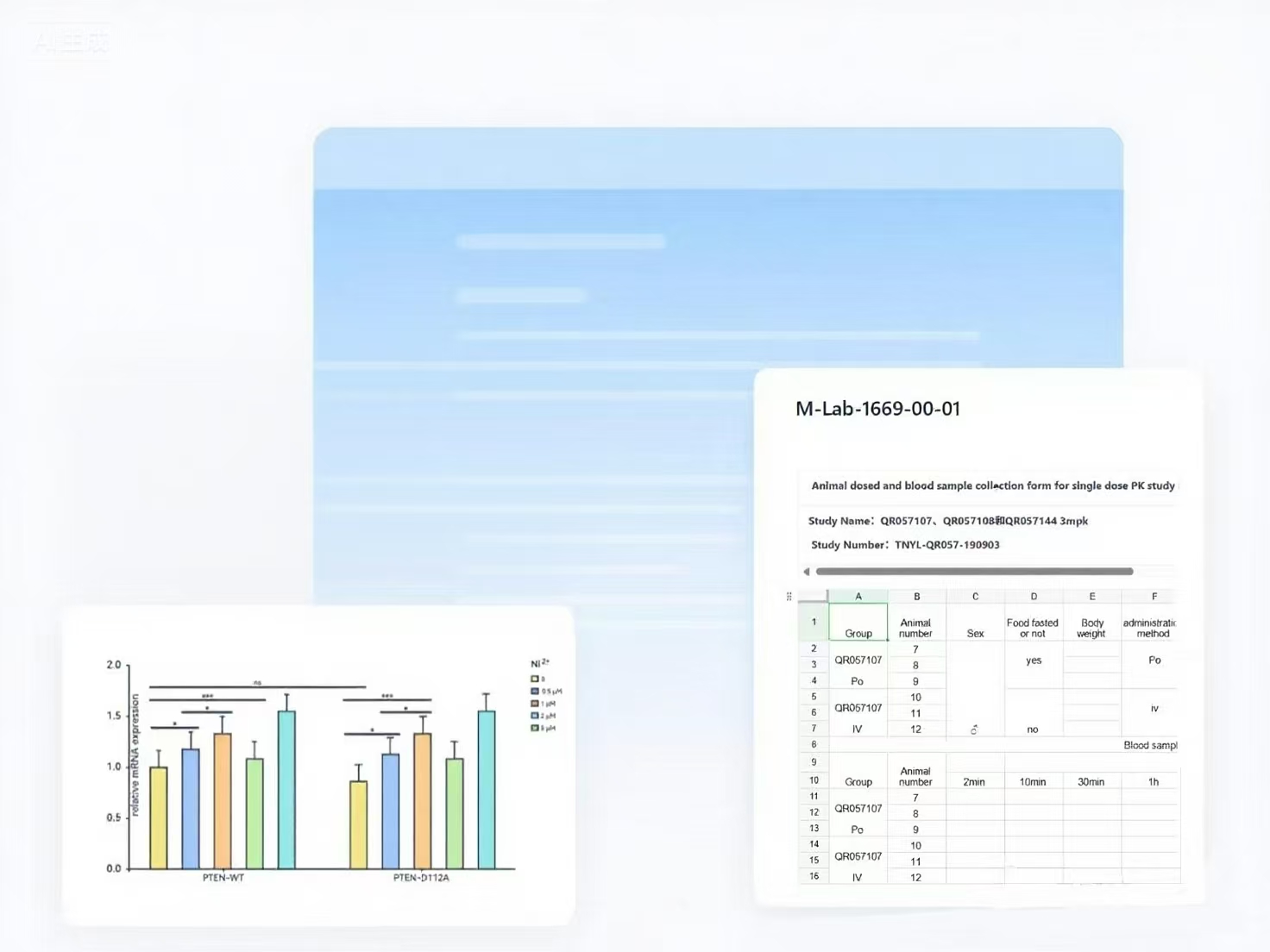
While neural machine translation and large language models can rapidly localize vast volumes of preclinical and clinical documentation, autonomous AI output carries inherent risks of subtle terminology hallucination, dosage unit ambiguity, and context omissions. In regulated pharmaceutical submissions, health authorities (such as the FDA, EMA, and NMPA) mandate full sponsor accountability for submission fidelity. Establishing a structured human oversight protocol is the essential bridge between AI efficiency and regulatory compliance.
The Regulatory Imperative: Why Autonomous AI Cannot Replace Human Review
Biopharmaceutical regulatory documentation operates under strict legal and scientific standards that mandate expert human oversight across four primary domains:
1. Clinical Safety and Dosage Ambiguity: A single mistranslated prefix, misplaced decimal point, or altered dosing frequency (e.g., mistranslating "q.d." [once daily] as "q.i.d." [four times daily]) can result in catastrophic clinical trial protocol deviations or patient safety hazards during multi-regional clinical trials.
2. MedDRA and Controlled Terminology Adherence: Regulatory bodies require strict adherence to standardized medical dictionaries, including MedDRA for adverse events and EDQM for pharmaceutical dose forms. Generic AI engines often substitute colloquial synonyms that violate standardized coding hierarchies, triggering formal Information Requests (IRs) from regulatory reviewers.
3. Complex eCTD Document Structure and Chemical Typography: Chemistry, Manufacturing, and Controls (CMC) sections contain intricate analytical tables, structural formulas, and chemical reaction pathways. Automated translation can shift table cell alignments or corrupt chemical subscript notation if not verified by a human specialist.
4. Legal and Regulatory Accountability: Under Good Clinical Practice (GCP) and Good Laboratory Practice (GLP), regulatory authorities do not recognize software algorithms as legally accountable entities. Sponsoring biopharma organizations must certify that human subject matter experts verified all submitted documentation.
Human-in-the-Loop Workflow Architecture
The table below summarizes the operational stages, technological roles, and human validation checkpoints in a compliant biopharma translation workflow:
| Workflow Stage | AI Engine Automated Task | Human Expert Responsibility | Quality & Compliance Milestone |
|---|---|---|---|
| Stage 1: Pre-Processing & Glossary Locking | Segments source document; parses XML/eCTD tags; matches verified Translation Memory (TM) | Reviews and locks study-specific terminology glossaries and MedDRA preferred terms | Master Termbase established; zero unapproved synonyms permitted |
| Stage 2: Domain-Specific AI Draft Generation | Translates newly drafted segments using life-sciences-trained neural translation models | Monitors initial segment parsing and verifies formatting integrity across CMC tables | Raw bilingual draft generated within hours rather than weeks |
| Stage 3: Post-Editing & Clinical Verification | Highlights low-confidence segments, numerical values, and fuzzy match discrepancies | Bilingual medical writers verify clinical nuances, pharmacological context, and units | 100% human-verified text; clinical and toxicological fidelity confirmed |
| Stage 4: Regulatory Approval & Memory Commit | Exports native eCTD document format; commits newly verified segments to master TM database | Regulatory Affairs Director executes final sign-off and authorizes submission packaging | Audit-ready regulatory dossier delivered; institutional TM updated for future filings |
Key Responsibilities of the Human Reviewer
To maximize review efficiency, human post-editors in biopharma workflows focus on three high-leverage verification tasks:
1. Numerical and Dosage Unit Reconciliation: Post-editors conduct a dedicated numerical audit, ensuring that drug substance concentrations (mg/mL), animal body weight dosages (mg/kg), chromatographic purity percentages, and statistical confidence intervals (p-values) align identically with source data tables.
2. Contextual Terminology Disambiguation: English scientific terms often have multiple translations depending on biological context (e.g., the word "expression" translates differently when referring to gene transcription versus clinical symptom expression). Human reviewers ensure the correct domain-specific Chinese or target term is applied.
3. Preserving Stylistic and Regulatory Tone: Health authority dossiers require concise, objective, and standardized regulatory phrasing that avoids marketing exaggeration or ambiguous speculative language.
Enterprise AI Translation Workspaces
Managing regulatory translation through disconnected email exchanges and unsecured consumer portals introduces severe intellectual property leakage risks and version control failures.
Within Zettalab, the AI Translation Agent provides a secure, enterprise-grade translation environment engineered specifically for biopharmaceutical regulatory dossiers. The platform combines verified translation memory, automated MedDRA glossary enforcement, and structured side-by-side post-editing interfaces with secure document storage in ZettaFile, ensuring that global regulatory submissions maintain full compliance, data security, and audit readiness.
FAQ
How does human-in-the-loop AI translation compare to traditional agency translation in speed and cost?
Traditional manual translation agencies typically translate 2,000 words per day per linguist, taking weeks or months to localize a multi-module regulatory dossier. A human-in-the-loop AI workflow provides instant initial translation, allowing human medical writers to focus exclusively on post-editing and verification, accelerating project delivery by up to 60% while reducing per-word translation costs.
What qualifications should a biopharma translation reviewer possess?
Reviewers should hold advanced degrees in pharmacology, toxicology, medicine, or molecular biology, possess native-level bilingual fluency in the source and target languages, and have documented experience with international regulatory submission guidelines (ICH eCTD standards).
How does the system ensure that corrected terminology is remembered for future submissions?
When a human reviewer corrects a translated sentence during post-editing, the validated segment automatically commits to the institutional Translation Memory (TM) database. During subsequent dossier updates or amendments, the engine retrieves the approved translation as a 100% exact match.
Are proprietary drug molecules and clinical trial data kept confidential during AI translation?
Enterprise life sciences translation platforms implement strict data isolation policies, end-to-end encryption (TLS 1.3 and AES-256), and dedicated tenant architectures. Customer data is processed in isolated memory environments and is never logged, stored, or reused to train public commercial AI models.
Conclusion
Combining domain-specific AI translation with rigorous human expert oversight is the gold standard for global biopharmaceutical regulatory submissions. By leveraging automated translation speed alongside clinical expert verification, life sciences organizations eliminate compliance risks and accelerate life-saving drug approvals worldwide. Learn how Zettalab unifies regulatory AI translation and secure document management in an enterprise cloud workspace.
Related Articles