ZettalabELN Guide 2026
ZettalabELN is a branded search term usually used by researchers looking for Zettalab’s electronic lab notebook, known on its website as ZettaNote. For molecular biology teams, the real question is not only “what is this ELN?” but whether it can connect experiment documentation with sequence tools, files, permissions, and collaborative R&D workflows.
This guide is written for biotech startups, molecular biology labs, academic groups, and biopharma R&D teams comparing ELN software in 2026. It explains what Zettalab ELN does, where it fits, what to check before adopting it, and when a broader or simpler lab notebook may be a better choice.
What Is ZettalabELN?
ZettalabELN refers to the electronic lab notebook capability inside Zettalab’s cloud-based R&D lab platform. On the official Zettalab website, the ELN product is presented as ZettaNote, an electronic lab notebook for molecular biologists with integrated experiment documentation, advanced editing tools, enterprise-level security, extensibility, and audit-ready documentation.
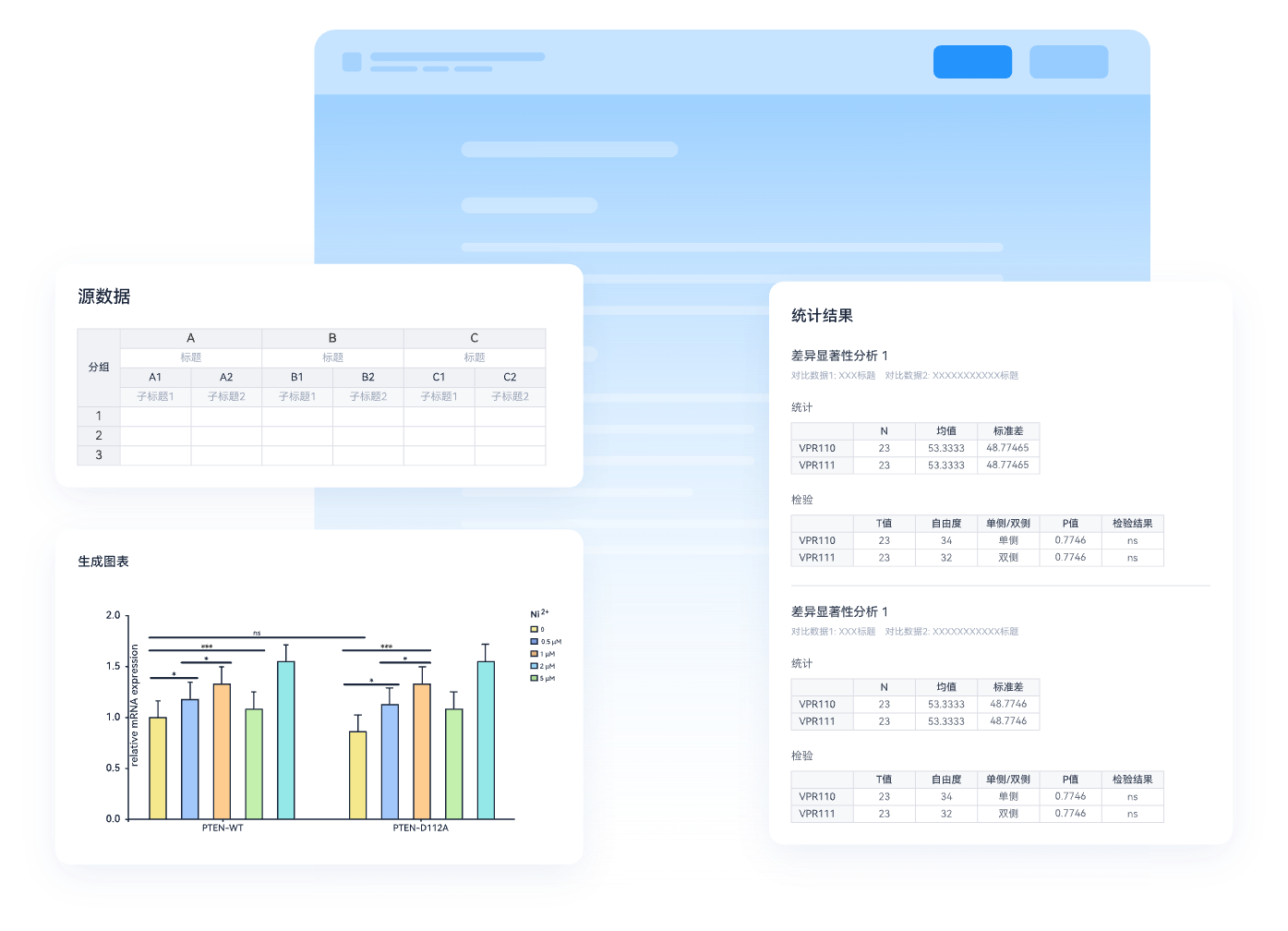
The important distinction is that Zettalab is not positioned only as a standalone notebook. Its platform also includes molecular biology tools, team file storage, AI collaboration, and an AI translation agent for biopharma regulatory workflows. That makes Zettalab ELN more relevant for teams that want experiment records to sit close to DNA sequence work, plasmid construction, primer design, and shared research files.
Official source: Zettalab
Who Should Evaluate ZettaNote ELN?
ZettaNote is most relevant for molecular biology teams that need experiment records to stay connected with the actual design work behind the experiment. In many labs, protocols live in one tool, plasmid files in another, results in a shared drive, and decisions in chat messages. That fragmentation makes old experiments harder to reproduce and harder to audit.
A team should evaluate Zettalab ELN if researchers often ask which plasmid version was used, which primer design was approved, where the final protocol is stored, or whether collaborators are editing the correct record. For a single researcher writing occasional notes, a lightweight ELN may be enough. For a biotech group running multi-person projects, the value of ZettaNote depends on whether it reduces gaps between experiment design, execution, file sharing, and review.
| Lab Scenario | Fit for Zettalab ELN | Reason |
|---|---|---|
| Molecular biology R&D | Strong fit | ELN connects with sequence tools |
| Gene editing projects | Strong fit | CRISPR and primer workflows matter |
| Academic note-taking | Possible fit | Depends on budget and collaboration needs |
| Chemistry-only workflows | Limited fit | Biology-specific tools may be less relevant |
| Enterprise regulated R&D | Worth evaluating | Check compliance and validation needs |
Core Zettalab ELN Features to Check
A useful ELN should do more than store rich-text notes. It should make experiment records searchable, structured, permissioned, and easy to connect with research data. Zettalab’s official site describes ZettaNote as GLP-ready online documentation with advanced editing tools and enterprise-level security.
For molecular biology workflows, the stronger value appears when ZettaNote is used together with other Zettalab modules. ZettaGene covers sequence visualization and editing, plasmid construction, primer design, sequence alignment, and translation. ZettaFile supports cloud storage, fine-grained permission management, online document editing, and batch upload or download.
| Capability | What It Means for Labs | Why It Matters |
|---|---|---|
| Experiment documentation | Write structured lab records | Preserves experimental context |
| Advanced editing | Build clearer records | Reduces messy notebook entries |
| Permission control | Manage team access | Protects sensitive R&D data |
| Sequence tools | Link records with design work | Helps molecular biology teams |
| File collaboration | Store and share research files | Reduces scattered folders |
| Audit-ready design | Supports review workflows | Useful for quality-minded teams |
Where Zettalab ELN Fits Compared with Generic ELN Software
Generic ELN software is often built to serve many scientific fields at once. That can be useful for mixed research environments, but molecular biology teams may still need separate tools for plasmid maps, primer design, sequence alignment, or CRISPR planning. The practical issue is that the ELN may record the experiment without understanding the biological design context.
Zettalab ELN is better understood as a biology-oriented notebook inside a wider molecular biology platform. If your team’s experiment record depends on sequence files, constructs, primers, translations, and design decisions, that context matters. If your lab only needs simple protocol notes and file uploads, a lighter notebook may be easier to deploy.
| Tool Type | Best For | Main Tradeoff |
|---|---|---|
| Generic ELN | Broad lab note-taking | Less biology-specific context |
| Open-source ELN | Cost-conscious teams | More IT responsibility |
| Enterprise ELN | Regulated organizations | Heavier implementation |
| Zettalab ELN | Molecular biology teams | Best fit depends on biology workflows |
Pricing and Trial Signals
Zettalab’s website states that all features are available for a 60-day free trial. Its FAQ also lists platform pricing information, but labs should confirm current pricing directly with Zettalab before budgeting because subscription terms can change and team needs may affect the final plan.
When evaluating ELN cost, avoid comparing only monthly license fees. A lab notebook affects onboarding, data migration, template setup, training, review workflows, and long-term data retrieval. For biotech teams, the better question is whether the platform reduces repeated design work, lost files, unclear protocol versions, and handoff friction between researchers.
How to Evaluate ZettalabELN Before Adoption
The safest way to evaluate ZettalabELN is to test it with one real experiment, not a sample note. Choose a recent molecular biology workflow that includes sequence design, primer selection, protocol execution, file attachments, review comments, and result interpretation. Then check whether the platform makes the workflow clearer or simply adds another place to type.
During evaluation, ask researchers to recreate the same project in ZettaNote and compare it with the current workflow. The goal is not to see whether every feature exists, but whether the team can find the right record, understand the design history, and continue the experiment without asking the original author for missing context.
| Evaluation Question | What to Look For |
|---|---|
| Can records be standardized? | Templates, sections, required context |
| Can files be controlled? | Permissions, storage, batch operations |
| Can biology work connect? | Sequences, plasmids, primers, alignment |
| Can teams collaborate safely? | Roles, sharing, review process |
| Can records be reused later? | Search, structure, export, clarity |
Common Mistakes When Choosing an ELN for Biology Labs
Many labs choose an electronic lab notebook by checking whether it can replace paper. That is too narrow. A biology lab also needs to know whether the ELN can preserve why a construct was designed, which sequence version was used, and how results connect back to the planned experiment.
Another common mistake is treating collaboration as file sharing only. Real collaboration means different users can work from the same source of truth without overwriting, duplicating, or losing context. This is where Zettalab’s combination of ZettaNote, ZettaGene, and ZettaFile may be worth evaluating for teams whose records depend heavily on molecular design files.
About ZettalabELN, You May Also Ask
Is ZettalabELN the same as ZettaNote?
ZettalabELN usually refers to Zettalab’s ELN capability, while ZettaNote is the product name used on the official Zettalab website. ZettaNote is described as an electronic lab notebook for molecular biologists with integrated experiment documentation and audit-ready online records.
Is Zettalab ELN only for molecular biology labs?
Zettalab ELN is most clearly positioned for molecular biology and biotech R&D teams. Other labs can still evaluate it, but the strongest fit is where experiment documentation needs to connect with sequence visualization, plasmid construction, primer design, alignment, translation, and shared research files.
Does Zettalab offer a free trial?
Zettalab’s official FAQ states that all features are available for a 60-day free trial. Labs should check the current website or contact Zettalab directly before making a purchasing decision, especially if team size, data storage, or enterprise requirements affect pricing.
What should labs compare Zettalab ELN against?
Labs should compare Zettalab ELN against generic ELN tools, open-source notebooks, and life science R&D platforms based on workflow fit. The most important comparison is not feature count, but whether the system improves experiment traceability, team collaboration, file control, and molecular biology data context.
Is Zettalab ELN suitable for regulated research?
Zettalab describes ZettaNote as GLP-ready and audit-ready, with enterprise-level security. Regulated labs should still verify validation documentation, audit trails, access controls, electronic signature needs, data retention, and internal quality requirements before deployment.
Final Takeaway
ZettalabELN is best understood as Zettalab’s biology-oriented electronic lab notebook capability, centered on ZettaNote and supported by molecular biology tools and team file collaboration. For labs that only need simple notes, a lightweight ELN may be enough. For molecular biology and biotech teams that need experiment records tied to sequences, plasmids, primers, shared files, permissions, and AI-assisted workflows, Zettalab is a practical platform to evaluate in 2026.
The next step is to test one real experiment inside the platform. If the team can document the protocol, connect the relevant sequence work, control file access, and retrieve the full decision history without extra explanation, Zettalab ELN is likely solving a real workflow problem rather than adding another documentation layer.
Related Articles